


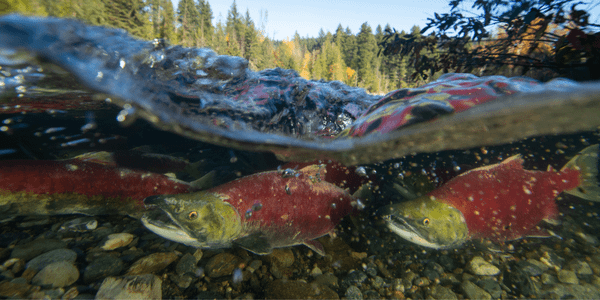
Wild Salmon Migration Monitoring
The project monitors wild salmon migration to ensure the number passing through meets state regulations, addressing threats from human activities like fisheries and dams.
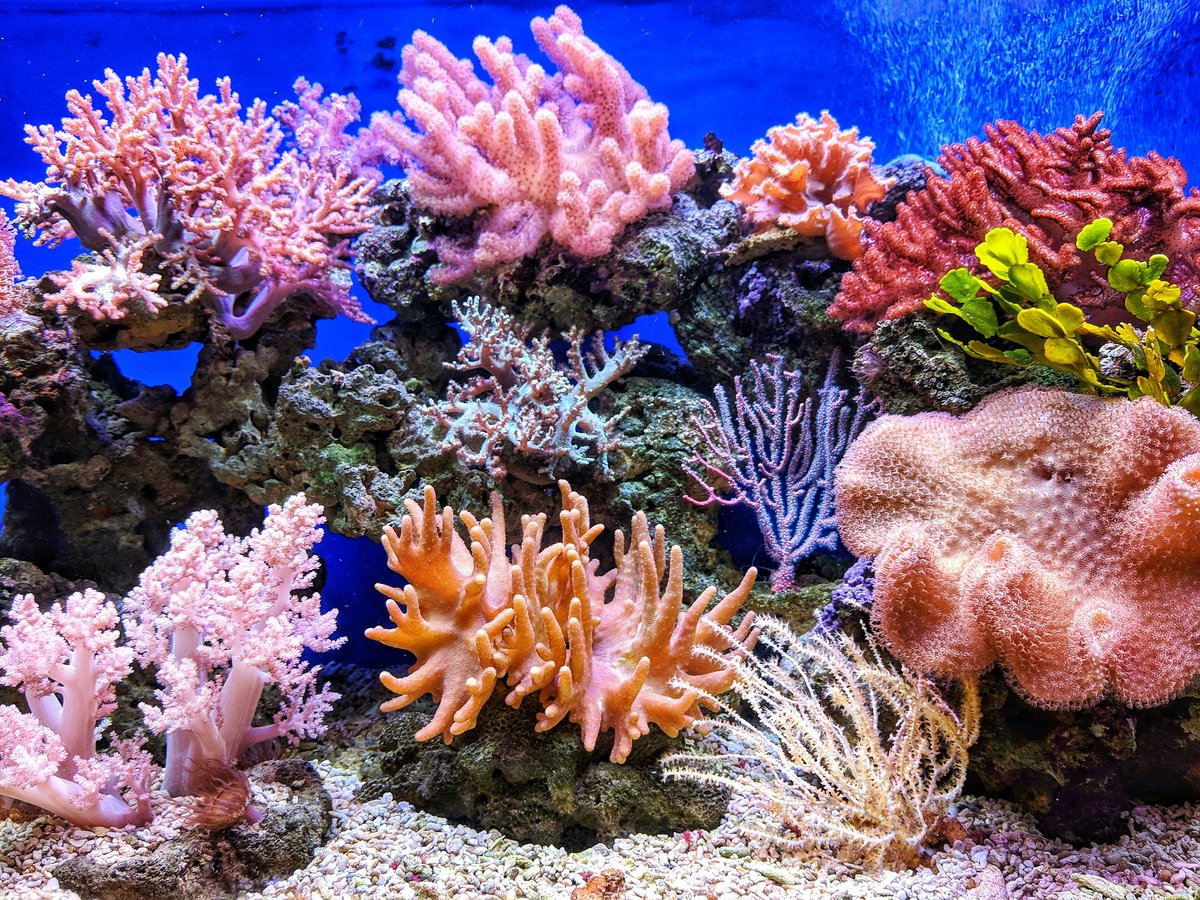

Mapping hard and soft coral in underwater imagery to track reef health over time.
Coral reefs are among the richest ecosystems on Earth, and among the most threatened. Marine biologists track their health by photographing the seabed on research dives, but turning thousands of those images into numbers is slow, painstaking work, and the reporting lag blunts conservation’s ability to respond in time.
Together with ReefSupport, we built a computer-vision pipeline that maps coral in benthic imagery, outlining and classifying each colony automatically, so researchers can measure how coral cover is growing or declining across a protected area, far faster than by hand.
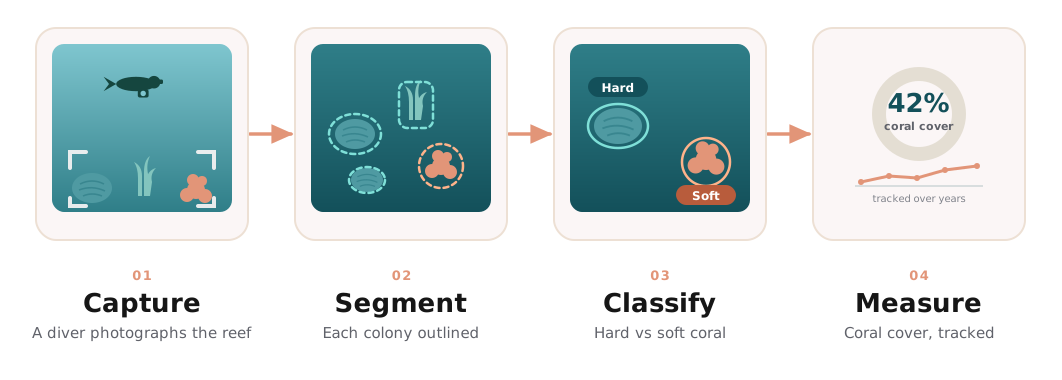 A diver photographs the reef; the model outlines and classifies every coral
colony, and the result becomes a coral-cover figure that can be tracked over
time.
A diver photographs the reef; the model outlines and classifies every coral
colony, and the result becomes a coral-cover figure that can be tracked over
time.
Our tools tap on AI and computer vision for increasing the capabilities of coral reef and marine monitoring in examining benthic/seabed features.
– ReefSupport
Reefs cover a sliver of the ocean yet underpin a huge share of marine life, and the livelihoods of millions of people.
Less than 1% of the seafloor, yet home to around 25% of all marine species: habitat, nursery and shelter for countless fish and invertebrates.
Reefs sustain the fisheries and tourism that millions rely on, and act as natural breakwaters that shield coastlines from storms and erosion.
They help cycle carbon, yield compounds with real medical promise, and hold deep cultural meaning for coastal and Indigenous communities.
Coral reefs are squeezed by many forces at once, most of them driven directly or indirectly by people. Tap each to learn more.
Rising sea temperatures make corals expel their algae and bleach, turning white, weakening, and falling prey to disease. Acidification weakens their skeletons too.
Runoff, sewage and debris smother corals and feed the algae that compete with them for light and space.
Removing grazing fish lets algae overgrow corals, and destructive methods like blast and cyanide fishing damage reefs directly.
Dredging, construction and land clearing bury reefs in sediment and nutrient-laden runoff.
Anchoring, trampling, over-visiting fragile sites and harvesting for souvenirs wear reefs down.
Non-native species outcompete or prey on reef life and reshape the habitat.
Limited awareness and patchy enforcement let reef degradation continue unchecked.
The system is built around instance segmentation: rather than just labelling a photo, it finds each individual coral colony, traces its exact outline, and classifies it. We started with the key distinction of hard versus soft coral, with the framework designed to grow into finer functional groups and to adapt to reefs anywhere in the world.
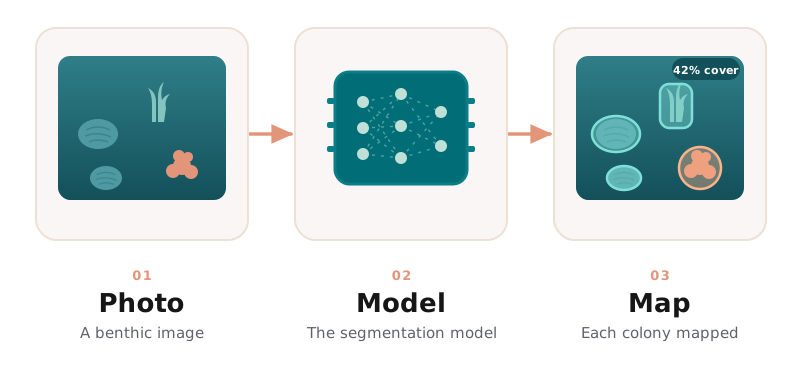 Instance segmentation traces the exact outline of each colony (hard coral in
teal, soft coral in orange) rather than just drawing boxes.
Instance segmentation traces the exact outline of each colony (hard coral in
teal, soft coral in orange) rather than just drawing boxes.
The models are open source and come in a range of sizes that trade speed against accuracy, so a survey team can pick the right balance for their hardware and their reef.
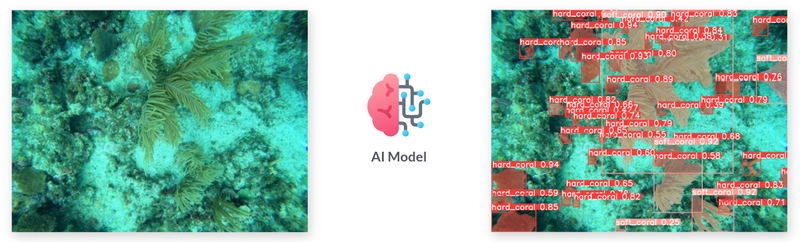
Reading a reef from a photo is far harder than it looks: water itself works against the camera.
Water absorbs and bends light, so underwater images lose contrast and colour and grow hazier the further away the subject is.
Caustics, backscatter and drifting particles add artifacts, and busy reef backgrounds blur the line between a coral and its surroundings.
Conditions shift constantly and gear isn't standardised, while well-labelled underwater datasets are rare, which makes models hard to train and to generalise.
Models are trained on reef imagery from around the world to cope with this variety:
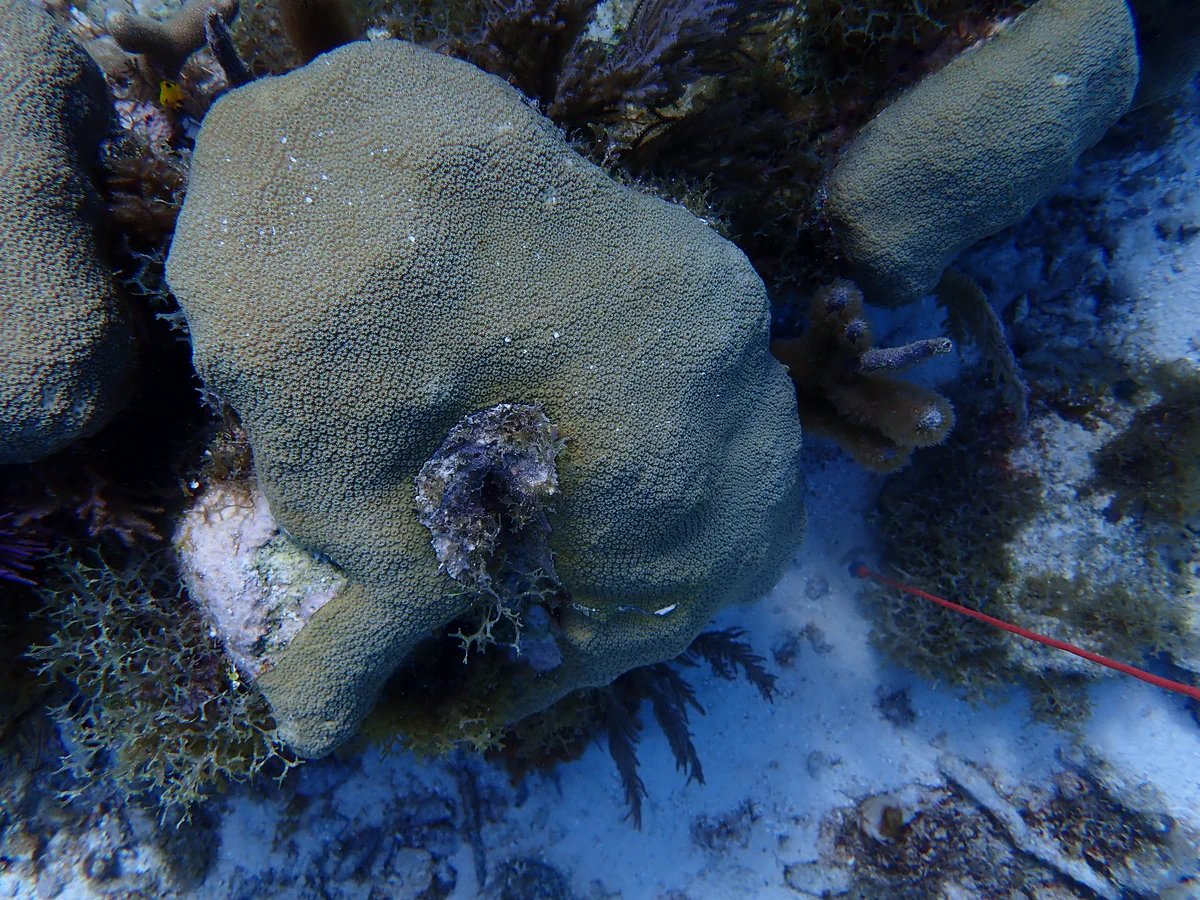
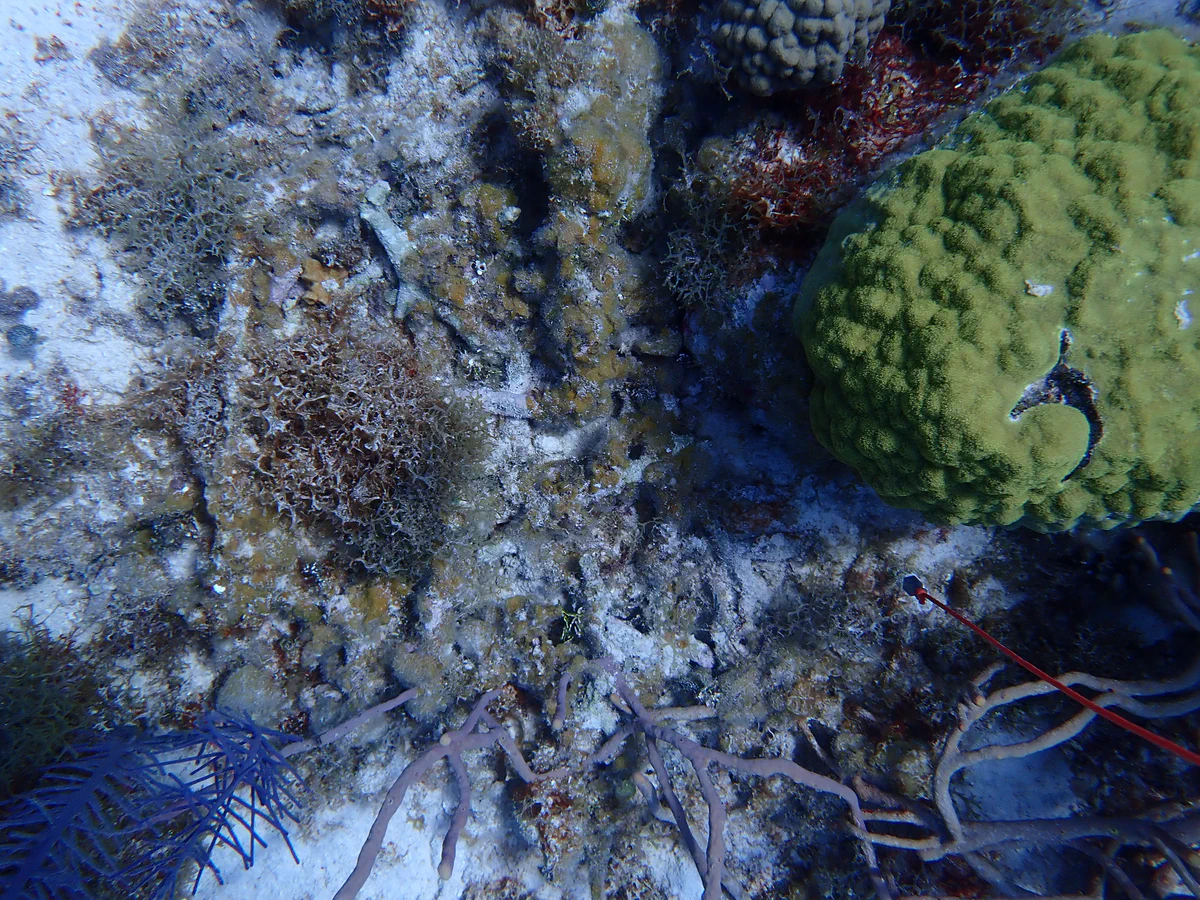
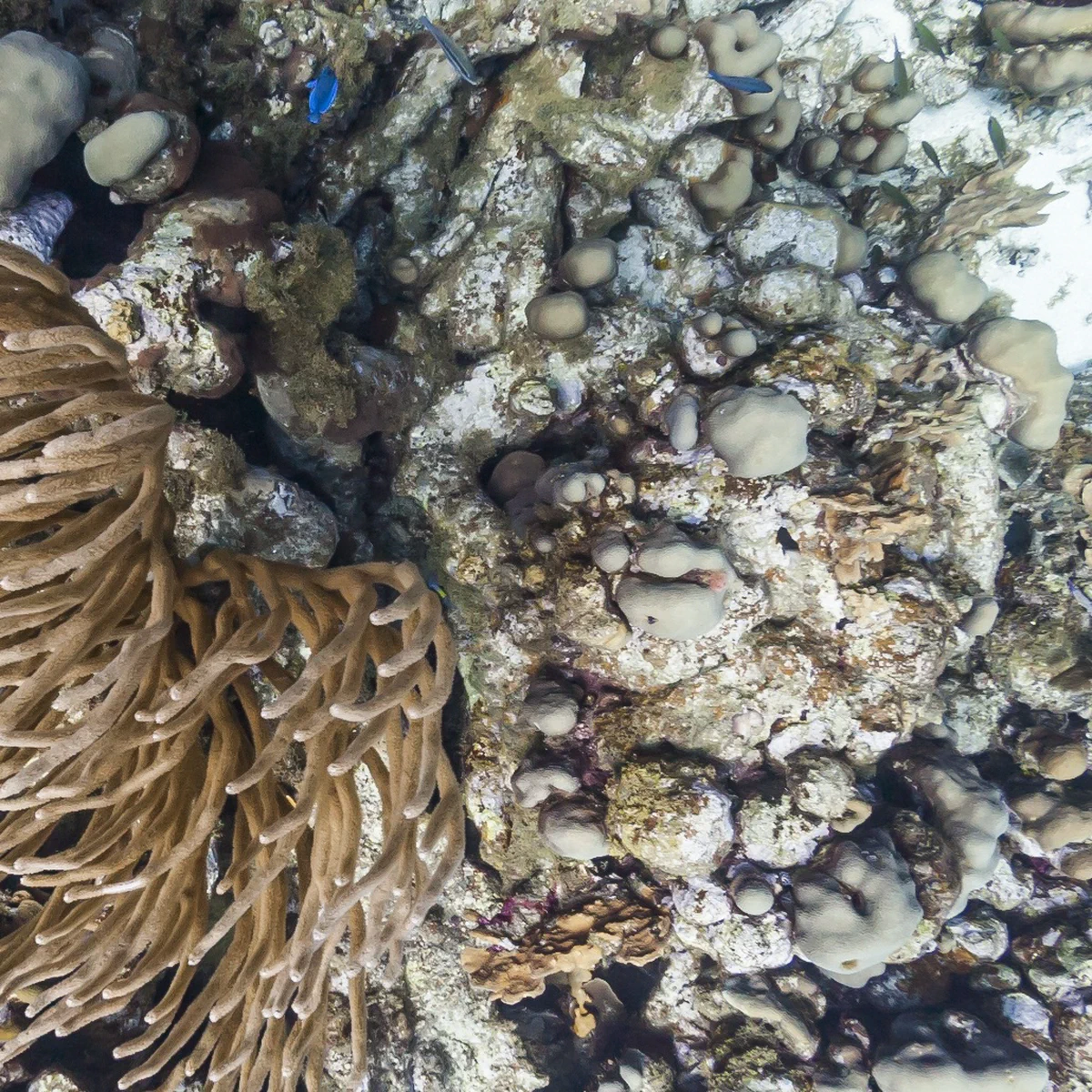
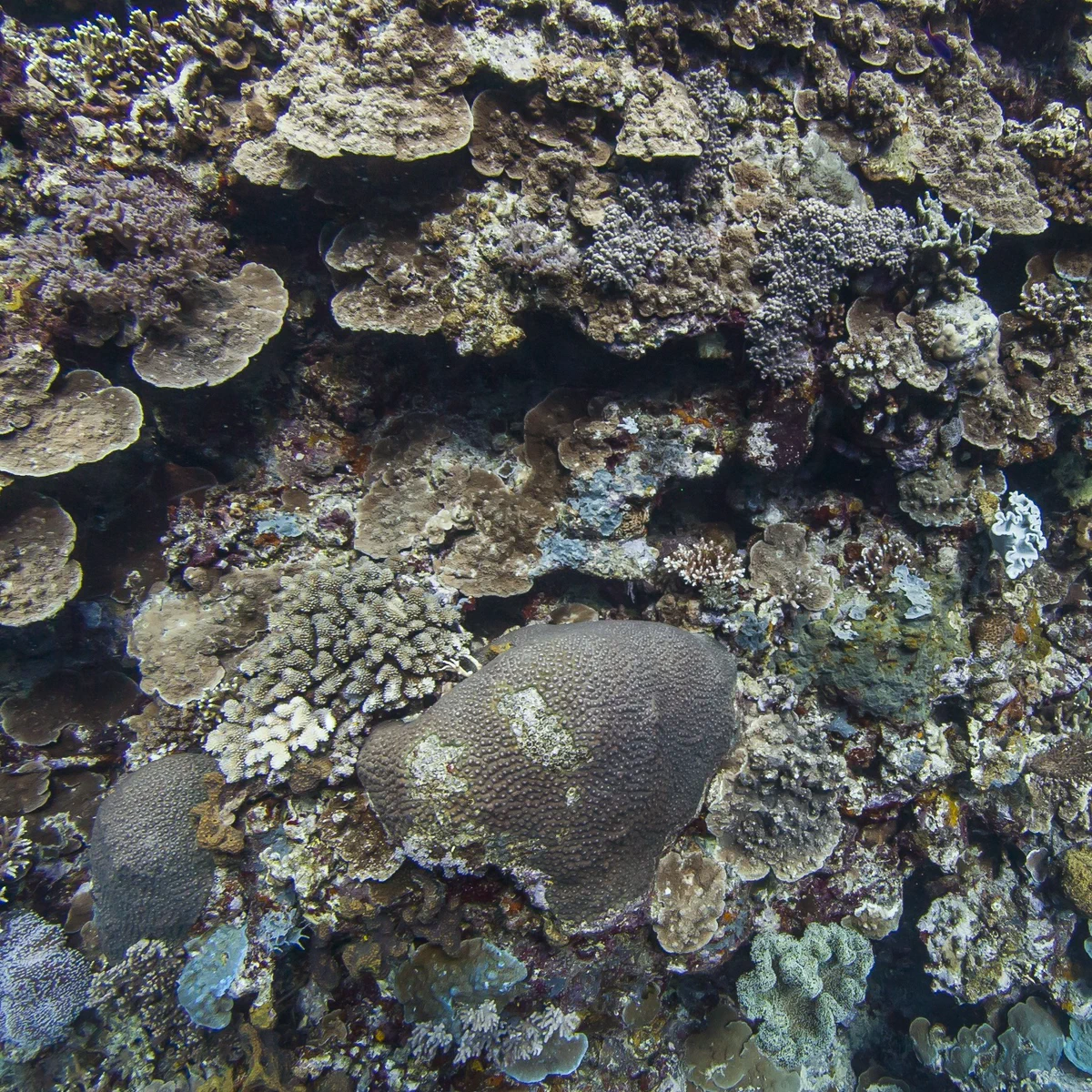
Coral reefs photographed in different regions across the world.
Automated benthic analysis turns a reporting bottleneck into fast, repeatable measurement, quantifying the long-term growth or decline of coral cover and giving reef managers the timely picture they need to act.
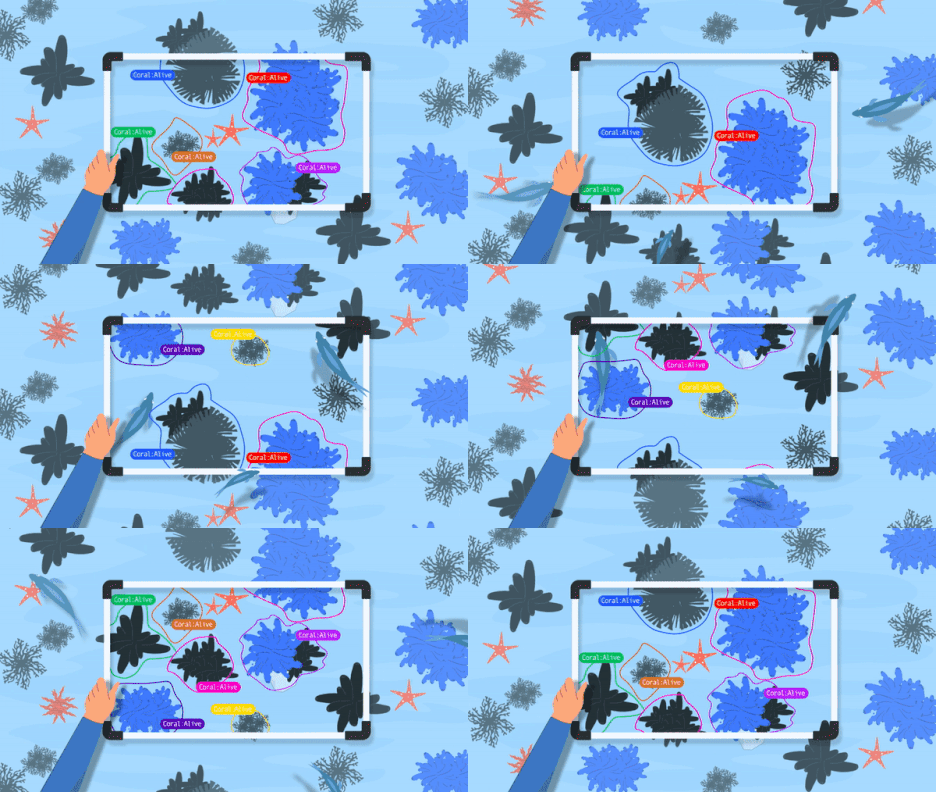 The benthic imagery analysis system in action, courtesy of ReefSupport.
See the model in action right in your browser. Try it on the built-in examples or your own data. No install, no setup.
Open the demoWe build conservation technology with partners in the field. Tell us what you're monitoring and we'll tell you what's possible.

The project monitors wild salmon migration to ensure the number passing through meets state regulations, addressing threats from human activities like fisheries and dams.
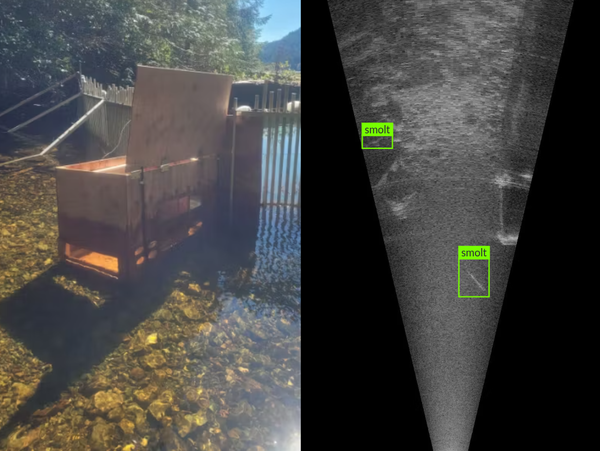
An innovative use of sonar imagery to monitor and analyze the migration patterns of smolt salmon as they journey from freshwater to the ocean
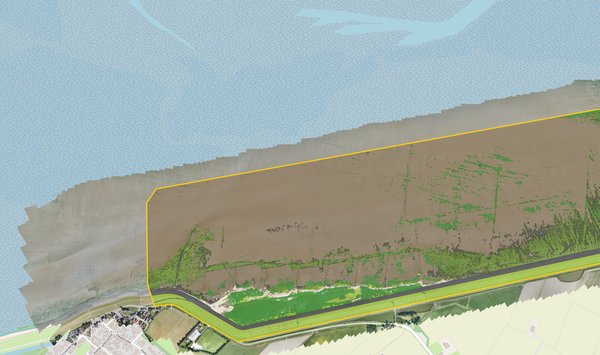
Drone-based monitoring of coastal erosion, sedimentation and land cover change on the Wadden Sea coast, served through an interactive web portal.
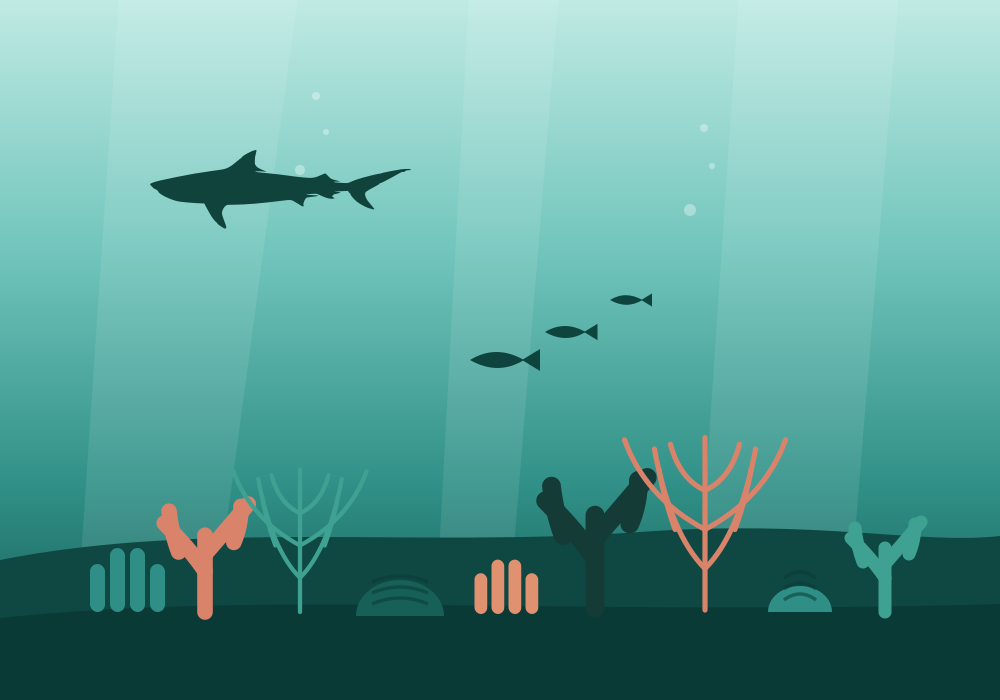
Detecting and identifying coral species in benthic imagery to track reef health over time.
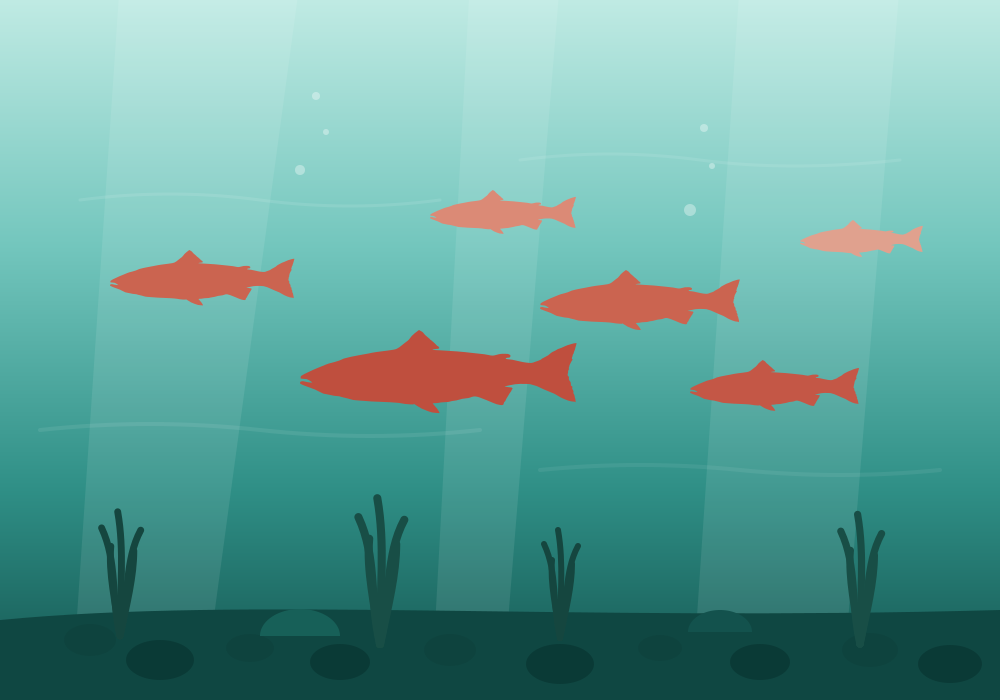
Classifying and counting wild salmon from underwater camera streams as they migrate back to spawn.
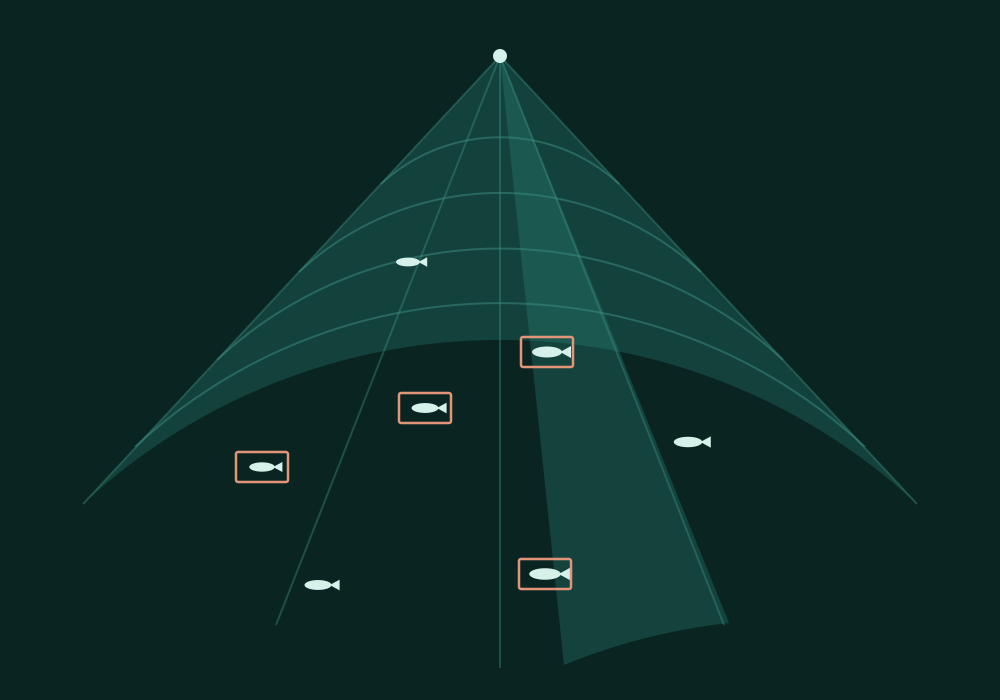
Detecting, tracking and counting juvenile salmon in ARIS sonar as they migrate downstream.
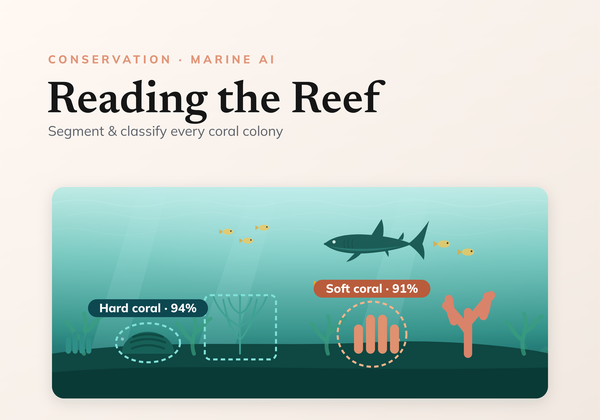
Learn how to successfully train a computer vision model to accurately analyse underwater benthic imagery.
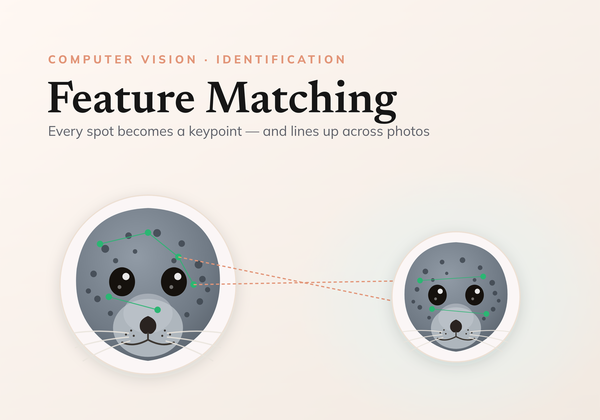
A comprehensive examination of using local feature matching for individual identification.
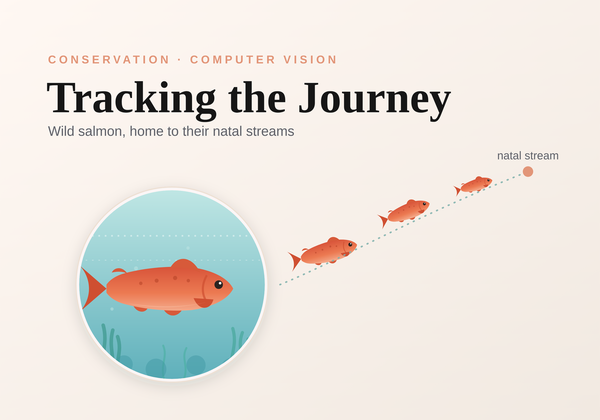
An in-depth look at the systems developed and deployed to track the journey of wild salmon as they return to their natal streams.