

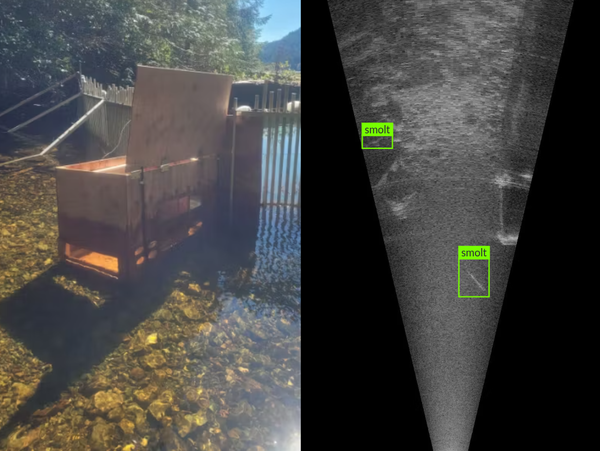
Monitoring Smolt Salmon Migration with Sonar
An innovative use of sonar imagery to monitor and analyze the migration patterns of smolt salmon as they journey from freshwater to the ocean




Automated, multi-sensor counting that keeps Pacific salmon runs within regulation.
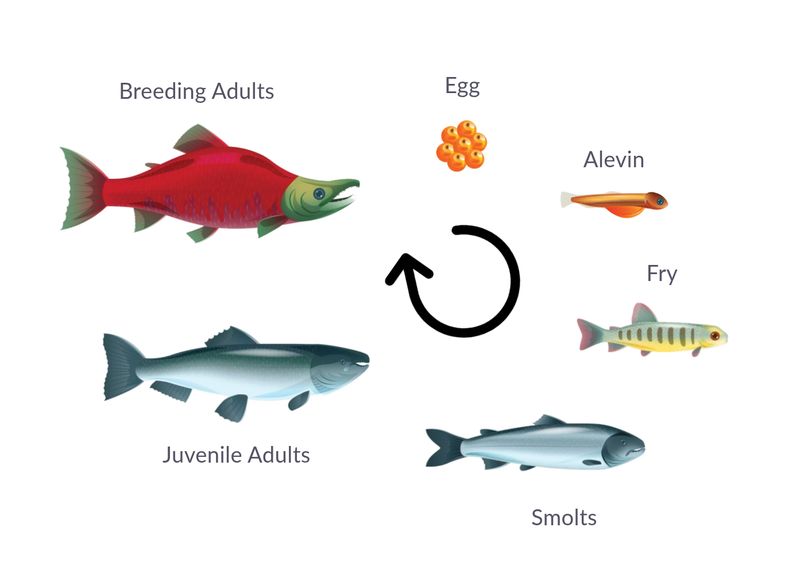
Pacific salmon are born in freshwater, migrate out to the ocean, and then fight their way back, often hundreds of miles, to spawn in the very stream where they hatched. After spawning they die, and their bodies feed the river that raised them. That return is the heartbeat of British Columbia’s watersheds: it feeds bears, eagles and orcas, carries ocean nutrients far inland, and anchors the culture and economy of the communities along the water.
Knowing how many fish actually make it back is the single most important number in salmon management: escapement targets exist to guarantee enough survive to spawn. But counting them by hand, river by river, season after season, simply does not scale. Together with the Pacific Salmon Foundation, the Wild Salmon Center, Lumax AI and Simon Fraser University, we built SalmonVision, a multi-sensor system that counts and identifies migrating salmon automatically, around the clock.
We must take every step in our control now as climate-change related trends will make things more difficult for salmon populations in the years ahead. This demands urgency for Pacific salmon and for the 130+ species, including grizzlies, orcas and eagles, that depend on Pacific salmon.
– Pacific Salmon Foundation
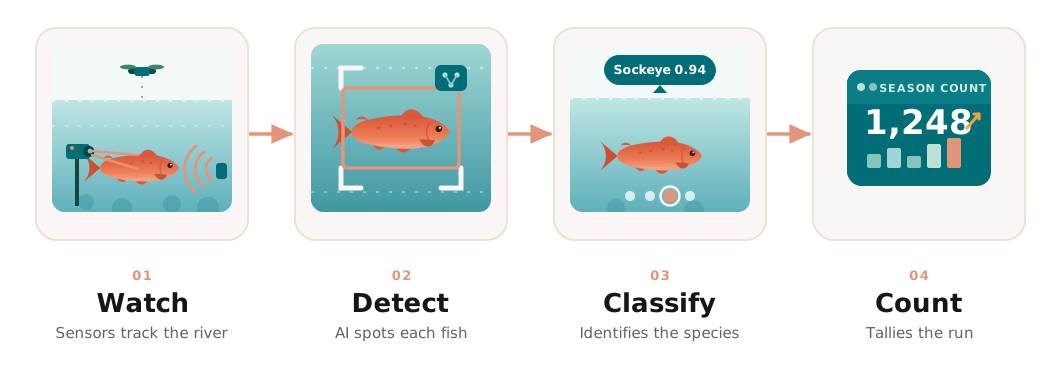 Sensors watch the river, a computer-vision model detects and identifies each
fish, and individuals are tallied into a count managers can act on.
Sensors watch the river, a computer-vision model detects and identifies each
fish, and individuals are tallied into a count managers can act on.
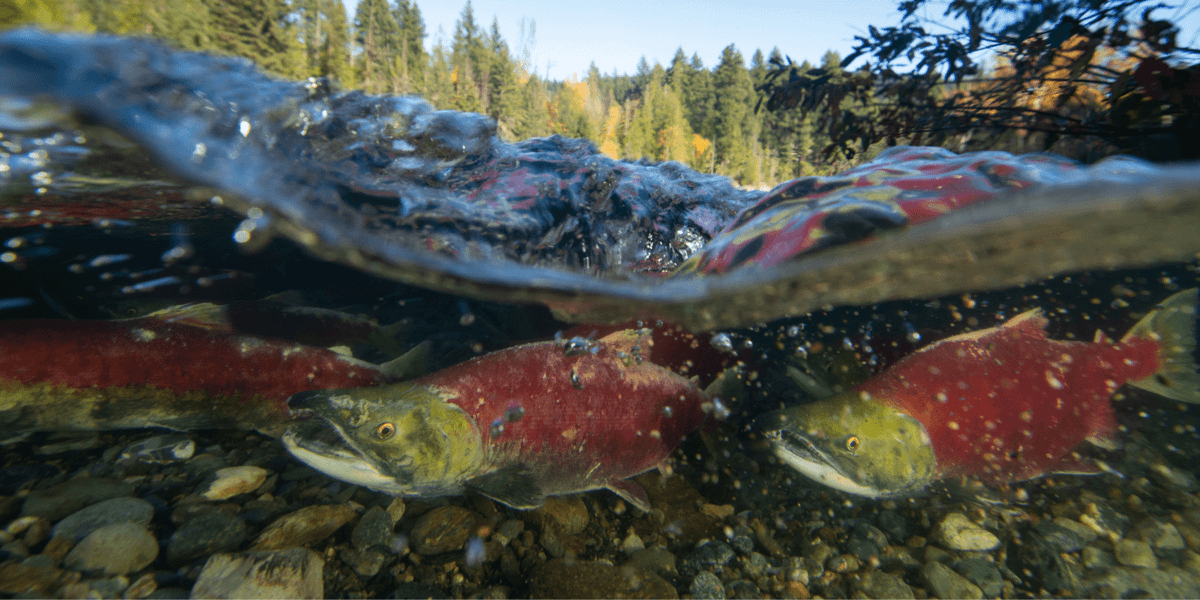
Wild salmon holding in the current, filmed by an underwater monitoring camera.
Salmon are a keystone species: pull them out of the picture and the whole web around the river begins to fray.
Returning salmon carry marine nutrients far inland. As their bodies decompose, nitrogen and phosphorus feed the streams, the surrounding forests, and the bears, eagles and wolves that depend on the run.
For many First Nations across British Columbia, salmon are central to food security, heritage and spiritual life. The health of the run and the health of the community are inseparable.
Healthy salmon populations underpin the region's biodiversity and sustain fisheries, tourism and local livelihoods, which is exactly why well-managed, sustainable runs matter.
Wild salmon in BC and around the world are squeezed from every side. Habitat is lost to development and logging; dams and culverts block migration routes; unsustainable fishing thins the run; pollution degrades the water; and a warming climate raises river temperatures and scrambles the timing of the migration. Each pressure compounds the others, and you cannot manage what you cannot measure. That is why an accurate, continuous count is the foundation beneath every other conservation decision.
Urban development, logging and agriculture degrade and destroy the spawning and rearing streams salmon depend on.
Dams, weirs and culverts obstruct migration routes, cutting fish off from the spawning and rearing habitat upstream.
Unsustainable harvest depletes populations and erodes the genetic diversity that keeps runs resilient.
Warming water and shifting flows disrupt migration timing and the narrow temperature windows salmon need to survive and spawn.
Runoff from farms, industry and urban areas contaminates waterways, harming salmon health and survival.
Contact with farmed fish can spread diseases and parasites to wild salmon, weakening already-stressed populations.
At the core is a computer-vision model that watches the river and does the work a human reviewer used to do by hand: frame by frame, fish by fish.
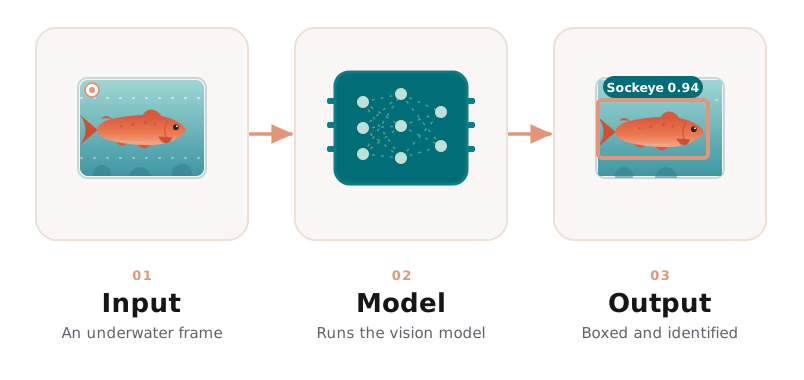 Each frame runs through the model, which boxes every fish and labels its
species with a confidence score.
Each frame runs through the model, which boxes every fish and labels its
species with a confidence score.
No single sensor works in every river, so SalmonVision pairs the same vision pipeline with three complementary ways of seeing the water.
Motion-triggered cameras wake as a fish passes and feed clear footage to the model, which counts and classifies each individual by species.
Acoustic sonar counts fish in murky, dark or turbulent water where cameras fail, including juvenile smolt migrating downstream past dams.
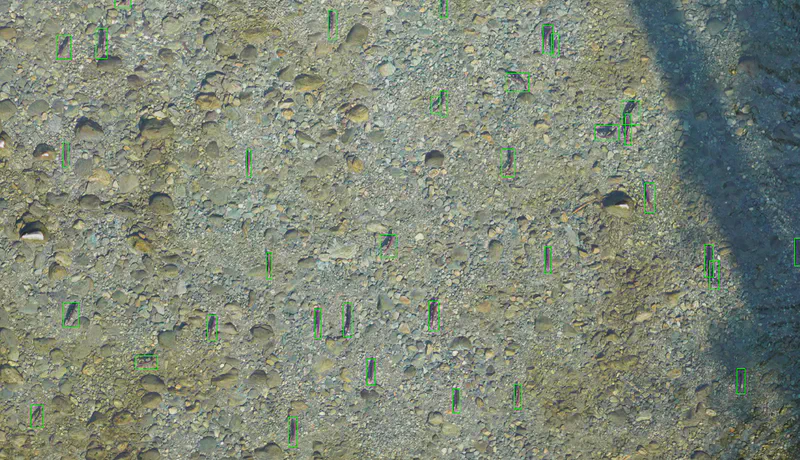
Aerial photogrammetry surveys whole stream reaches from above, reaching places fixed sensors can't and mapping where fish move.
Three complementary sensors, one shared vision pipeline. Switch between them to see each in action.
An underwater monitoring camera goes live at Bear Creek. As fish pass, the system wakes and counts them.
Where the water is silty, dark or fast, light-based cameras struggle. Sonar uses sound instead, so it keeps counting in zero-visibility conditions and at night. We push the same idea further in our sister project on monitoring juvenile smolt with ARIS sonar.
Sonar detects and counts fish acoustically, no light required.
For wider stretches of river, drones survey from above, mapping reaches that fixed sensors can’t cover.
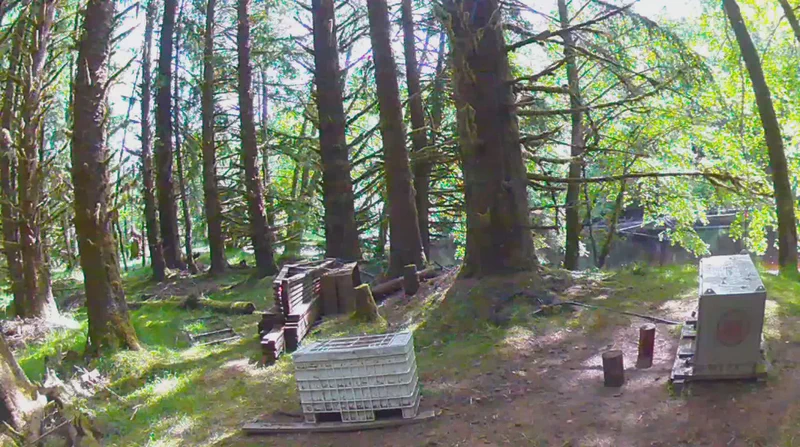
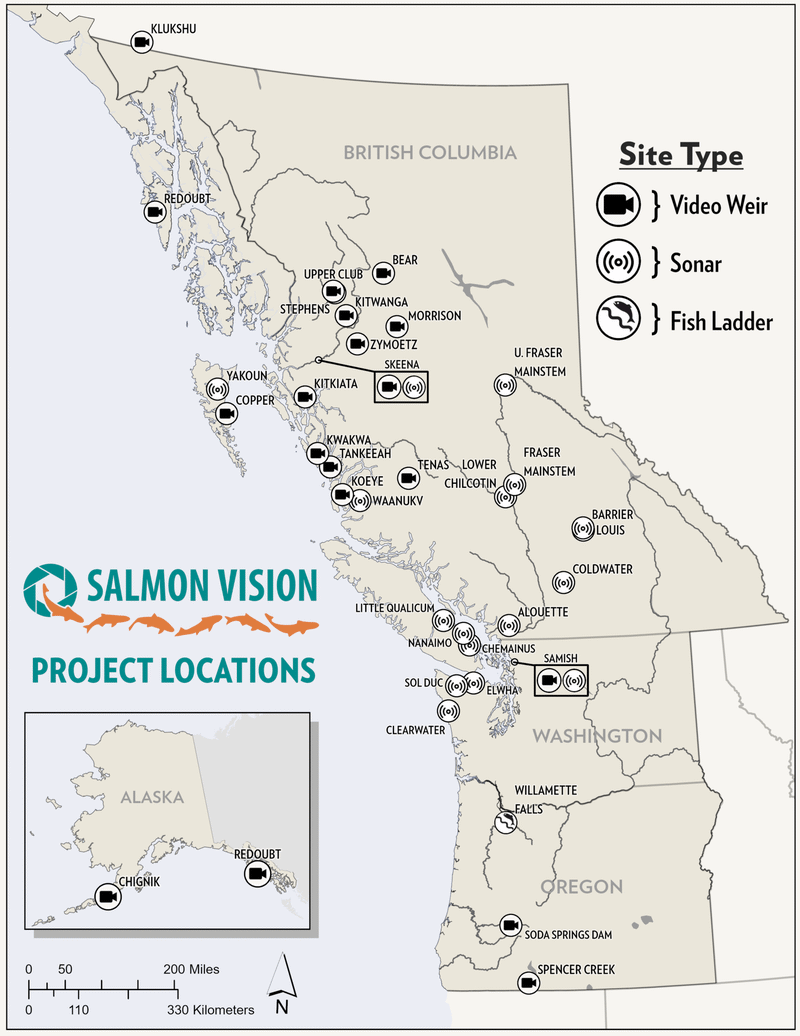
Those sensors are not a lab prototype: they are deployed across watersheds from Alaska down through British Columbia to Washington and Oregon, at video weirs, sonar stations and a fish ladder.
Every detection flows into a review app, where counts are tallied on a timeline and a person can confirm the model’s work, turning continuous footage into trustworthy, exportable reports.
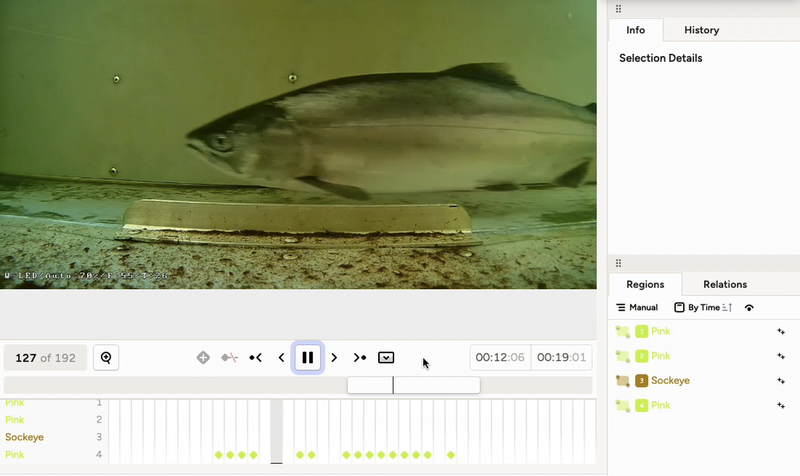
Reviewing detections in the app: bounding boxes, species labels and a running count on a timeline.
See deployments, live count dashboards, and how to get involved on the SalmonVision website.
Visit SalmonVisionSalmonVision identifies the main Pacific salmon species as they pass the camera, not just a single overall fish count.
Beyond the salmon above, the system also recognizes Bull Trout, Rainbow Trout, Whitefish, Shiner, Pikeminnow, Jack Chinook, Lamprey, and Cutthroat Trout.
First Nations across the North and Central Coast of British Columbia are at the heart of this work, contributing data and expertise to train the models and leading their use for salmon stewardship within their own territories, alongside the research and conservation partners who sustain SalmonVision.
A wild salmon migration monitoring system turns the hardest, most tedious part of conservation (counting) into reliable, continuous data. With accurate numbers in hand, managers can set fishing quotas, prioritize habitat restoration, hold infrastructure to account, and give communities a transparent picture of the runs they depend on.
See the model in action right in your browser. Try it on the built-in examples or your own data. No install, no setup.
Open the demoWe build conservation technology with partners in the field. Tell us what you're monitoring and we'll tell you what's possible.




An innovative use of sonar imagery to monitor and analyze the migration patterns of smolt salmon as they journey from freshwater to the ocean
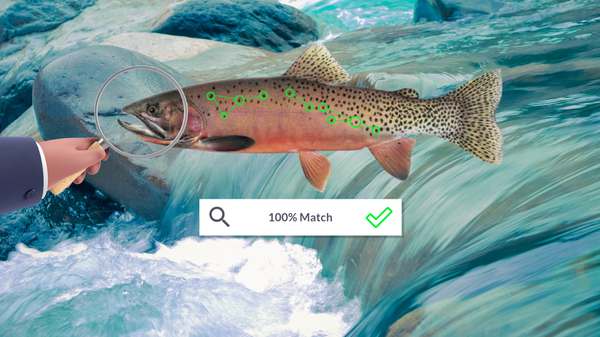
Non-invasive technology for monitoring trout populations using computer vision to accurately identify individual fish.
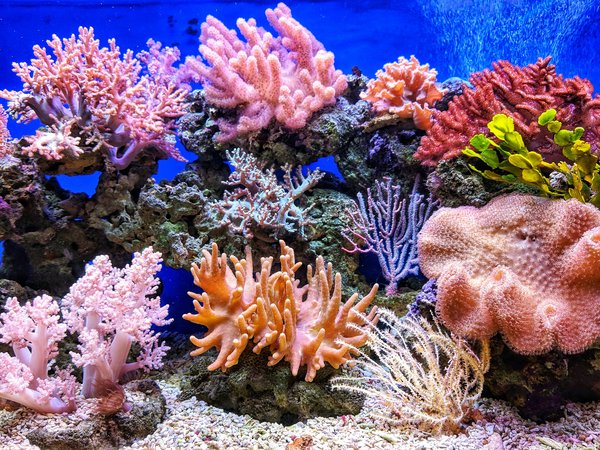
Segmentation of coral reefs in benthic imagery to quantify the long-term growth or decline of coral cover within marine protected areas.
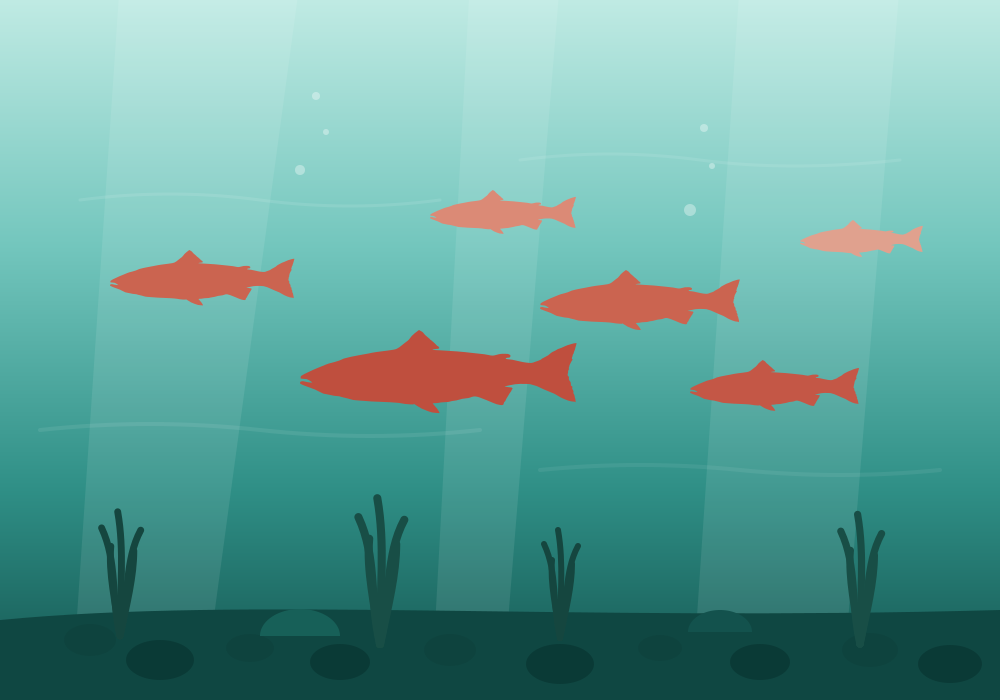
Classifying and counting wild salmon from underwater camera streams as they migrate back to spawn.
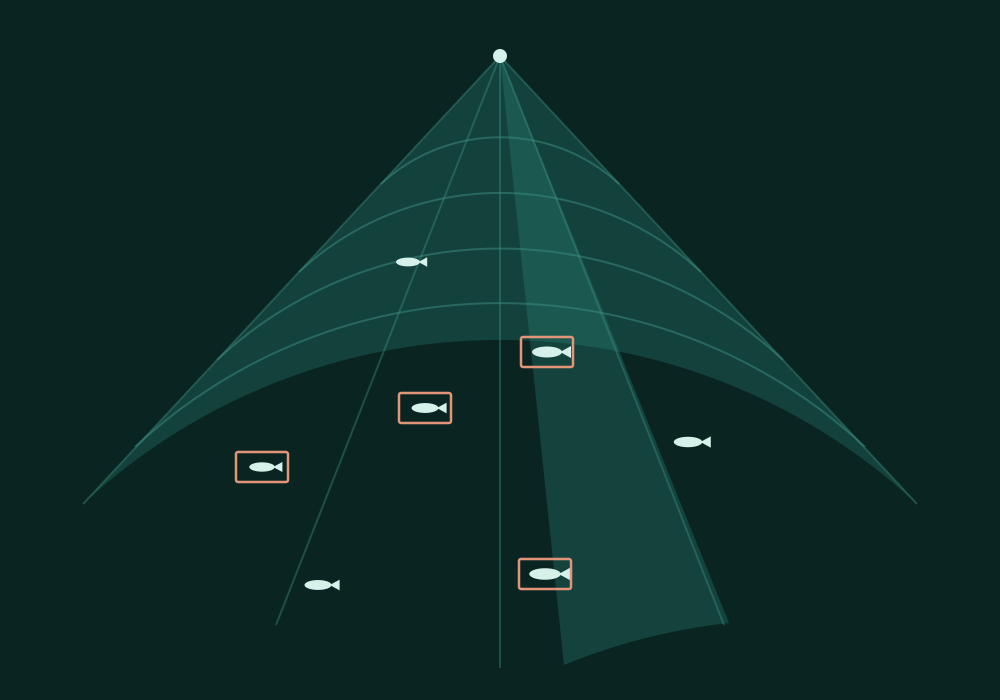
Detecting, tracking and counting juvenile salmon in ARIS sonar as they migrate downstream.
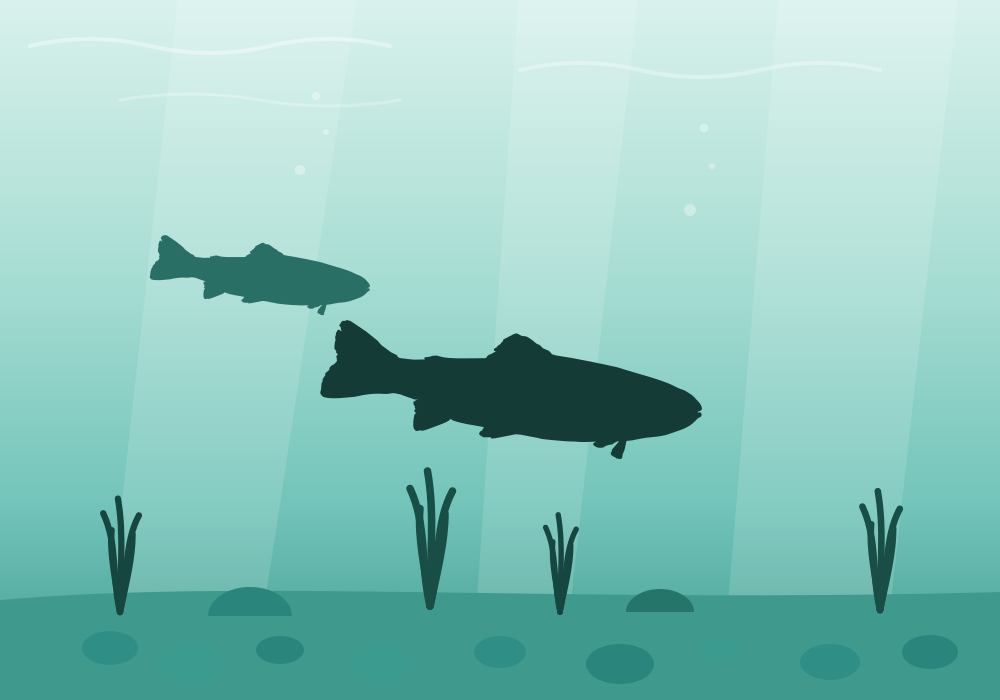
Reading the spot patterns on trout to identify individual fish, a non-invasive way to monitor populations.
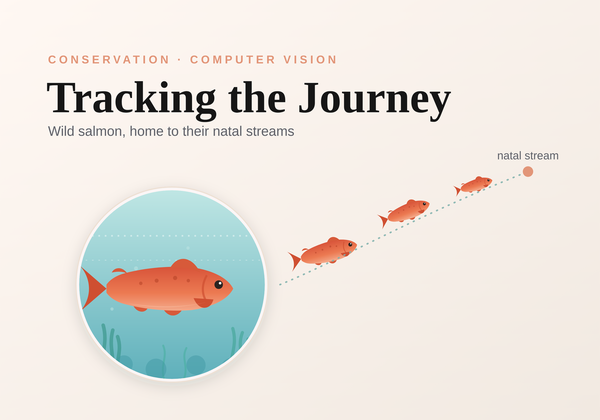
An in-depth look at the systems developed and deployed to track the journey of wild salmon as they return to their natal streams.
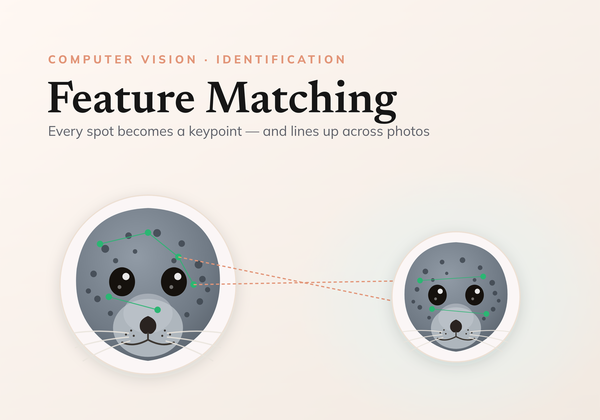
A comprehensive examination of using local feature matching for individual identification.
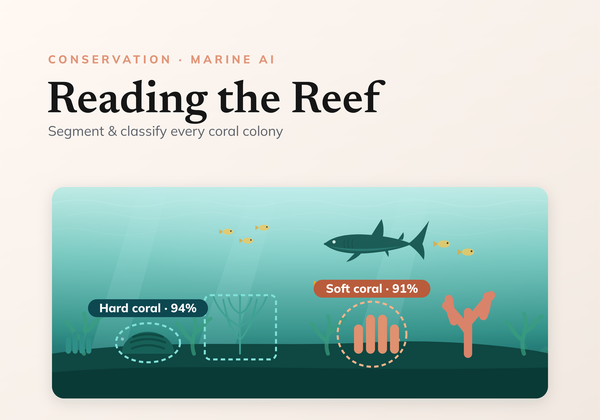
Learn how to successfully train a computer vision model to accurately analyse underwater benthic imagery.