


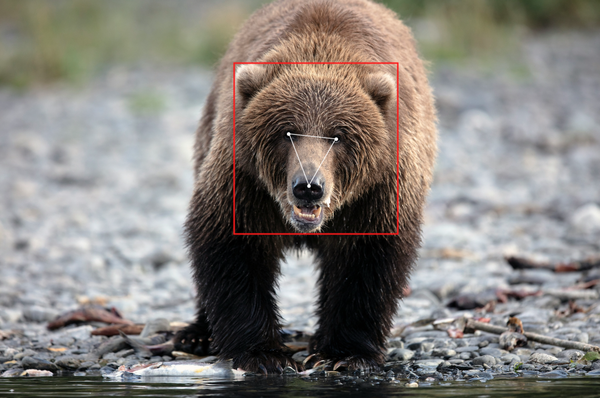
Bear Identification
Noninvasive technologies to identify and monitor bears, facilitating their conservation.
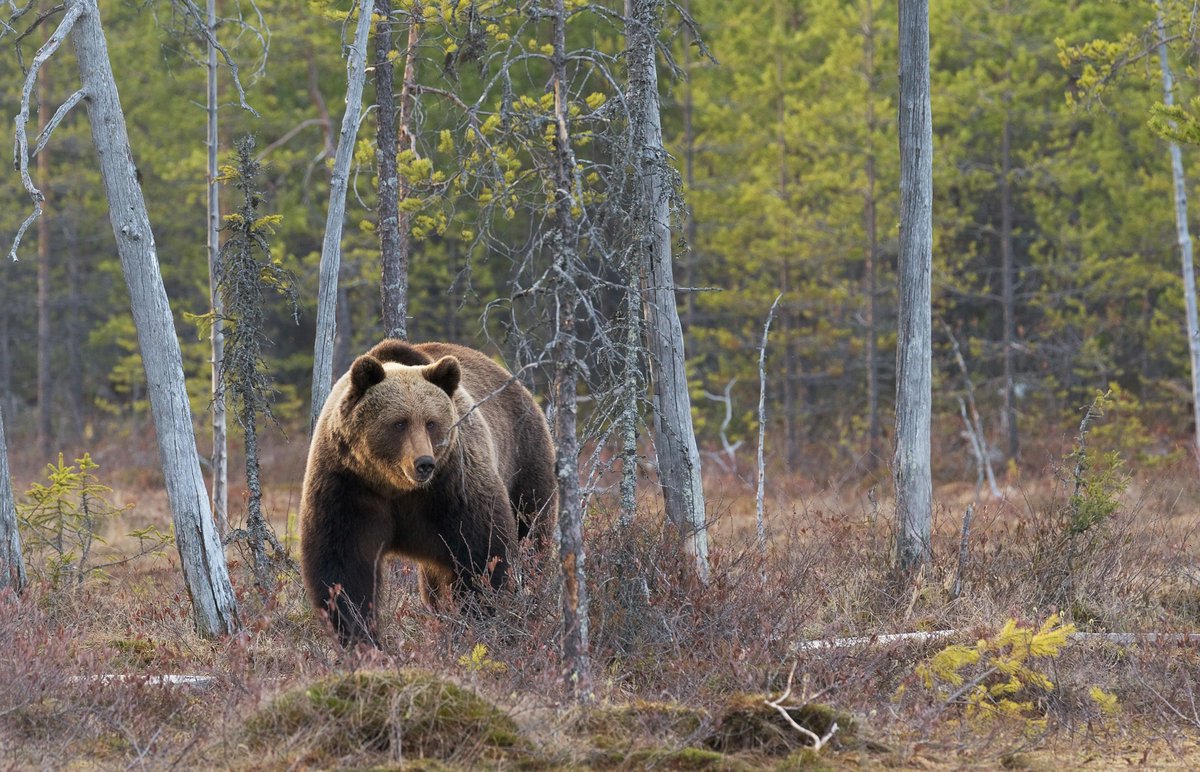


Spotting bears at the farm's edge and scaring them off, harmlessly, before conflict starts.
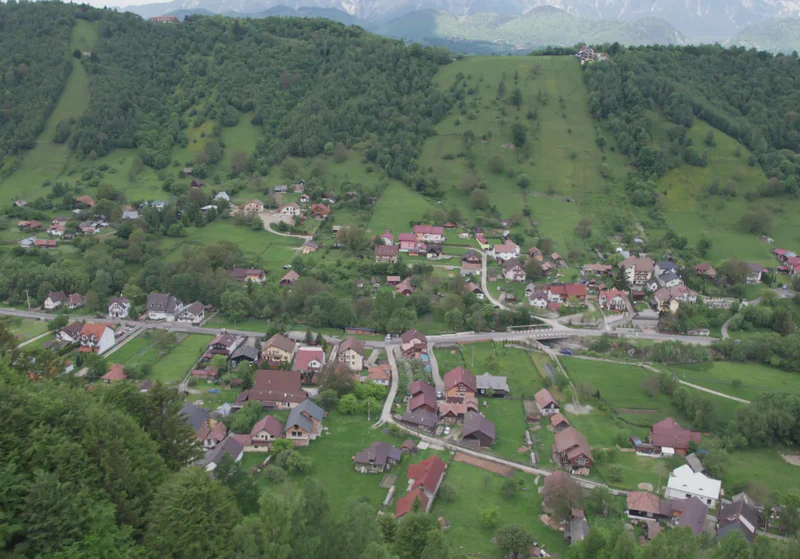
The Carpathian Mountains of Romania are home to the largest brown bear population in Europe. Bears and people have shared these valleys for centuries, but as villages expand and bears learn that farms mean easy calories, encounters are becoming more frequent, and more dangerous for both sides.
Brown bears serve as pivotal indicators and umbrella species, playing a crucial role in ecological balance. Managing Human-Wildlife Conflict in regions inhabited by these apex predators is paramount for safeguarding the overall health of ecosystems.
Implementing non-invasive methods to deter bears from approaching farms and livestock holds promise in fostering harmonious relations between humans and bears. Together with HackThePlanet and Foundation Conservation Carpathia, we develop and field-test smart detection and deterrent systems that keep bears out of villages without harming them.
Our ongoing research and development of a software tool aim to offer a cost-effective, scalable, and versatile solution applicable not only to bears but also to other species. This initiative has the potential to significantly contribute to resolving human-wildlife conflicts on a global scale.
Living With Bears: Technology, Coexistence & Conservation, by HackThePlanetAs apex predators and ecosystem engineers, bears shape the forests around them, and their presence is a sign of a healthy, balanced environment.
By keeping deer, elk and fish populations in check, bears prevent overgrazing and keep plant communities, and everything that depends on them, in balance.
Roaming omnivores, they scatter seeds as they travel and enrich the soil through carcasses and dung, spreading plants and cycling nutrients across the forest.
Digging dens and turning logs reshapes habitat for other species, and a healthy bear population is one of the clearest signals of a healthy ecosystem.
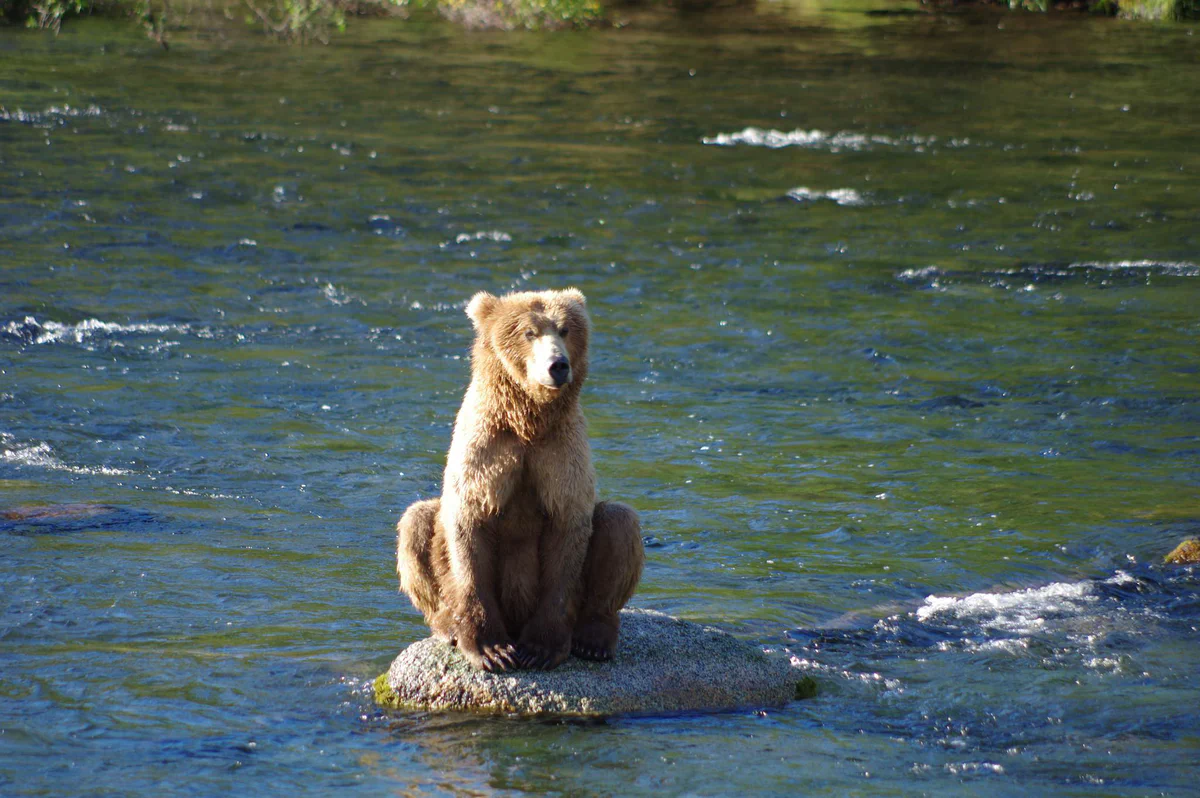
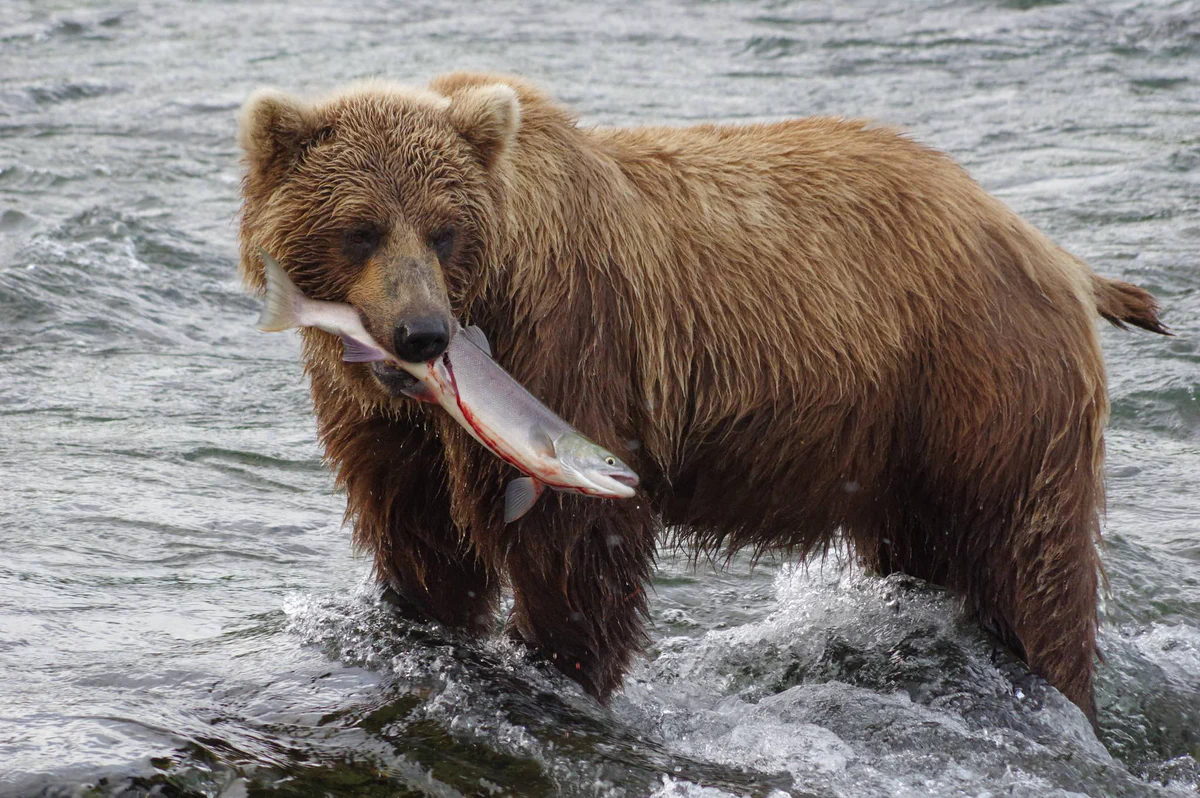
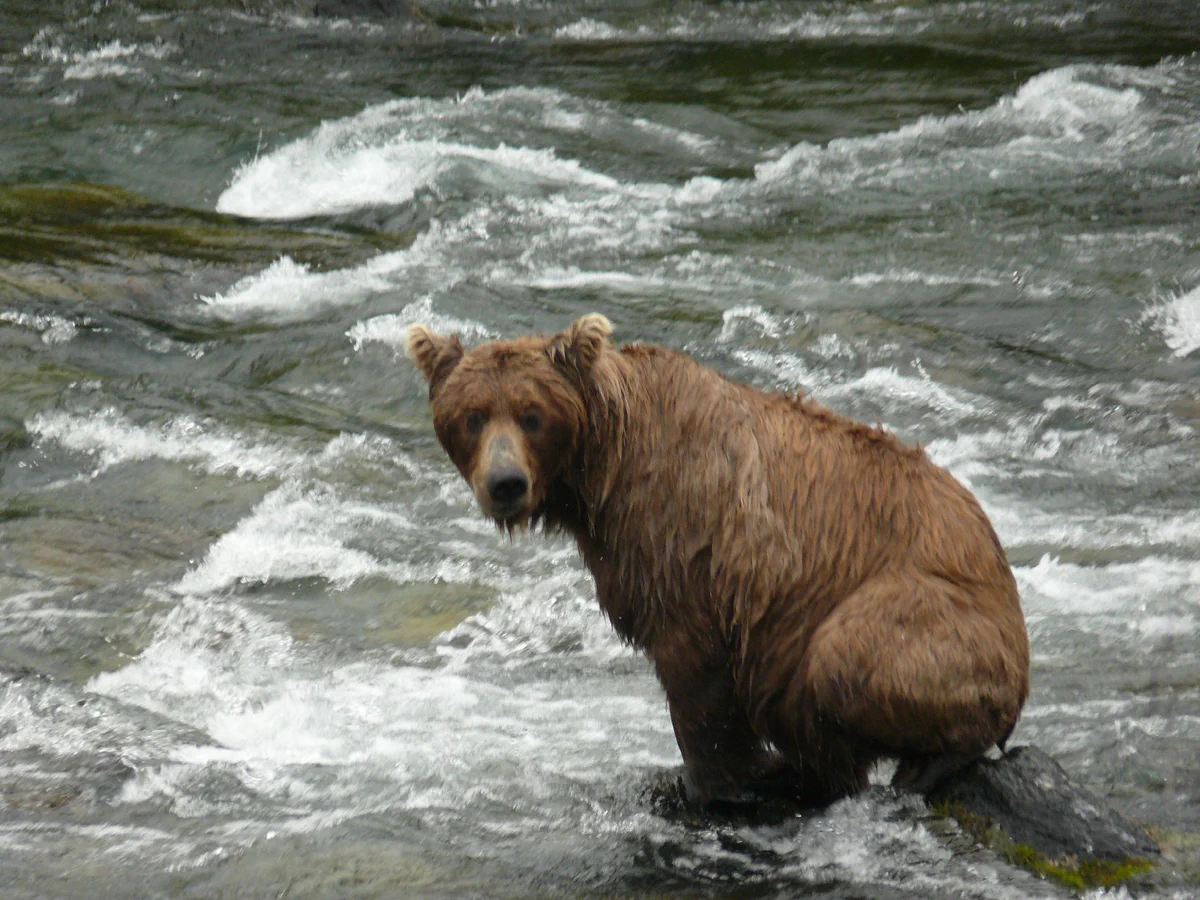
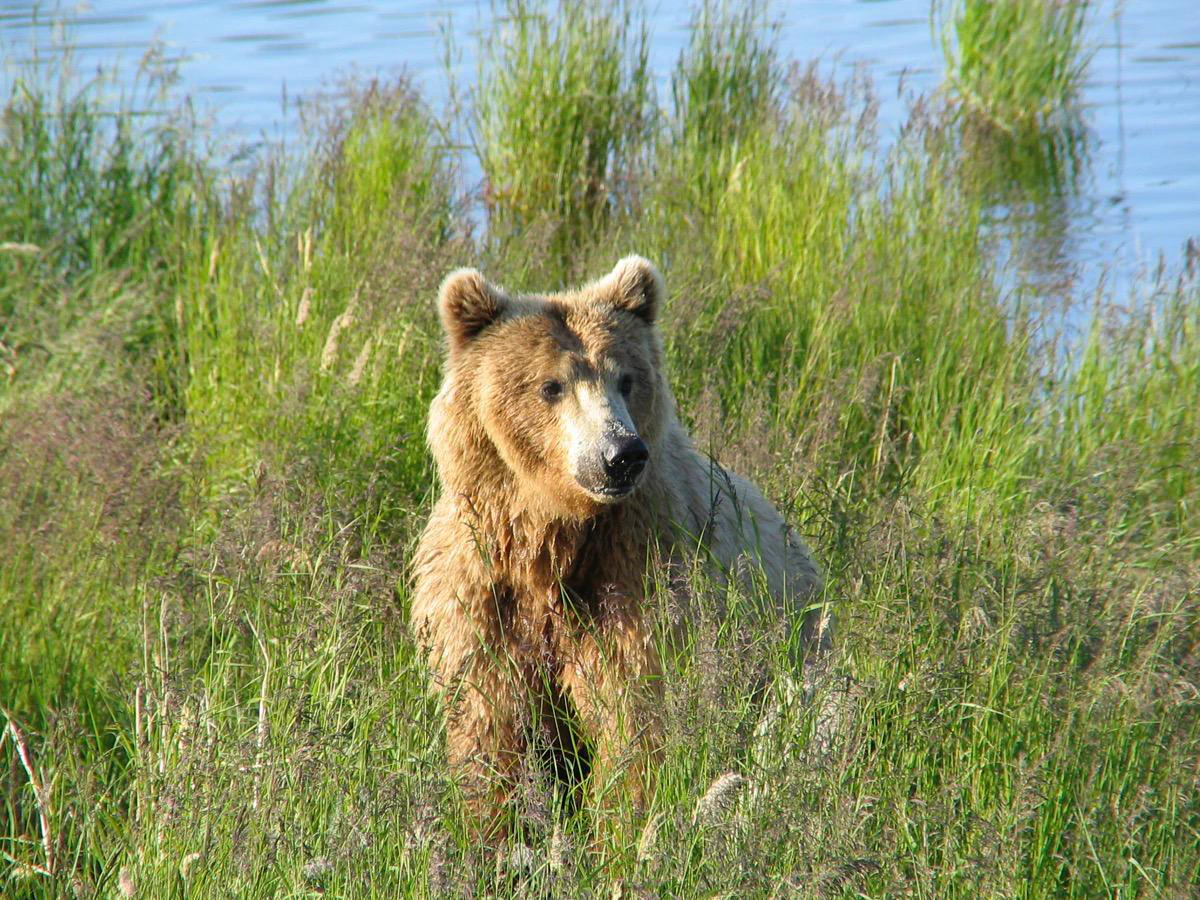
Different individuals from the BearID Project.
Even Europe’s strongest bear population is under pressure from several directions at once. Tap each to learn more.
Deforestation, farming and infrastructure shrink and split bear habitat, making it harder to forage, den and breed.
As people move into bear country, raids on livestock and crops trigger retaliation, and bears are often killed in response.
Bears are still poached for fur, claws and organs used in medicine, rituals or as trophies.
Shifting food and vegetation patterns and warmer winters disrupt denning, foraging and the timing bears rely on.
Mining, logging and disturbance degrade the habitats bears need, even where they aren't lost outright.
In some regions, thin legal protection or weak enforcement leaves bears exposed to exploitation.
The pieces are simple by design: a motion sensor and a night-vision camera, wired to a small Raspberry Pi that runs a bear-detection model right at the edge. The moment the model spots a bear, it fires the deterrent: no internet connection, no mains power required.
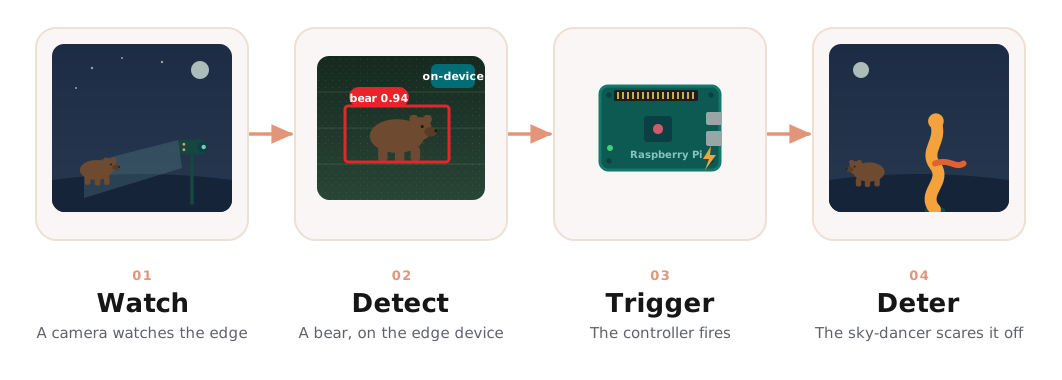 The camera watches the farm’s edge, a bear is detected on the device itself,
the controller fires, and the sky-dancer scares the bear off.
The camera watches the farm’s edge, a bear is detected on the device itself,
the controller fires, and the sky-dancer scares the bear off.
We build the detection software; HackThePlanet handles the electronics and packaging; and Foundation Conservation Carpathia runs the field deployments in the Carpathians. The model is tuned for high recall, catching every real bear that approaches, while keeping false alarms low, so everyday activity like livestock feeding doesn’t set it off and farmers keep trusting it.
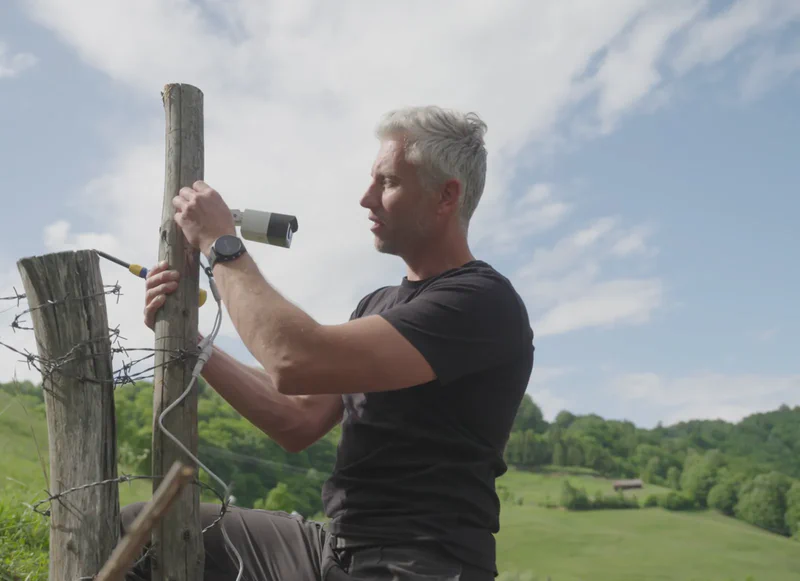
Out in remote farmland, on battery power, around a wary wild animal, the system has to meet some hard constraints:
It has to sip power and keep running for long stretches with little upkeep, far from the grid.
The deterrent must be completely harmless, to the bear and to the people living and working nearby.
A low false-positive rate keeps the farming community trusting the system, so a feeding cow never sets it off.
Bears make this genuinely hard: they’re most active at dawn and dusk, but as opportunistic feeders they can turn up at any hour, and where people are around, they often shift to the cover of night.
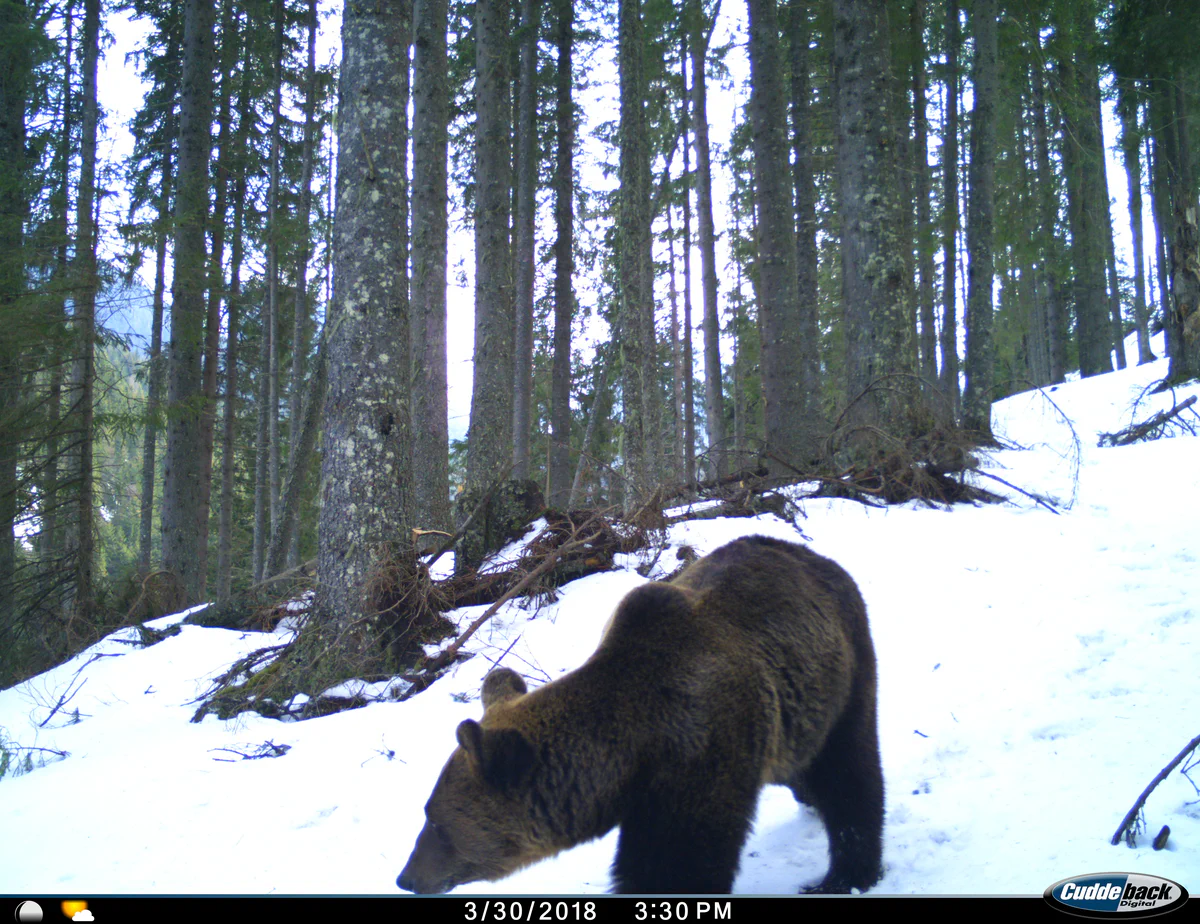
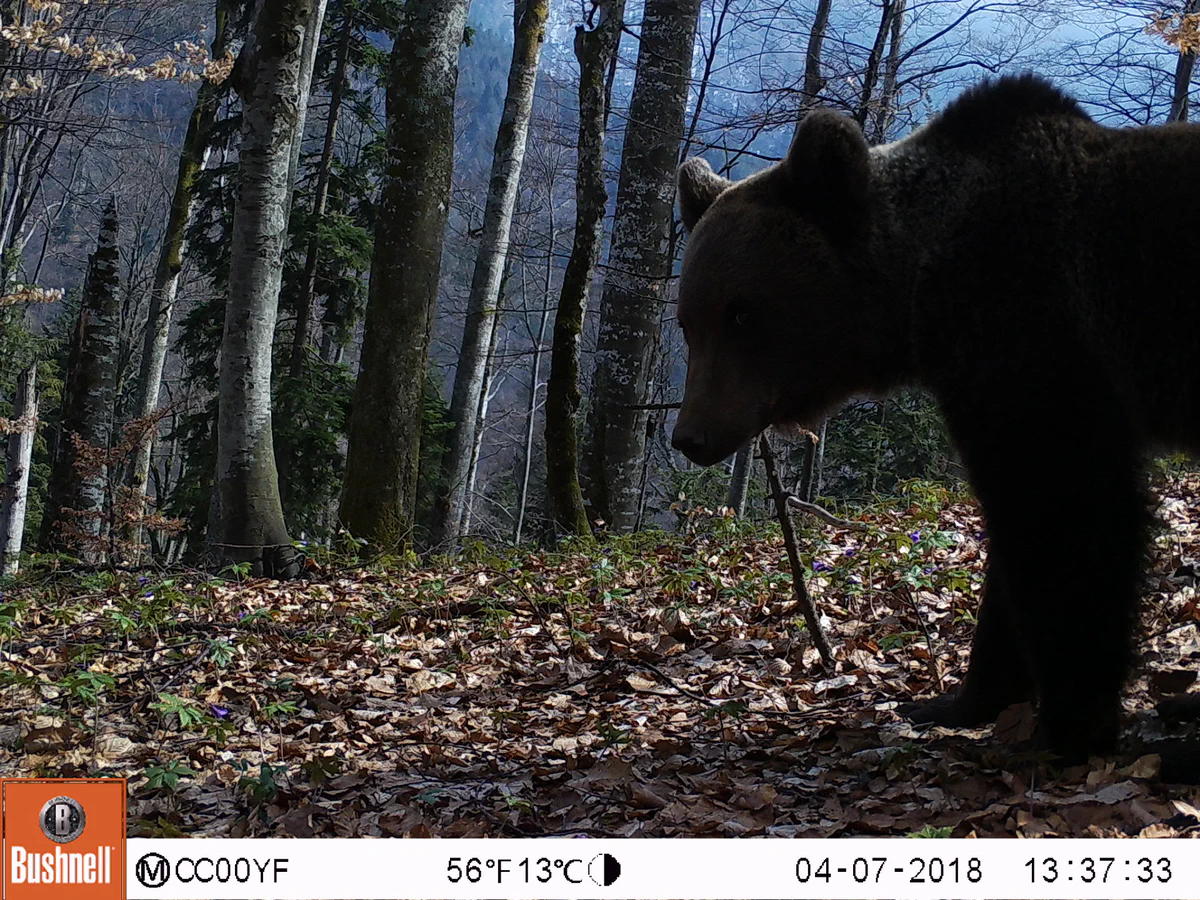
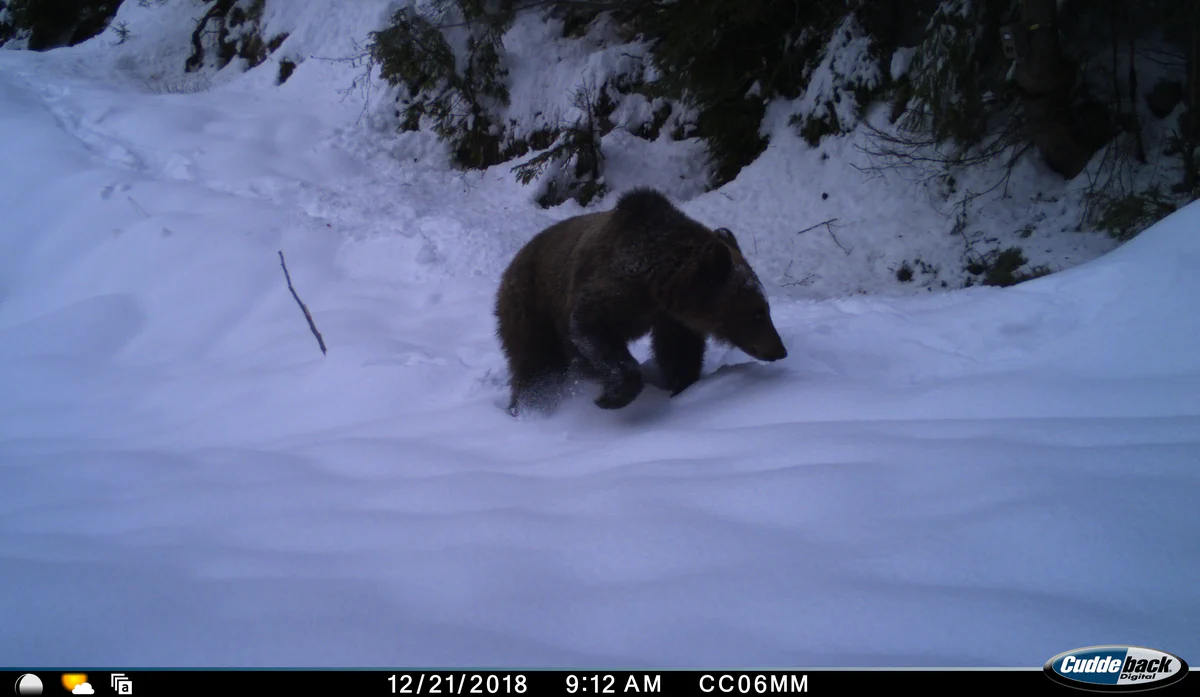
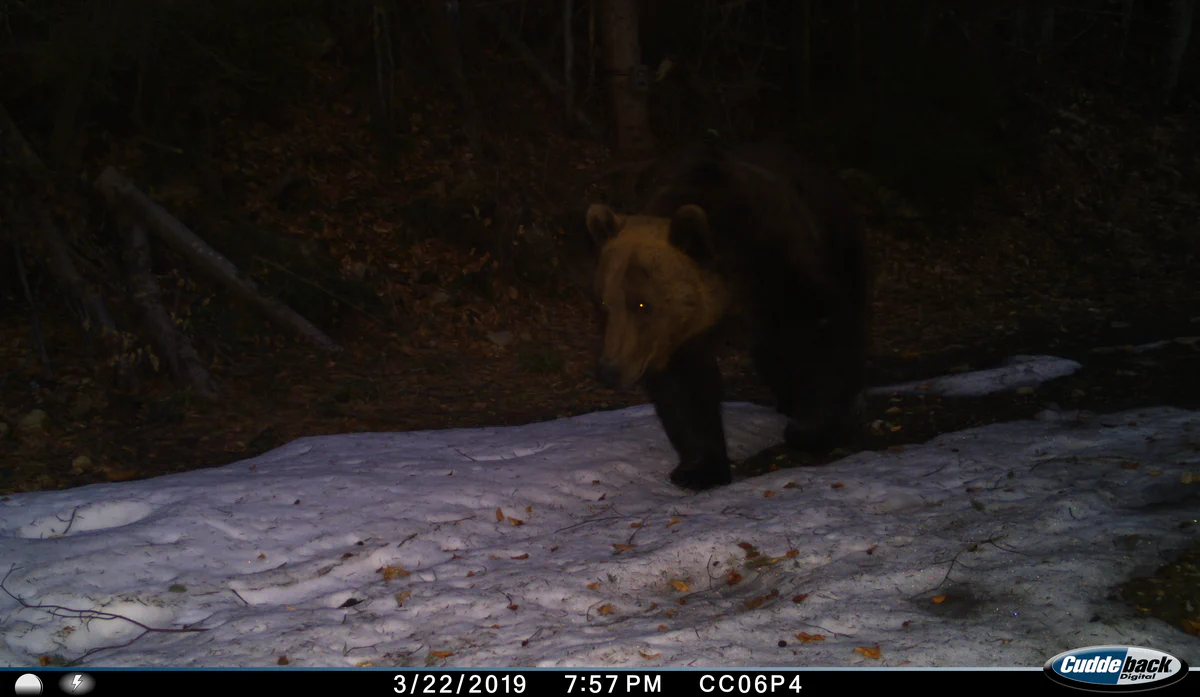
Camera-trap pictures of bears in Romania, near the farms where the system is deployed.
The chosen deterrent system consists of an inflatable tube man, a sky-dancer, capable of rapid inflation upon bear detection in a video frame. This solution offers affordability, low power consumption, and harmlessness, with easy replaceability. However, it remains uncertain whether bears can learn to disregard the deterrent over time, necessitating iterative improvements to the system as required in the future.
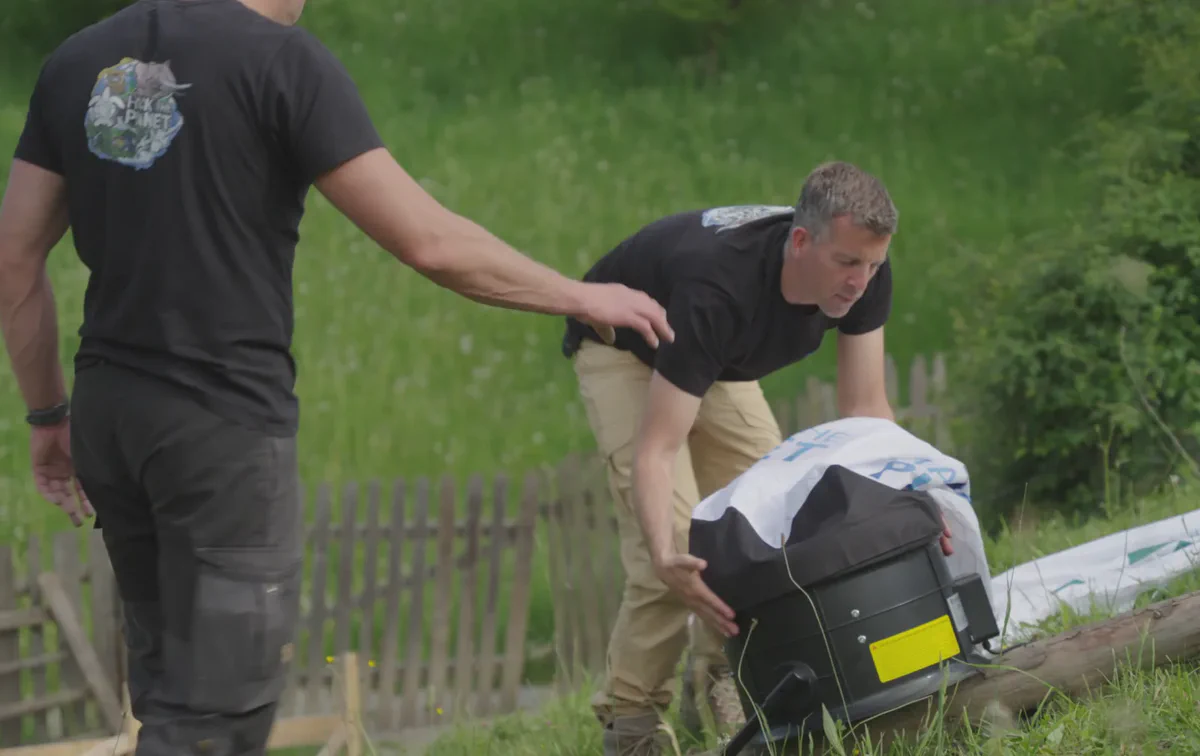
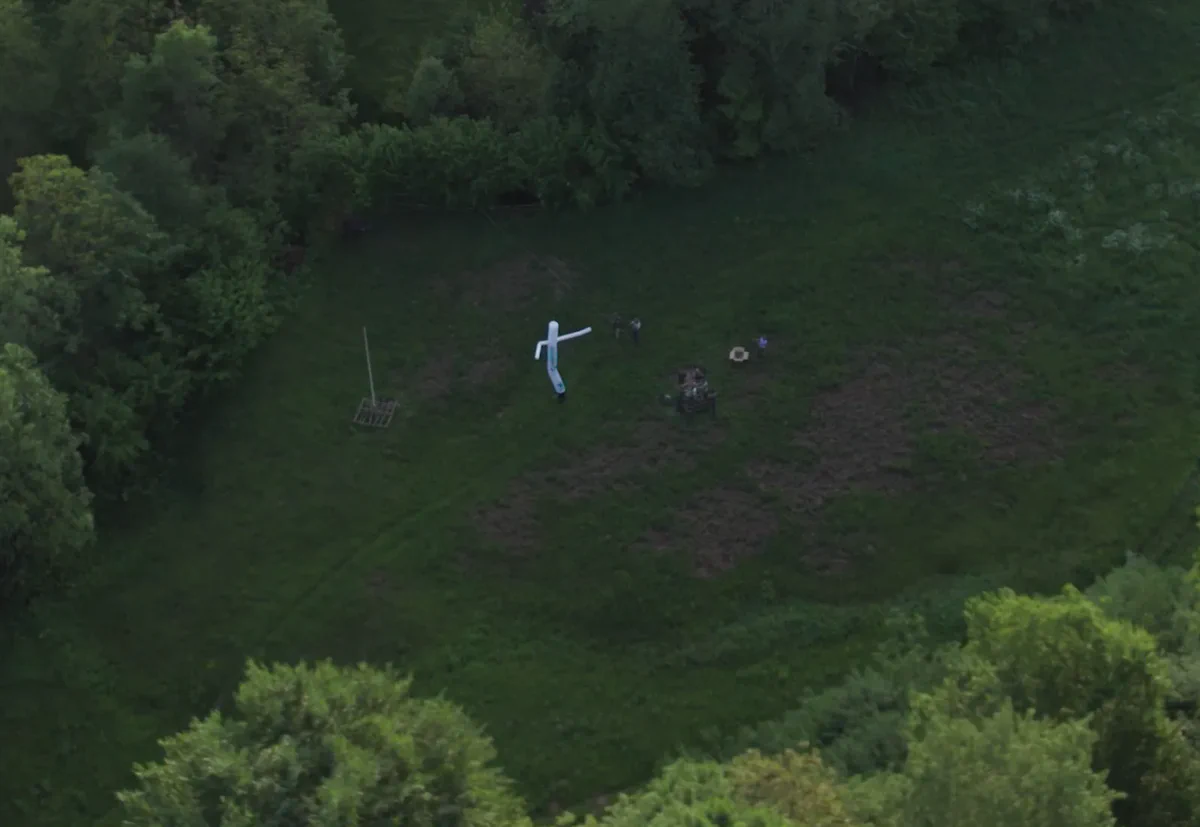
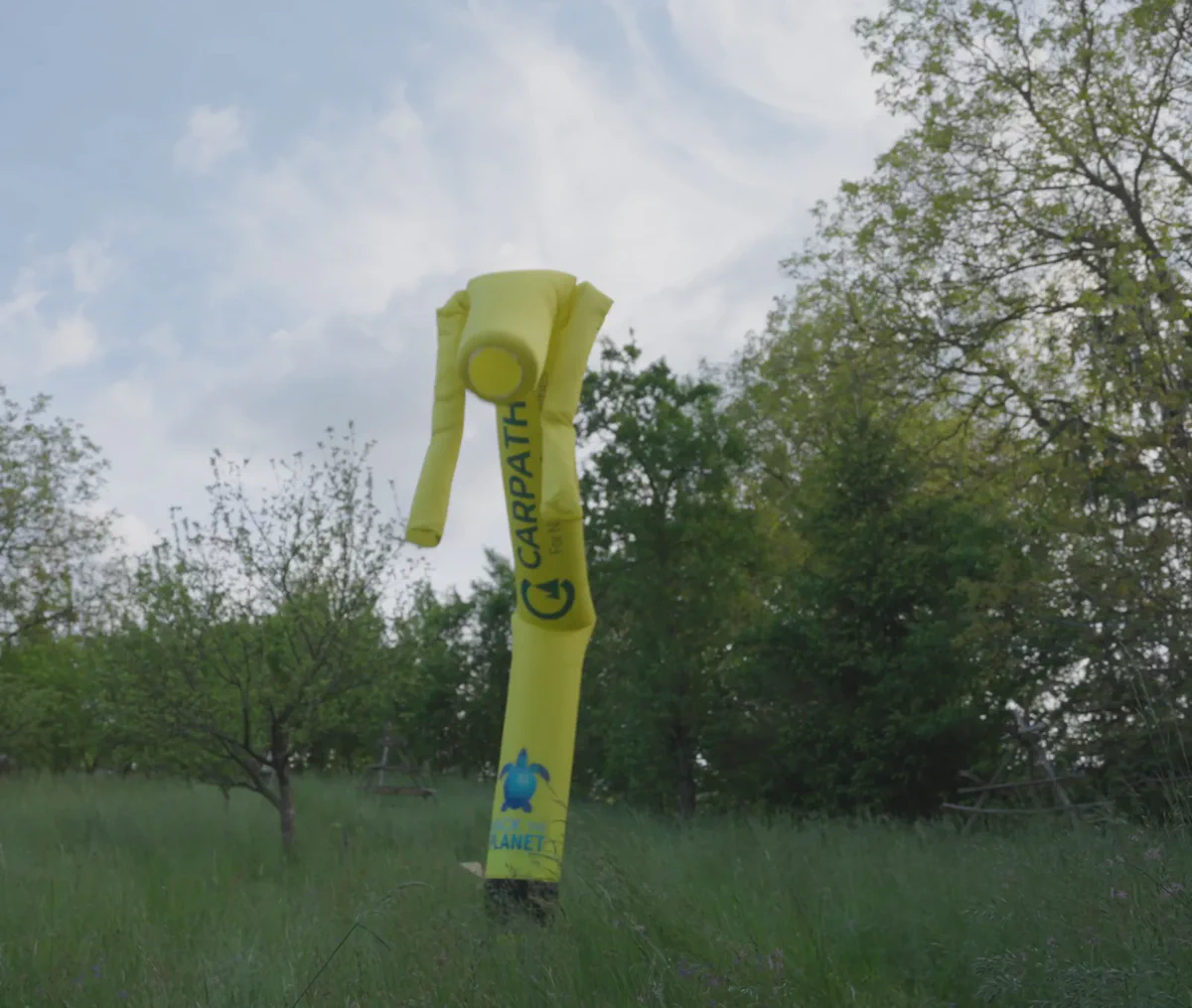
The inflatable sky-dancer deterrent in the field, photos courtesy of HackThePlanet.
In 2023, HackThePlanet deployed AI cameras and Smart Deterrents across the Carpathian Mountains to keep brown bears out of villages. The system worked, for most bears. But some repeat-offender “problem bears” eventually figure out that the light and sound from a deterrent, however unpredictable, isn’t actually dangerous. They learn, they adapt, and they come back.
This is where the sky-dancer comes in. Motion is fundamentally different from light and sound: a sky-dancer moves erratically, changes shape, and looms unpredictably, making it much harder for a bear to dismiss as background noise. In 2024, the team returned to the same area in partnership with Foundation Conservation Carpathia to field-test the prototype: an inflatable sky-dancer wired into the Smart Deterrent system, activating the moment the AI camera detects an approaching bear.
Field testing is ongoing. Early observations from the partner team suggest that the addition of dynamic motion does change bear behaviour at the deterrent station, particularly for individuals that had begun to ignore audio-only systems.
The state-of-the-art Machine Learning model developed for real-time, low-power bear detection marks a significant milestone in mitigating human-wildlife conflicts. By fostering the creation of open-source tools, this project makes a substantial contribution toward harmonizing the coexistence of farmers and predators like bears. Moreover, its potential extends beyond bear management, offering promising avenues for resolving human-wildlife conflicts across diverse species.
Instant Bear Scare Device Demo by HackThePlanetSee the model in action right in your browser. Try it on the built-in examples or your own data. No install, no setup.
Open the demoWe build conservation technology with partners in the field. Tell us what you're monitoring and we'll tell you what's possible.

Noninvasive technologies to identify and monitor bears, facilitating their conservation.
Democratize open and low-tech solutions for fighting wildfires, for the benefit of the ecosystems and the citizens.
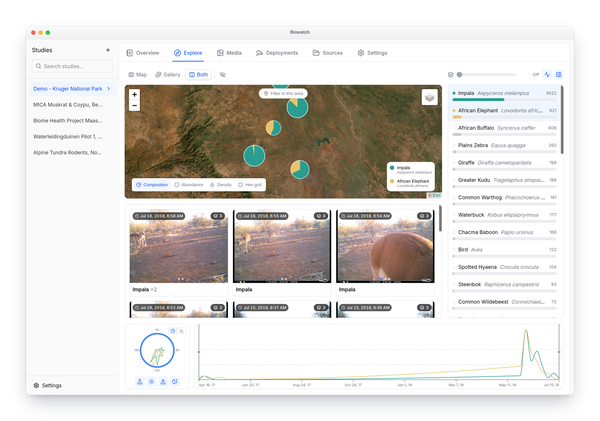
A free, open-source desktop application for visualizing camera trap data to support conservation efforts.
Detecting and deterring bears near Romanian farms so people and predators can coexist.
Facial recognition that tells individual bears apart from photos, tracking British Columbia's black bear population over time.
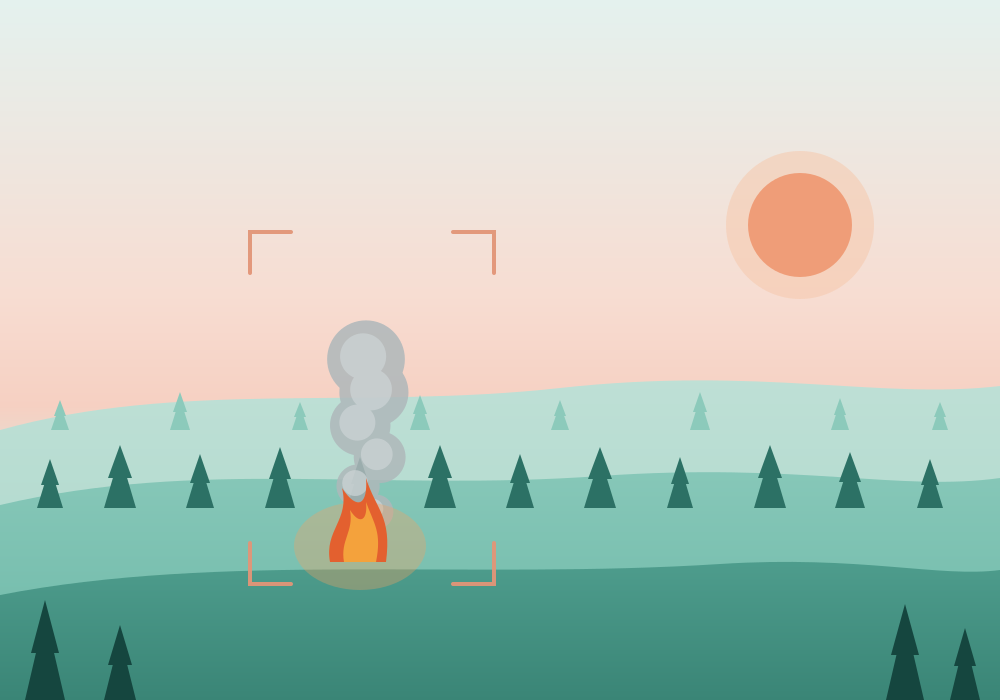
Real-time camera analysis that spots wildfires early and raises the alarm fast.
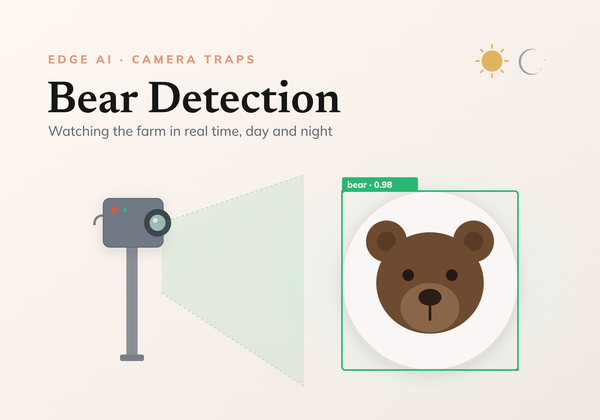
Detecting bears in real time using low-power technology.
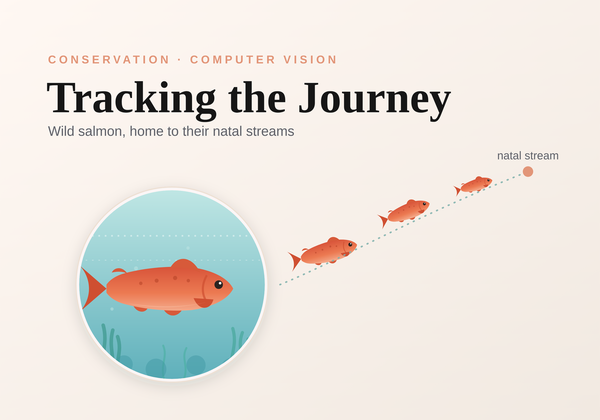
An in-depth look at the systems developed and deployed to track the journey of wild salmon as they return to their natal streams.
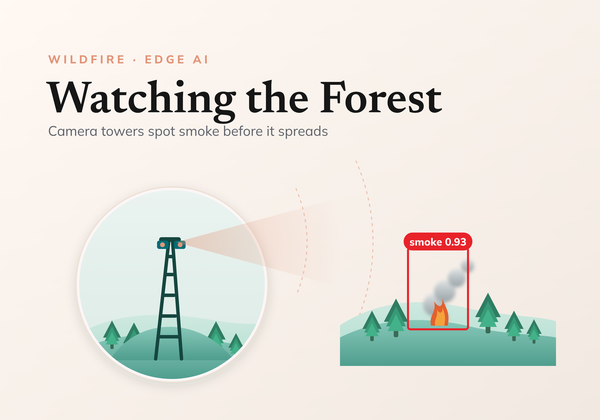
Detecting early forest fires in real time using low powered technology