


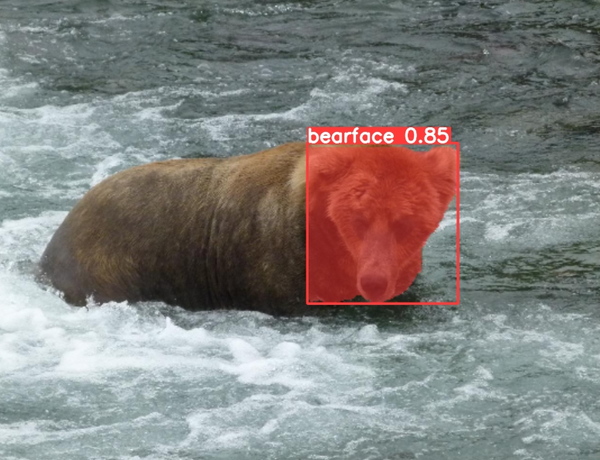
A guide to designing a bear face segmentation system
Detecting bears in real time using low-power technology.
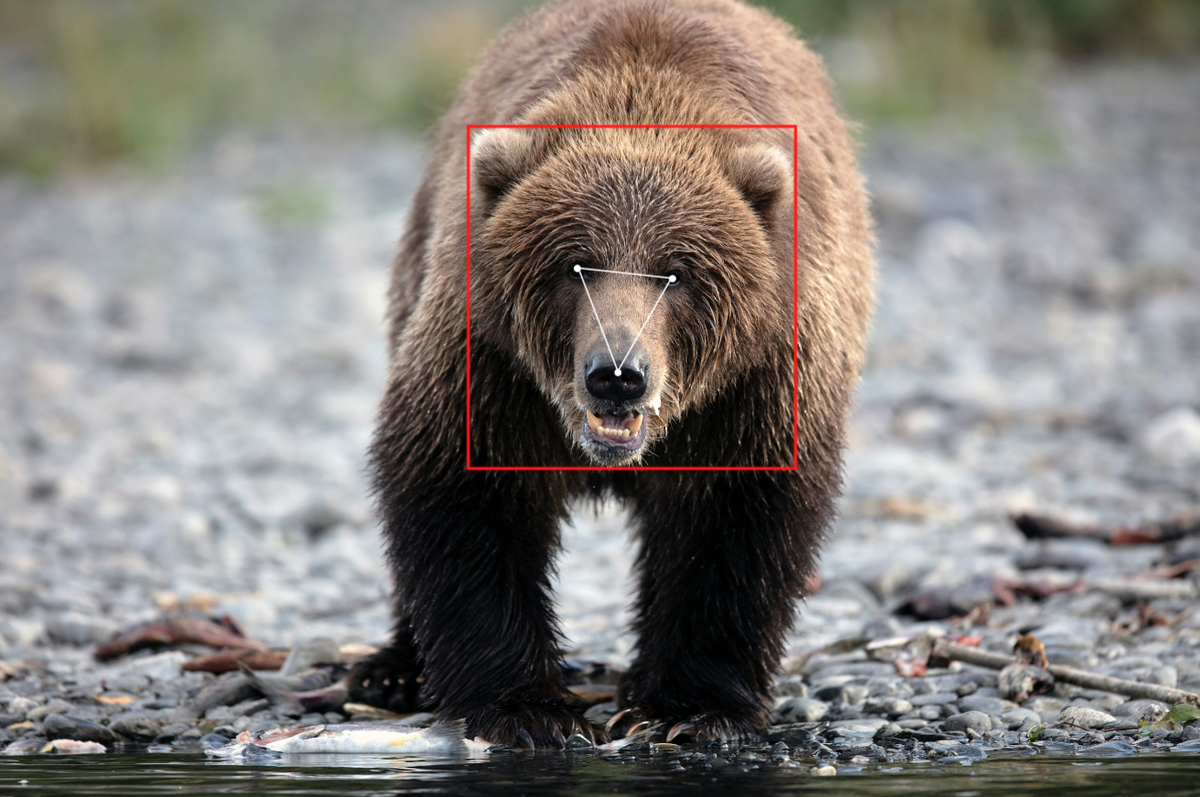

Recognising individual brown bears by their faces — from a camera-trap photo, with no tags and no handling.
Brown bears are charismatic apex predators and umbrella species — protecting them protects whole ecosystems. But they are elusive, range over vast territories, and carry no natural tags, so simply knowing which bears are out there, and how many, is genuinely hard. The toolkit for non-invasive bear research is thin, which leaves population trends poorly understood.
Together with the BearID Project, we built a computer-vision system that recognises individual bears by their faces — straight from a camera-trap photo, with no tags, no collars and no handling.
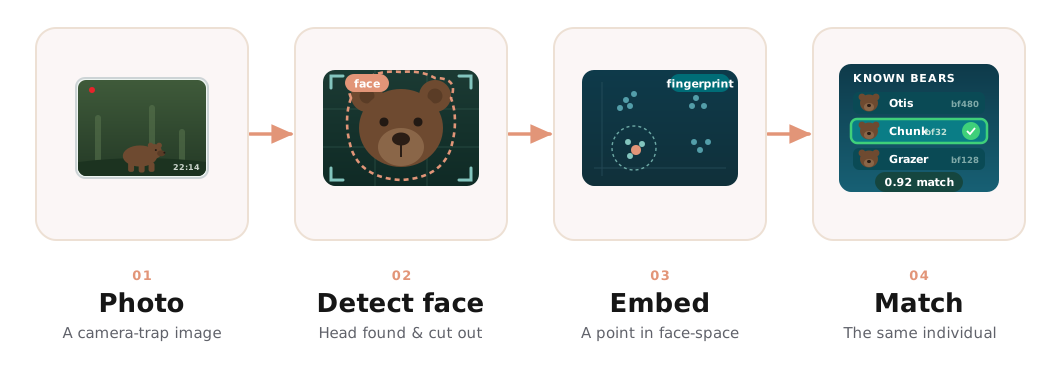 A camera-trap photo comes in, the bear’s face is found and cut out, turned
into a numerical “fingerprint”, and matched against a database of known
individuals.
A camera-trap photo comes in, the bear’s face is found and cut out, turned
into a numerical “fingerprint”, and matched against a database of known
individuals.
Our research and software tool will provide a replicable technique and general approach that can be applied to other species beyond bears, which could aid conservation efforts worldwide.
– BearID Project
As apex predators and ecosystem engineers, bears shape the forests around them — and their presence is a sign of a healthy, balanced environment.
By keeping deer, elk and fish populations in check, bears prevent overgrazing and keep plant communities — and everything that depends on them — in balance.
Roaming omnivores, they scatter seeds as they travel and enrich the soil through carcasses and dung — spreading plants and cycling nutrients across the forest.
Digging dens and turning logs reshapes habitat for other species, and a healthy bear population is one of the clearest signals of a healthy ecosystem.
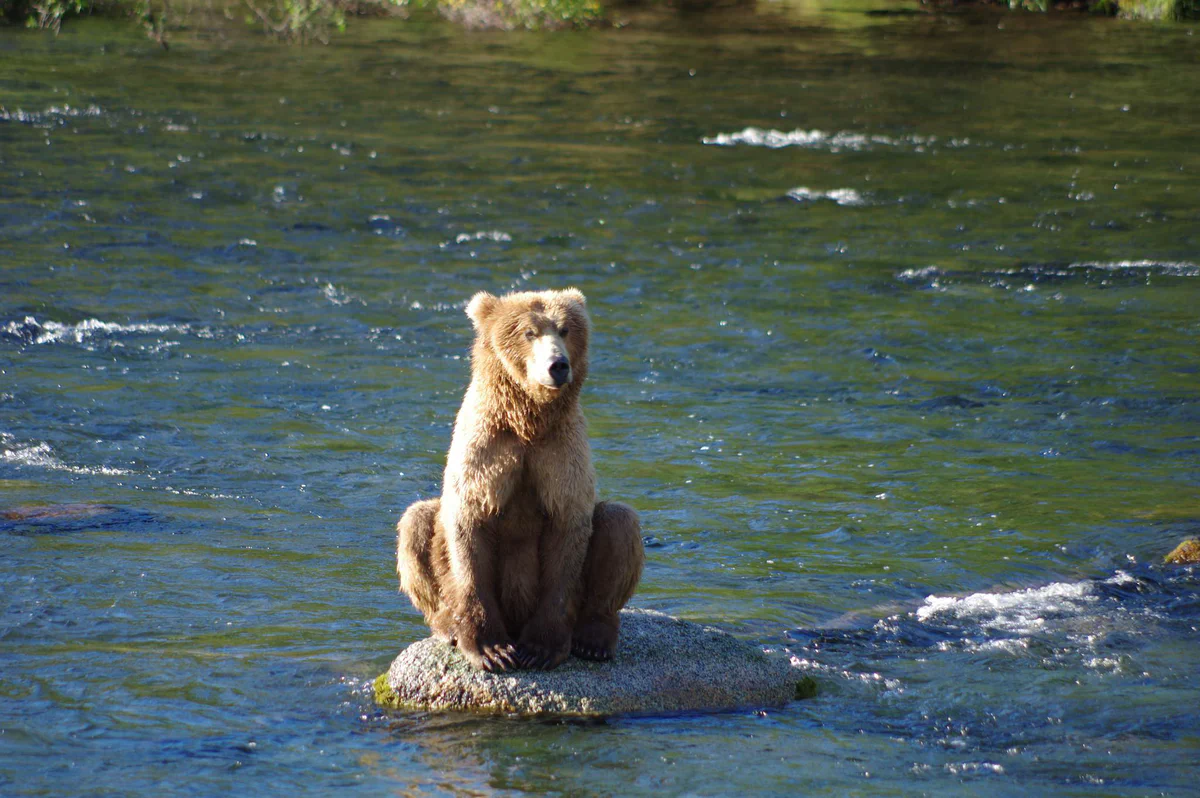
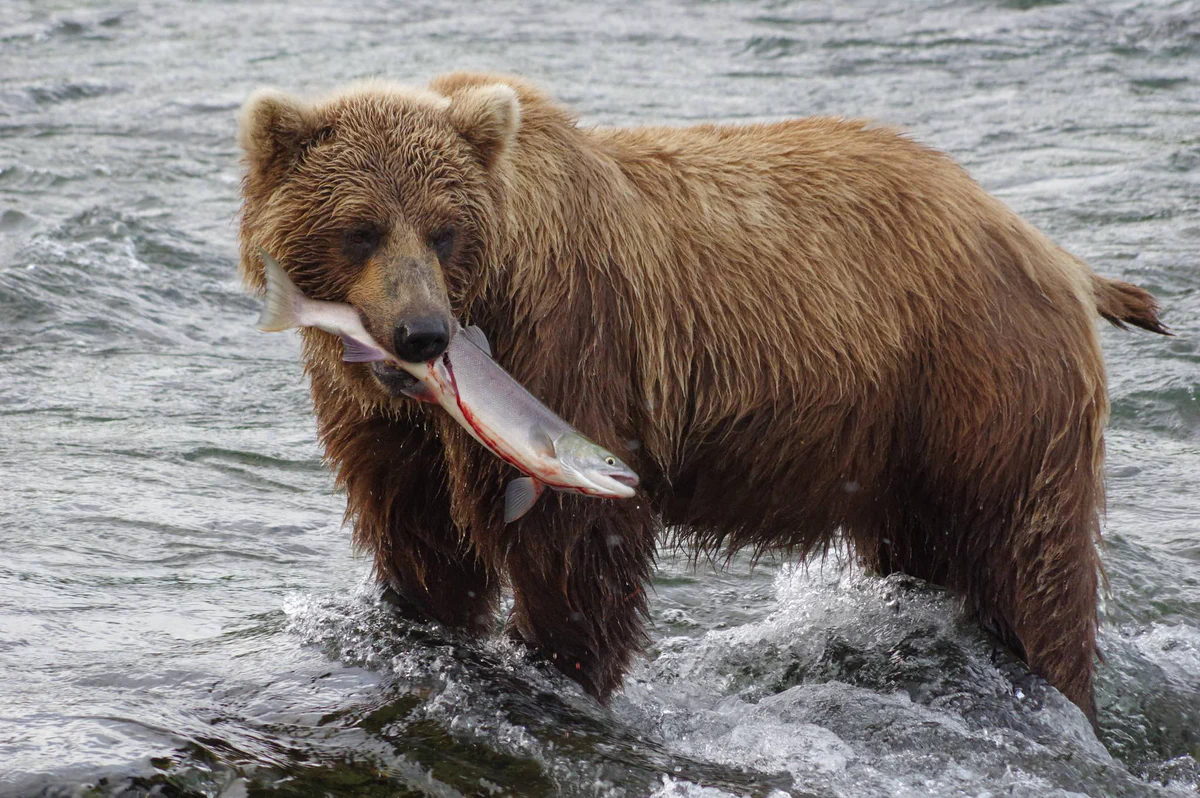
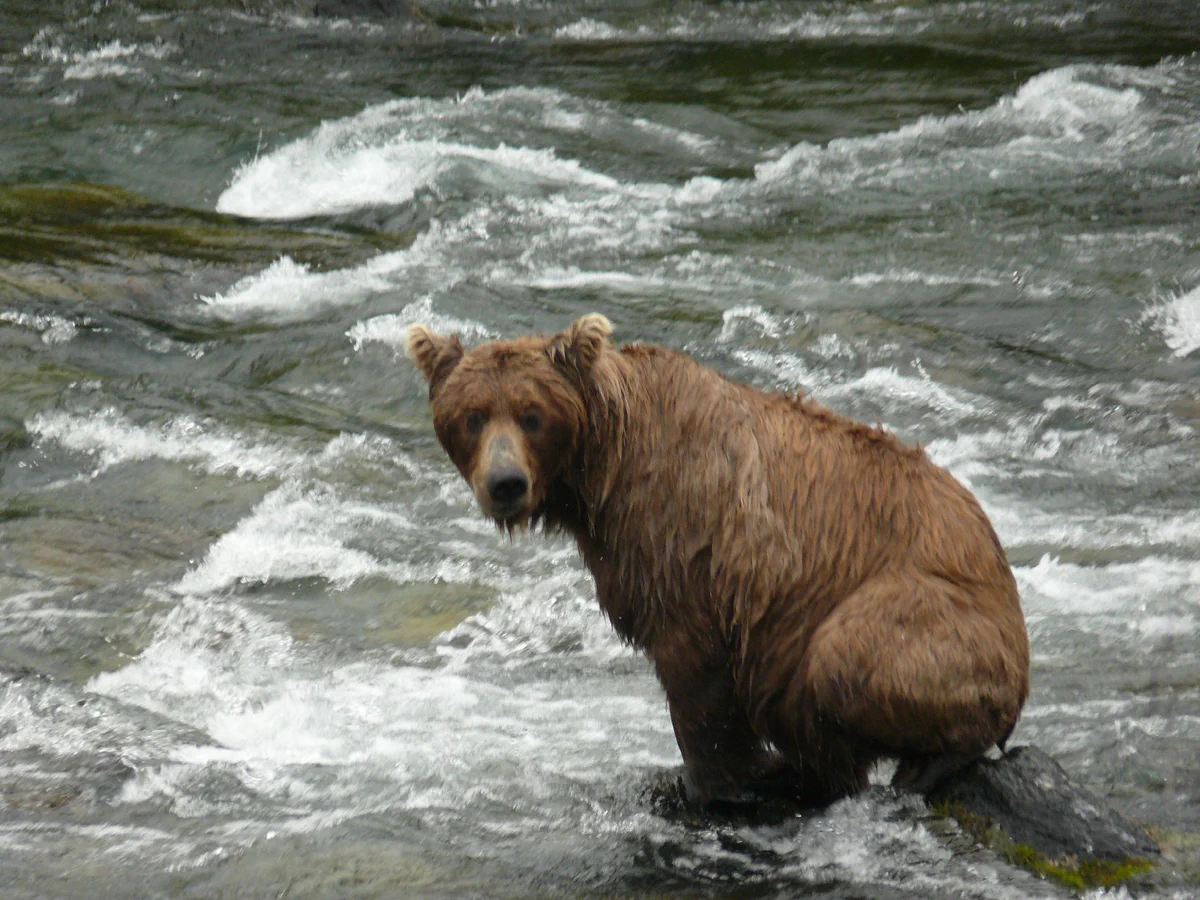
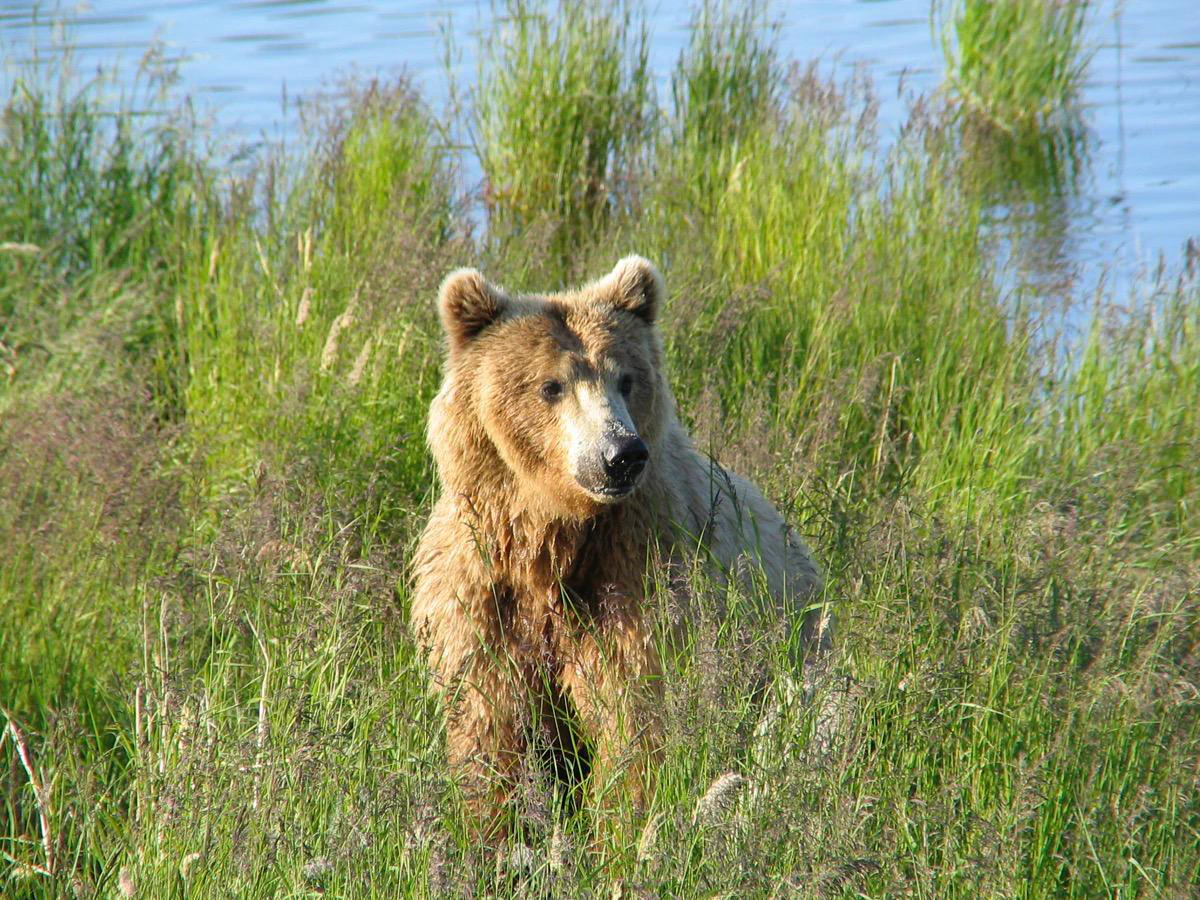
Different individuals from the BearID Project.
Brown bears face pressure from several directions at once. Tap each to learn more.
Deforestation, farming, urbanisation and infrastructure shrink and split bear habitat, making it harder to forage, den and breed.
As people move into bear country, raids on livestock and crops trigger retaliation — and bears are often hunted or killed in response.
Bears are poached for fur, claws and organs used in traditional medicine, rituals or as trophies.
Shifting food and vegetation patterns and warmer winters disrupt denning, foraging and the timing bears rely on.
Mining, logging, pollution and disturbance degrade the habitats bears need, even where they aren't lost outright.
In some regions, thin legal protection or weak enforcement leaves bears exposed to exploitation.
Telling individuals apart — not just spotting a bear — is what turns camera-trap images into real conservation data.
Counting and re-spotting known individuals reveals population trends and how bears move through the landscape, guiding conservation and habitat management.
Following individuals over time opens up the study of social interactions, mating and reproduction — the foundations of effective conservation strategy.
Knowing which bears turn up where pinpoints high-conflict areas, informs bear-proofing and corridors, and helps measure whether coexistence measures actually work.
Brown bears extend facial recognition beyond primates — and in doing so expose challenges that apply to a wide range of species:
Unlike spotted or striped species, brown bears have no consistent coat pattern to identify them — so the face becomes the most reliable signature.
Their build varies widely across regions and habitats, making a single, universally accurate recognition model hard to pin down.
Bears gain and lose dramatic amounts of weight across the seasons and over their lives, so their faces have to be recognised despite changing appearance.
The pictures below show the same individual — Chunk (bf32), one of the
well-known Brooks River bears — at different times and places. A person finds it
hard; the model has to learn to see past the seasons, angles and lighting to the
bear underneath.
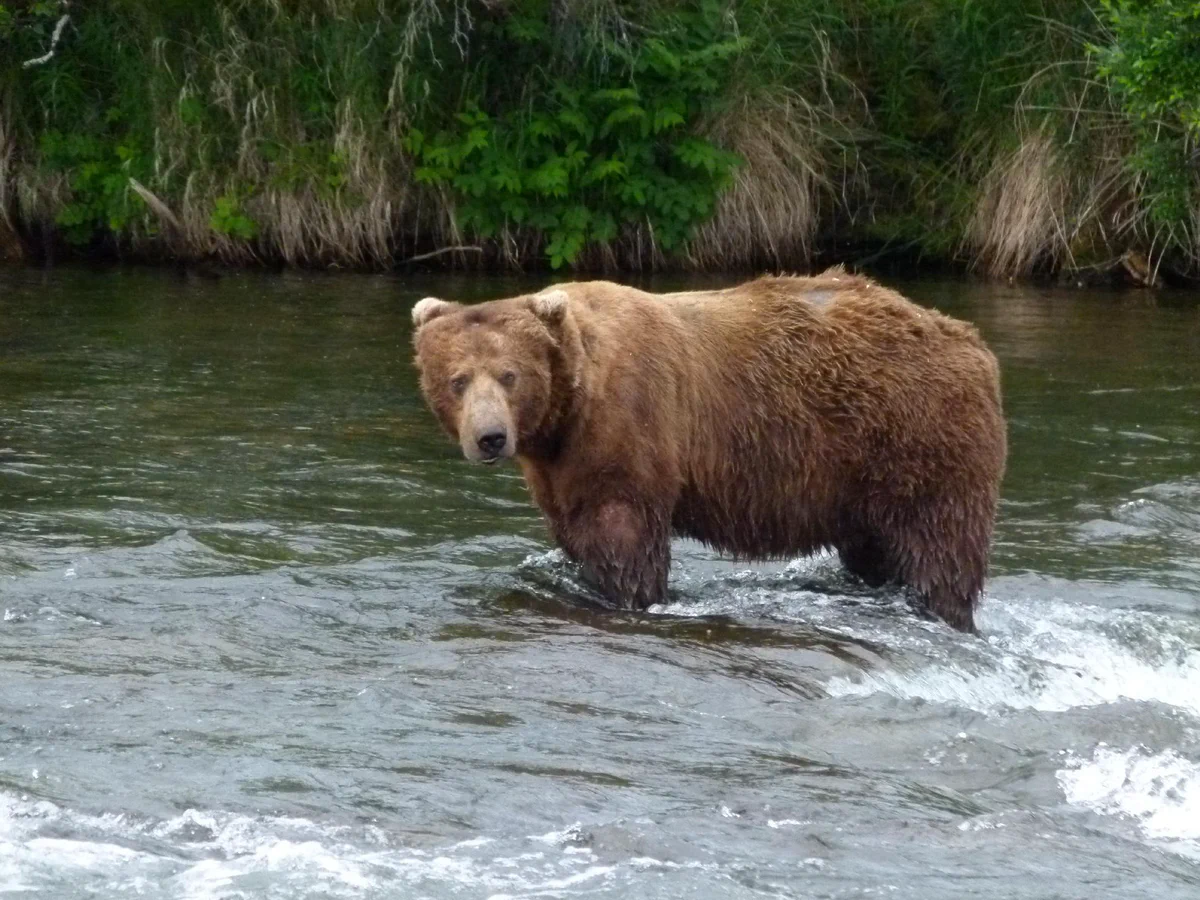
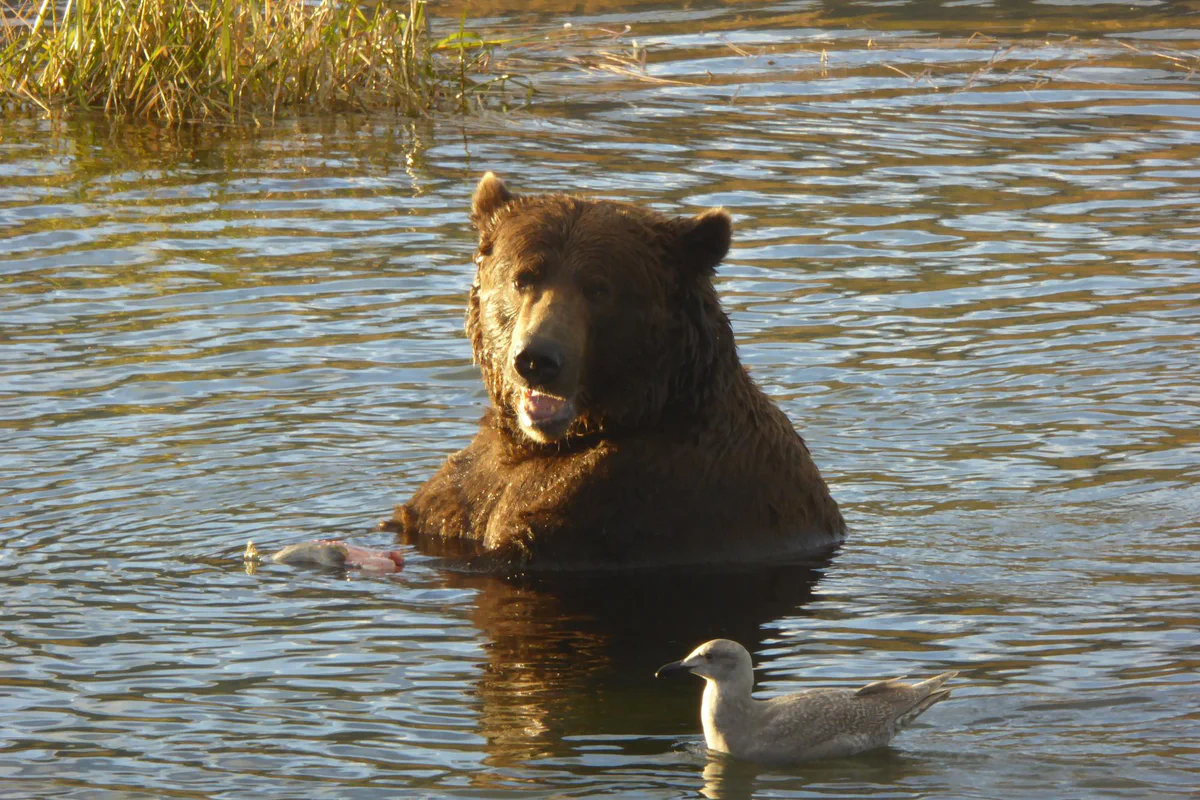
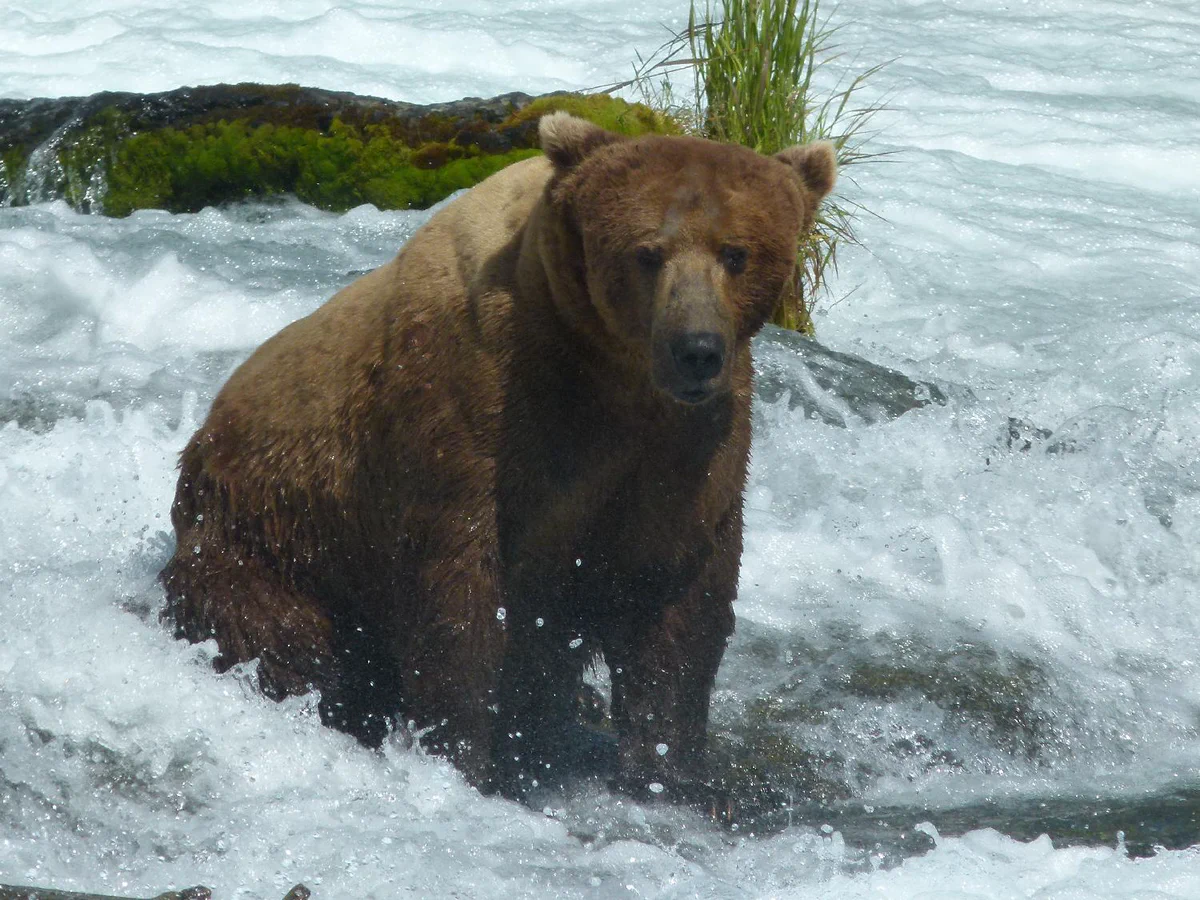
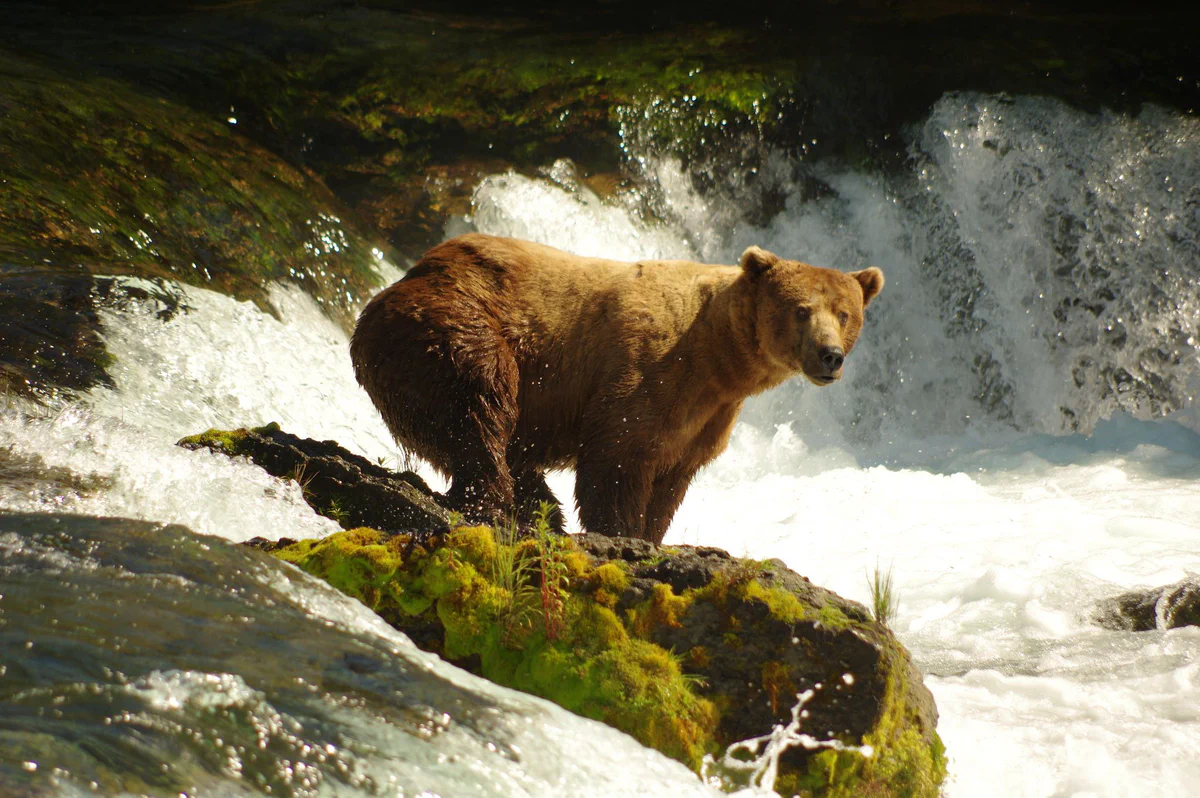
One individual — Chunk (bf32) — across seasons and locations, from the BearID Project.
Recognising a bear takes two steps, each handled by an open-source model.
The first model scans a camera-trap photo and finds the bear’s head, cutting it out and straightening it into a clean, standard view of the face. Getting this right is what makes the matching that follows accurate.
The second model turns each face into a numerical fingerprint — a point in a high-dimensional space where photos of the same bear land close together and different bears land far apart. Identifying a new photo is then simply a matter of finding its nearest neighbours: a strong enough match returns a known individual, while a weak one flags a bear we haven’t seen before, ready to be added.
Camera traps make all of this possible — collecting images day and night, in places from Arctic tundra to temperate forest, without a researcher present and without disturbing the animals.
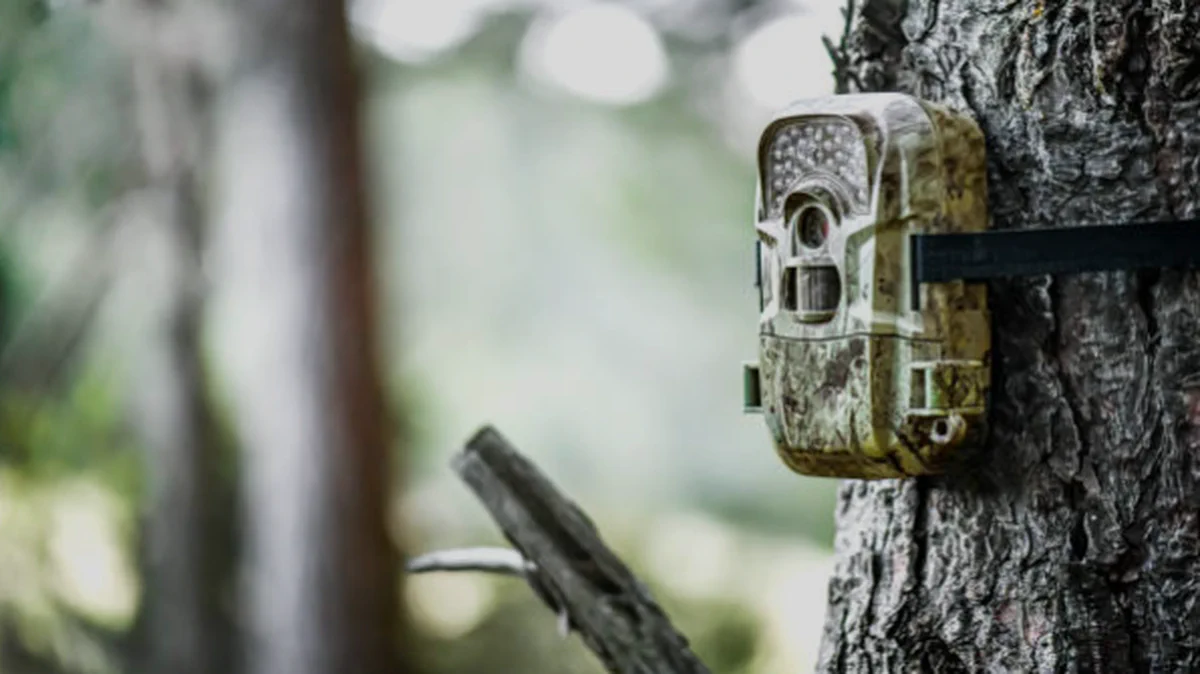
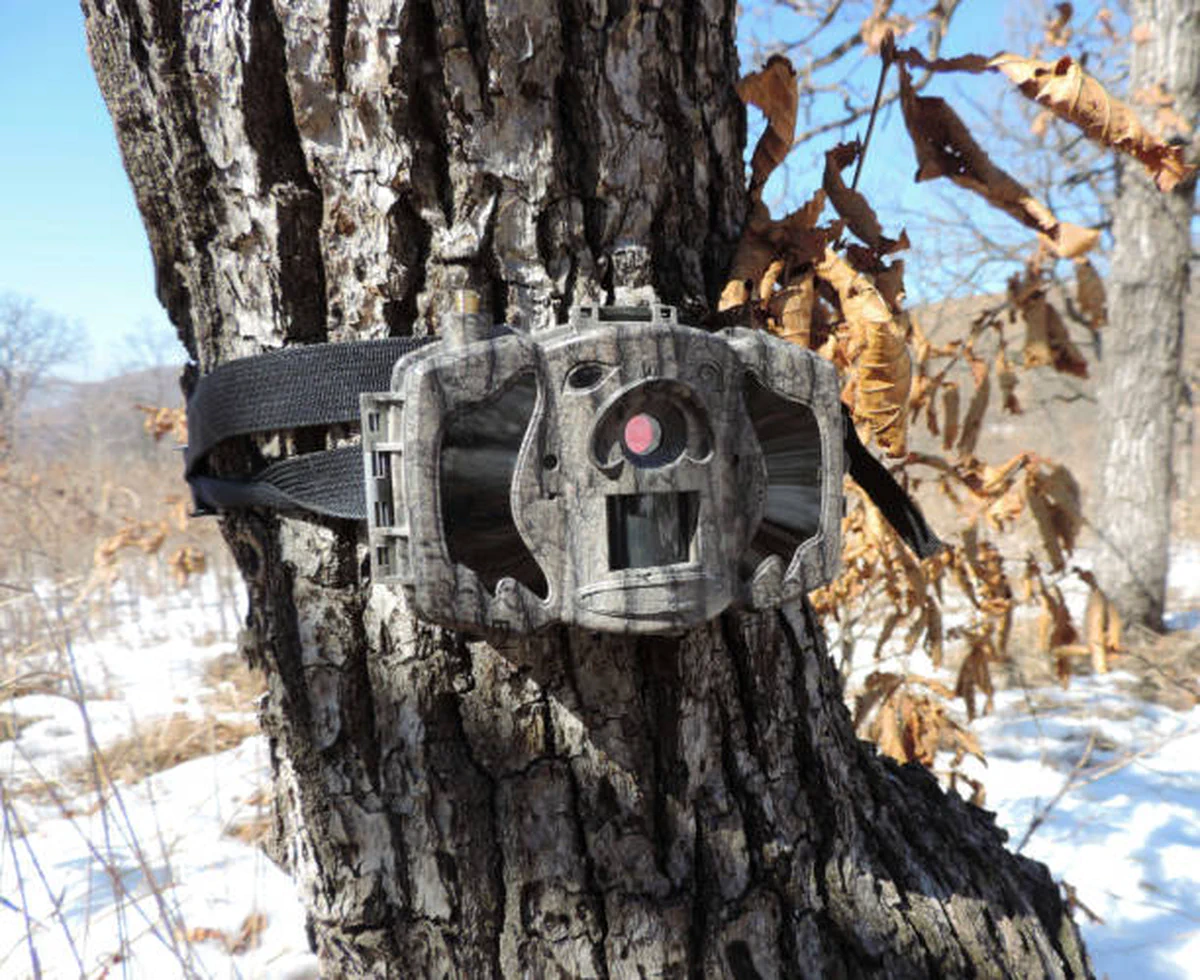
Camera traps collect images non-invasively, day and night, without a researcher present.
Reading a bear by its face turns population monitoring into something non-invasive, repeatable and scalable — gathering the data researchers need without ever tagging or handling an animal. Because the approach is open-source and not specific to bears, it offers a replicable blueprint that can be adapted to other species and strengthen conservation efforts worldwide.
See the model in action right in your browser — try it on the built-in examples or your own data. No install, no setup.
Open the demoWe build conservation technology with partners in the field. Tell us what you're monitoring and we'll tell you what's possible.
Detecting bears in real time using low-power technology.
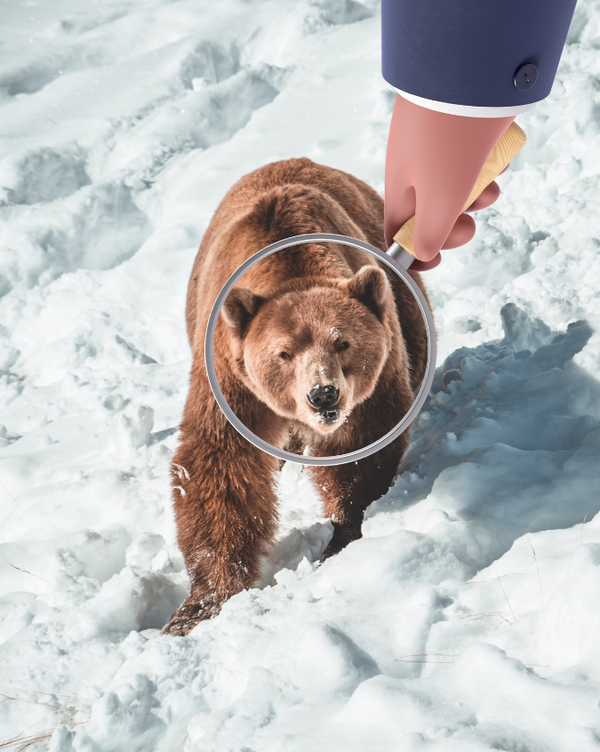
Identify bears with Metric Learning.
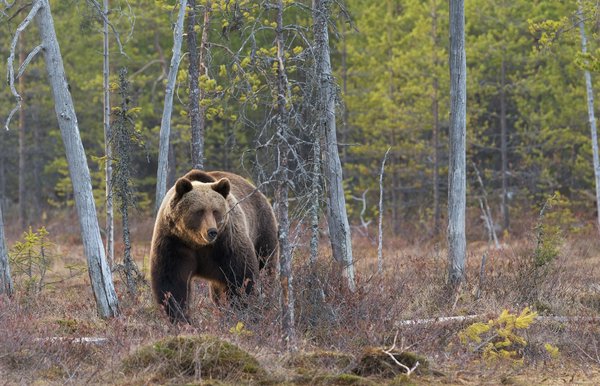
Utilizing low-power technology to detect and deter bears from encroaching on Romanian farms.