

Wadden Sea Seal Monitoring
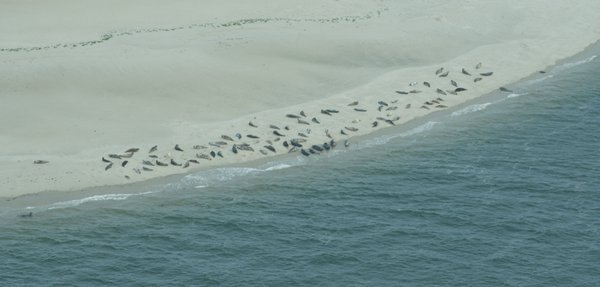
Automated seal population monitoring system using AI to count, classify, and identify individual seals from aerial imagery in the Wadden Sea.

Seeking funding
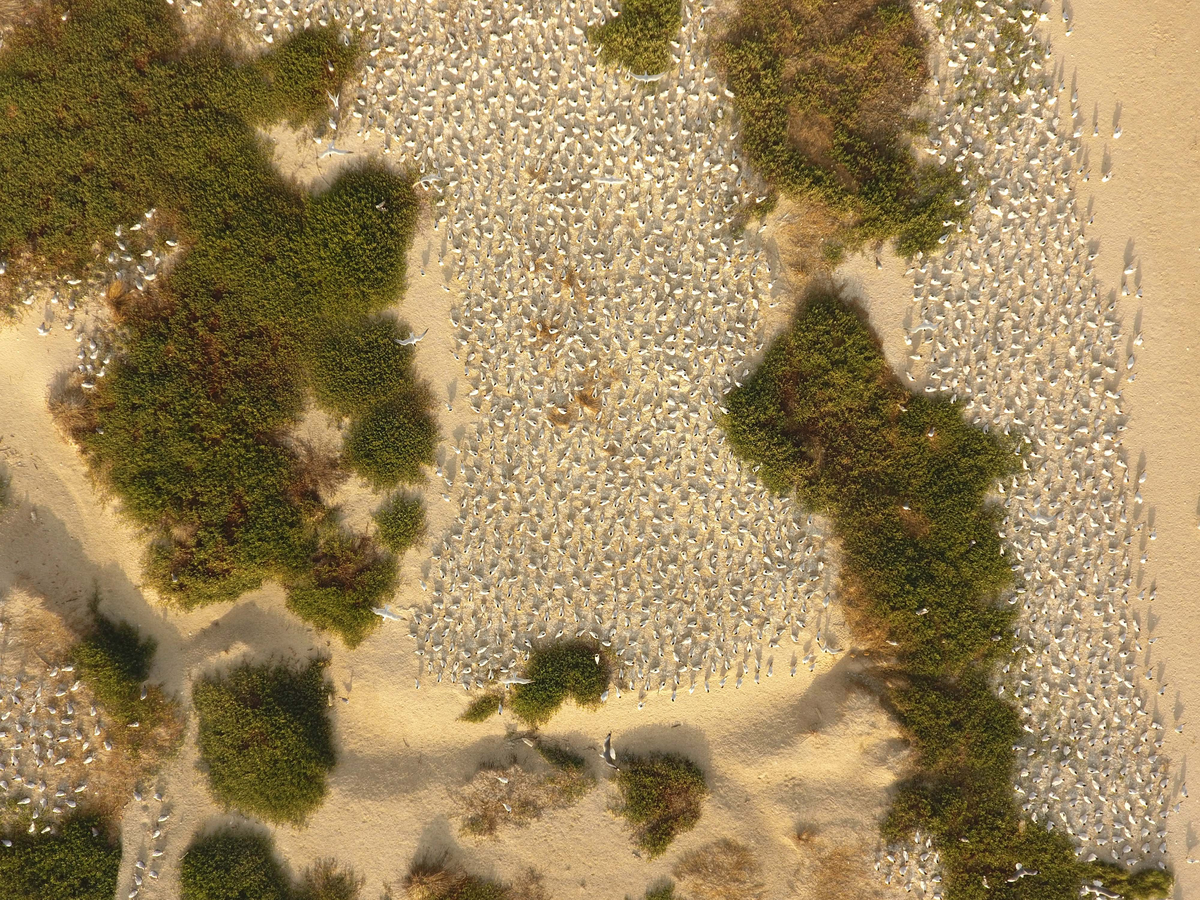
Counting every bird in a seabird colony, alive or lost, from a drone overhead to measure avian flu's toll without setting foot inside.
Many seabirds breed in dense colonies on low-lying sandbanks, beaches and isolated islands, out of reach of ground predators but increasingly exposed to erosion, flooding and a fast-moving new threat: avian influenza. To protect these colonies, conservationists need accurate, up-to-date counts of how many birds are there, and how they are faring. That has always been hard to do without disturbing the very birds you are trying to count.
Together with Lumax AI, we’re building a system that surveys an entire colony from the air and turns the imagery into numbers, counting live and dead adults and chicks to track survival, reproduction, and the toll of bird flu, all without setting foot among the birds.
Seabird colonies are some of the hardest places in conservation to get good numbers from, and bird flu raises the stakes.
Colonies cluster on low-lying sandbanks and islands that rising seas increasingly erode and flood: remote, exposed, and easily damaged.
Walking a colony to count by hand disturbs nesting birds, risks trampling eggs, and is slow, dangerous and rarely complete.
A highly pathogenic outbreak can tear through a colony in days, so counts have to be quick, repeatable and safe to gather often.
Avian influenza is a viral infection of birds that ranges from mild to highly contagious and deadly. When a severe strain reaches a breeding colony, the damage compounds. Tap each to learn more.
Infected birds sicken and die, and in a densely packed colony losses can climb fast.
Sick adults abandon nests or stop feeding their young, so few chicks make it through the season.
Adults pass the virus to their offspring, putting the colony's next generation at risk.
Where highly pathogenic strains take hold, a colony can shrink year after year.
Colonies anchor food webs and nutrient cycling, so their collapse reaches far beyond the birds.
Rather than send people in, we send a drone over the top.
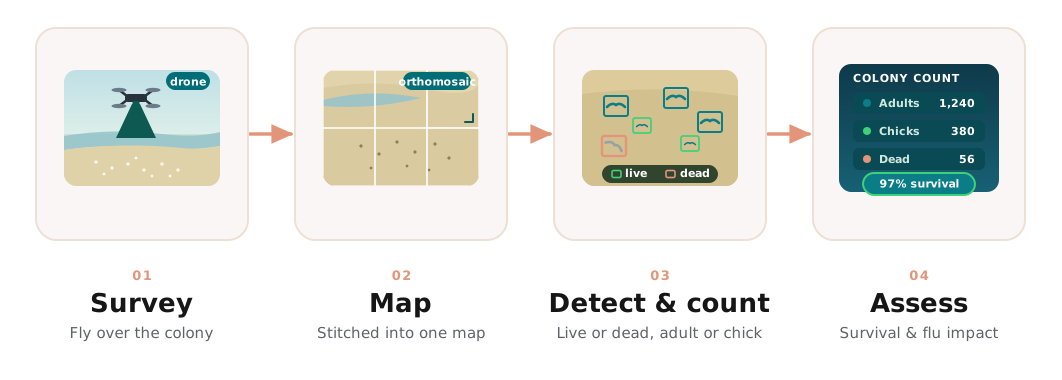 A drone flies the colony, its overlapping photos are stitched into a single
high-resolution map, a computer-vision model finds and classifies every bird,
and the totals reveal how the colony is faring.
A drone flies the colony, its overlapping photos are stitched into a single
high-resolution map, a computer-vision model finds and classifies every bird,
and the totals reveal how the colony is faring.
Flying a fixed grid, the drone captures hundreds of overlapping photos that are stitched into one high-resolution orthomosaic of the colony. A computer-vision model then finds and classifies every bird (live or dead, adult or chick), and the totals reveal both how many birds the colony holds and where an outbreak is biting hardest. Because a survey is fast and disturbs nothing, it can be repeated as often as needed to watch a colony through the breeding season.
Managing bird flu in wild populations relies on surveillance and early detection, followed by measures like quarantine, vaccination where it’s feasible, and occasionally culling to slow the spread. None of it works without good data. Fast, repeatable, non-invasive counts give conservationists the early warning and the population picture they need to act, and to understand how avian influenza moves through wild colonies over time.
Tell us this is the work you want to back, and we'll share the full scope, the budget, and what your support unlocks.

Automated seal population monitoring system using AI to count, classify, and identify individual seals from aerial imagery in the Wadden Sea.
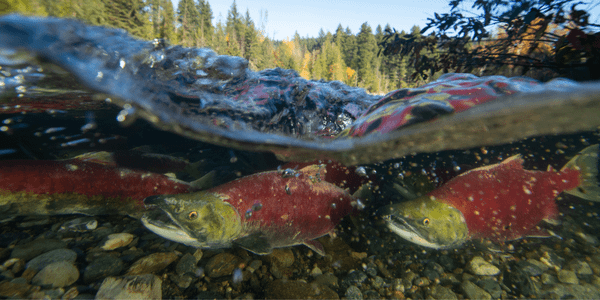
The project monitors wild salmon migration to ensure the number passing through meets state regulations, addressing threats from human activities like fisheries and dams.
Re-identifying individual seals by their whisker and face patterns, non-invasively and across seasons.