


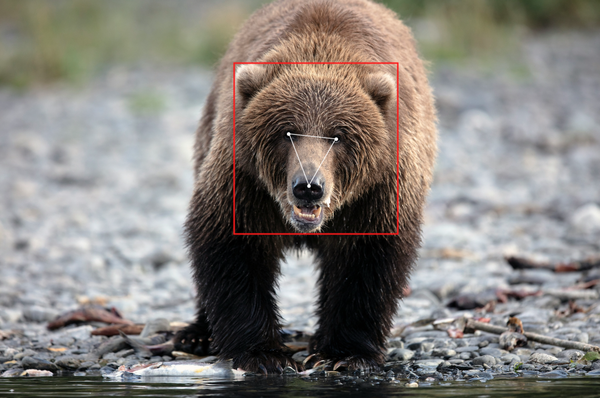
Bear Identification
Noninvasive technologies to identify and monitor bears, facilitating their conservation.
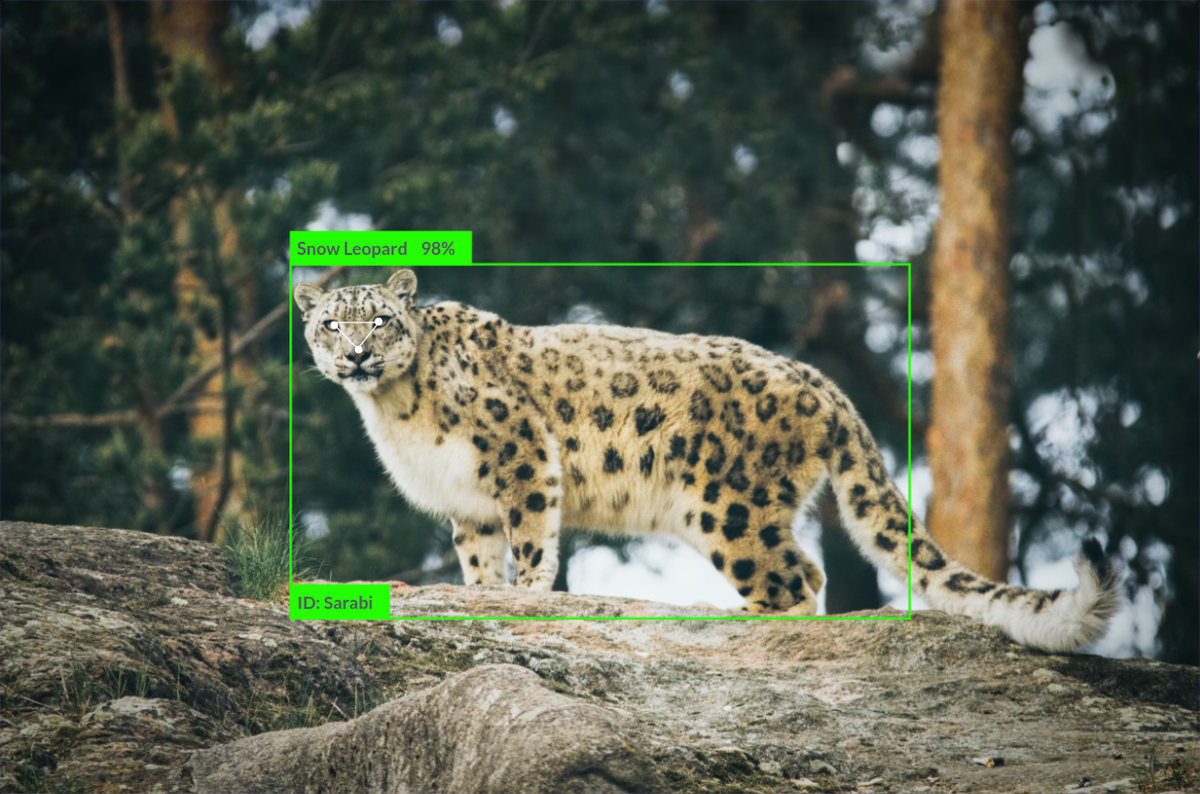


Identifying individual snow leopards in camera-trap photos to track a population almost no one ever sees.
Snow leopards are among the most elusive animals on Earth: solitary, superbly camouflaged, and scattered across some of the highest, most remote mountains in Central and South Asia. Only an estimated 4,000–7,500 remain in the wild, and their numbers are notoriously hard to pin down: you can spend a whole season in the field and never see one.
Conservationists rely on camera traps instead, rugged cameras that quietly photograph wildlife around the clock. But a season’s traps produce gigabytes of images, and turning those photos into population figures by hand is slow, painstaking work.
A single cat shapes the whole mountain. As the top predator of the high ranges, the snow leopard helps hold its ecosystem together.
As the top predator of the high mountains, snow leopards keep blue sheep, ibex and other ungulates in balance, preventing the overgrazing that would degrade fragile alpine vegetation.
A healthy snow leopard population signals a healthy mountain ecosystem. Protecting the vast ranges they need shelters countless other species at the same time.
Charismatic and iconic, the snow leopard is a flagship for Central Asian conservation, and holds deep spiritual significance for the communities who share its range.
Snow leopard numbers have fallen for decades under several pressures at once, most of them driven directly or indirectly by people. Tap each to learn more.
Snow leopards are hunted for their fur and bones for the illegal wildlife trade, with organised networks operating in the remote ranges where law enforcement is thinnest.
When snow leopards prey on livestock, herders may kill them in return, a conflict that sharpens as wild prey grows scarce.
Overhunting, habitat loss and competition with livestock thin out the wild ibex and blue sheep snow leopards rely on, pushing the cats toward livestock.
Roads, mines, hydropower and overgrazing carve up the alpine habitat, isolating populations and making it harder for cats to find mates.
Warming pushes treelines and suitable habitat upslope, shrinking the alpine zone and forcing snow leopards closer to people.

Snow leopards depend on wild ungulates and small mountain mammals, prey that is itself squeezed by hunting, habitat loss and competition with livestock.
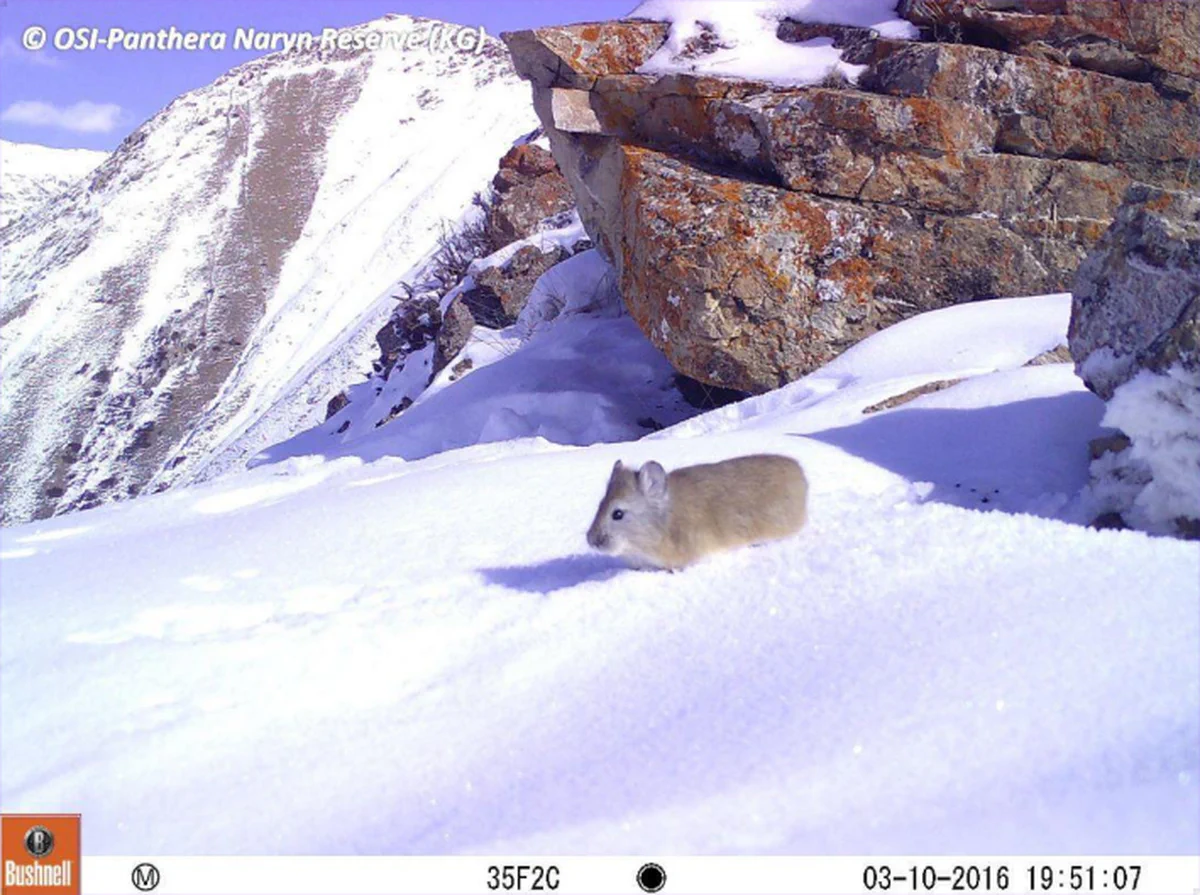
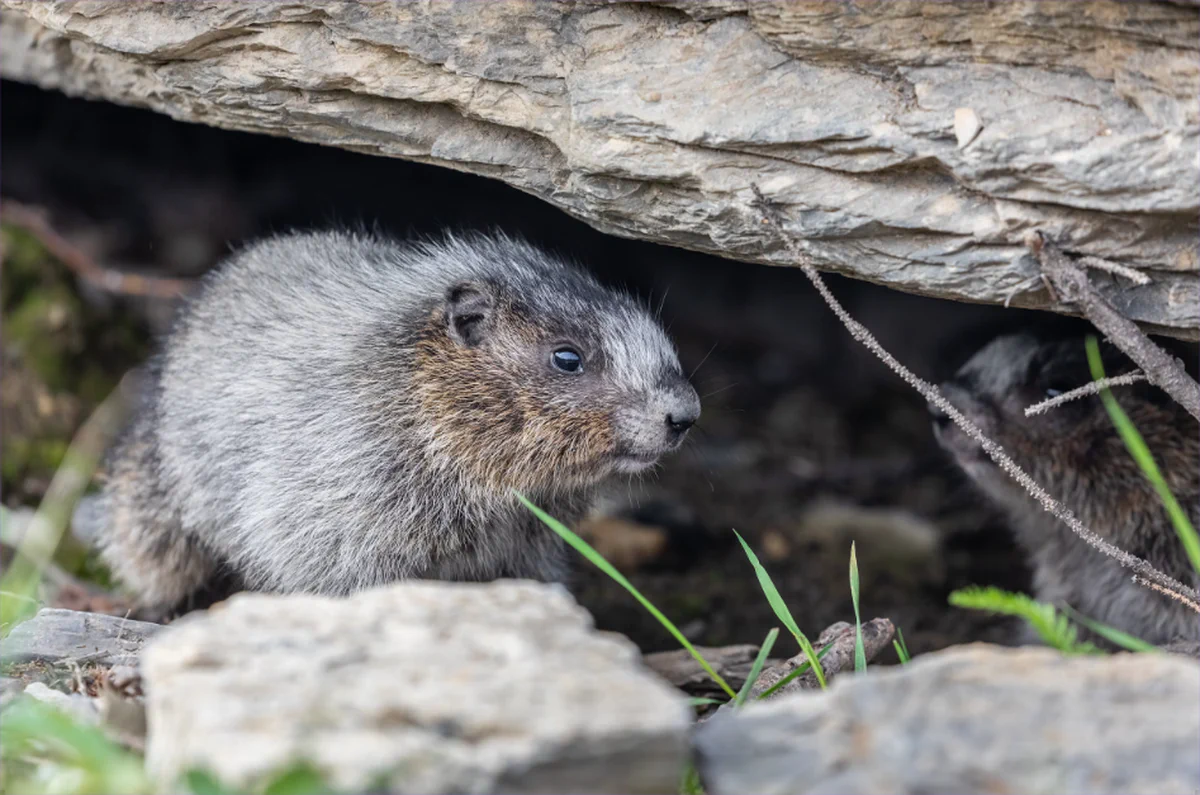
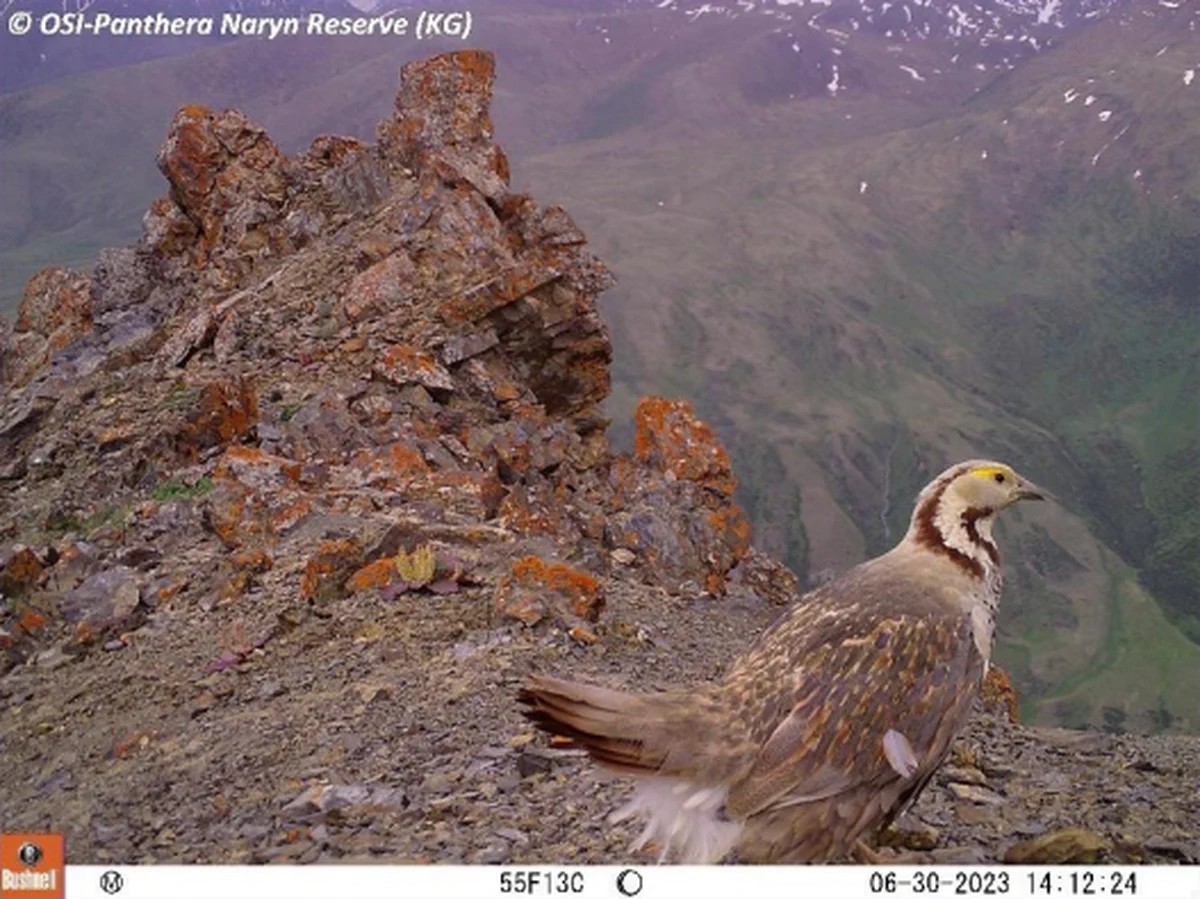
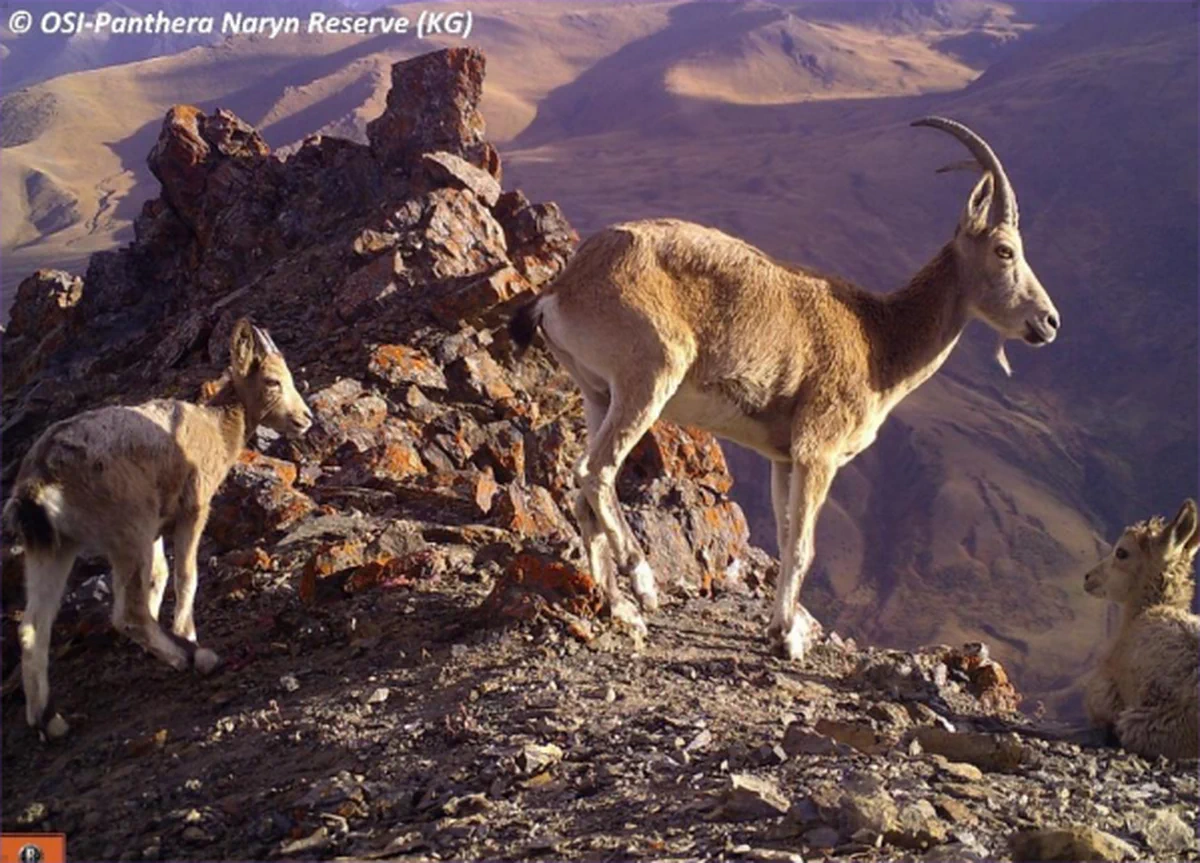
We’re partnering with OSI Panthera, an NGO that runs citizen-science expeditions in Central Asia to study and protect the snow leopard (Panthera uncia), an umbrella species for the region’s ecosystems. The expeditions also carry a strong educational mission, bringing local and international participants into the field to record snow leopards alongside other carnivores, ungulates and birds.
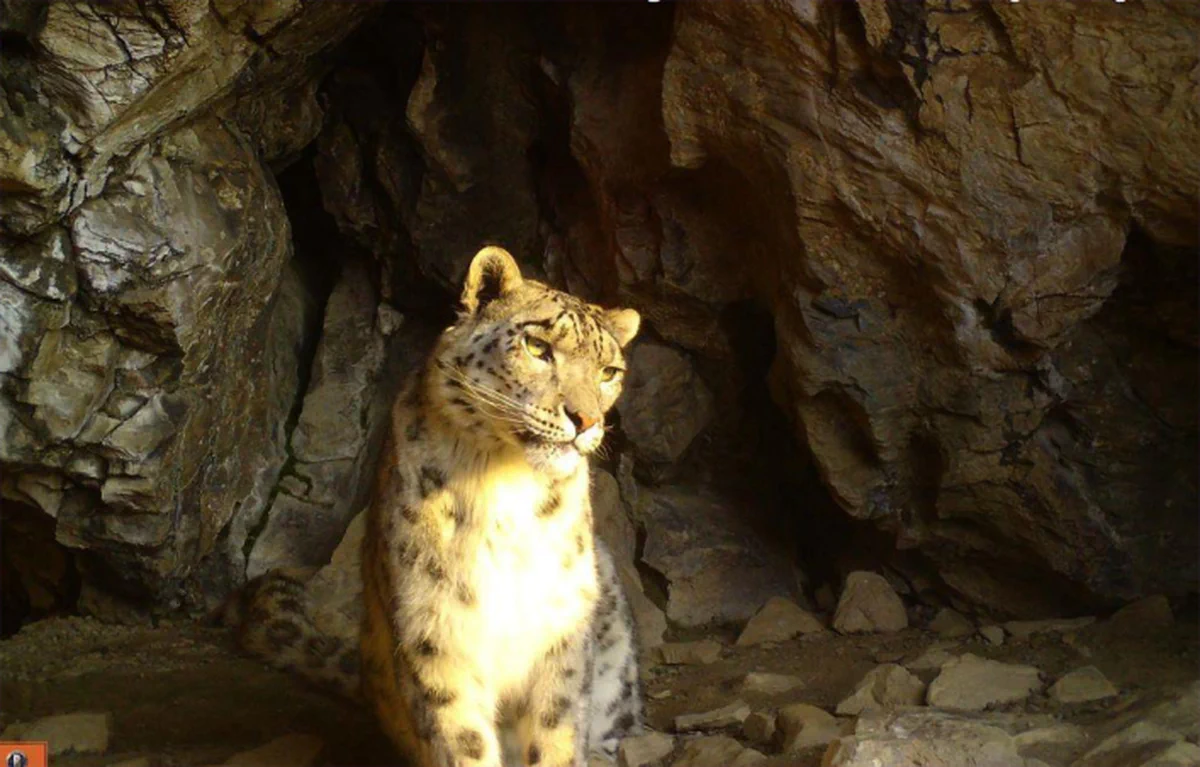
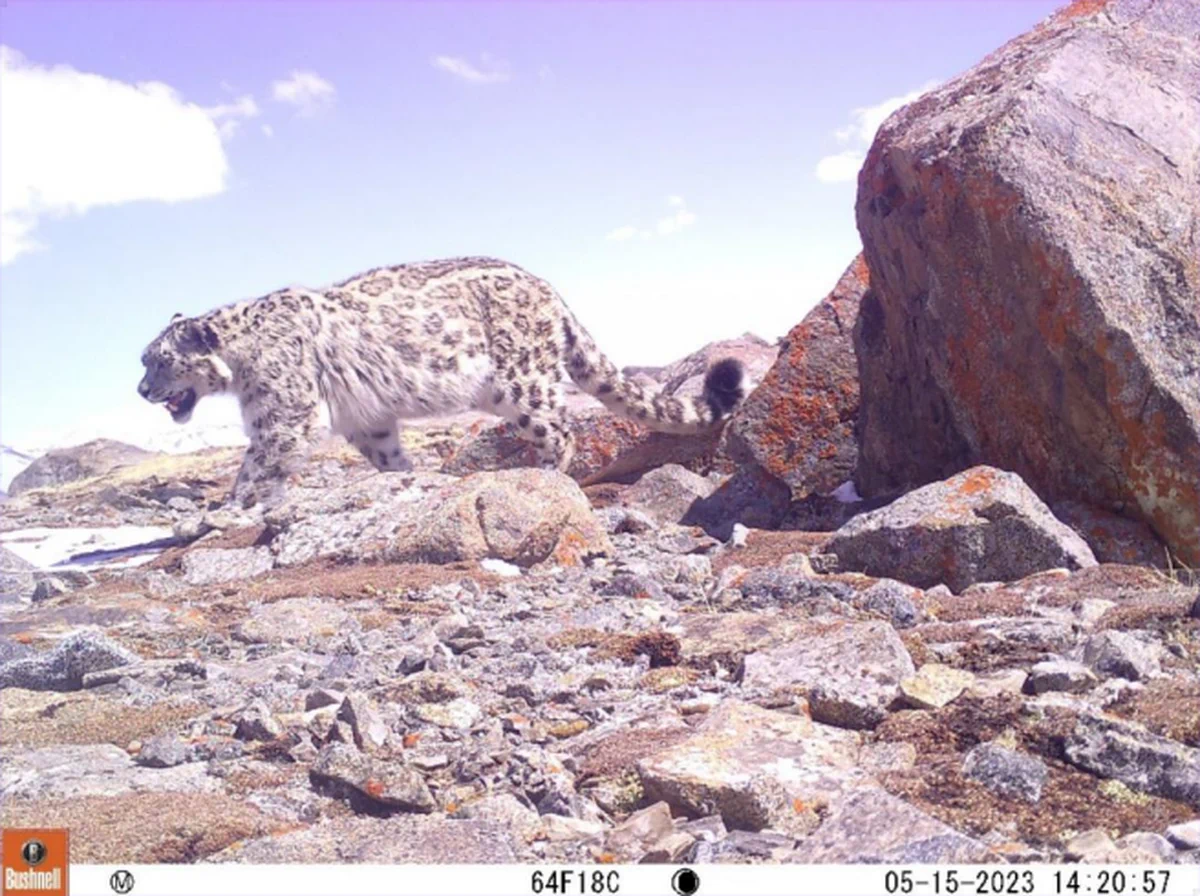
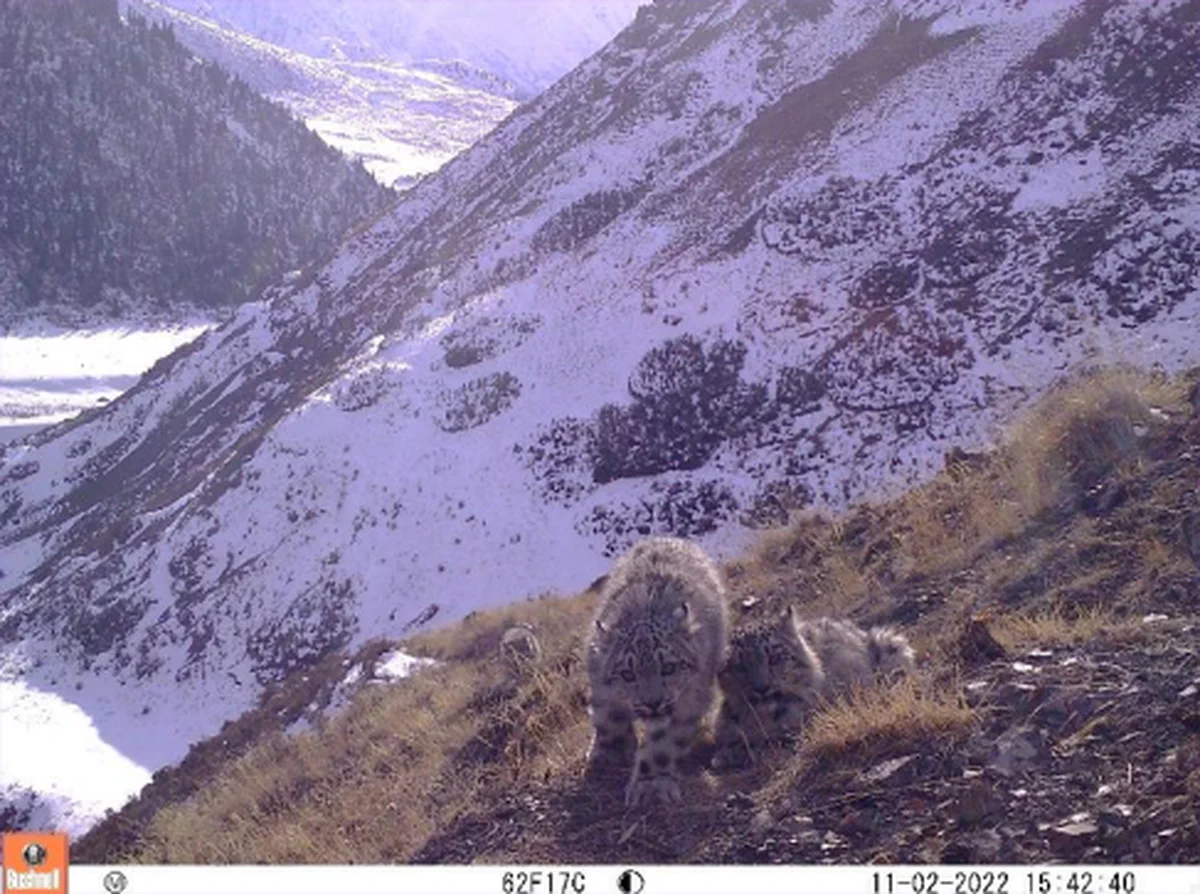
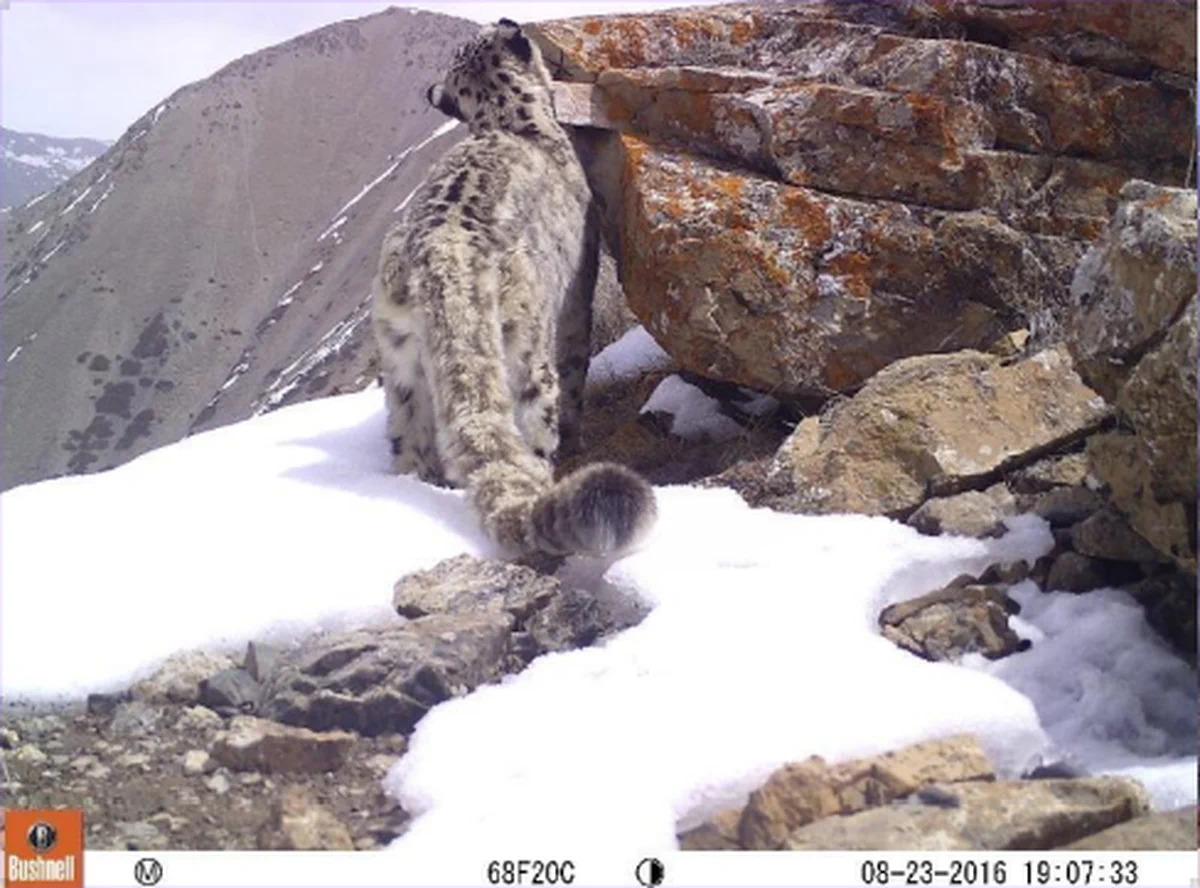
The work centres on the Shamshy and Chon Jarguilchak valleys in Kyrgyzstan’s Naryn State Reserve, in close collaboration with the Snow Leopard Foundation in Kyrgyzstan, the local arm of the Snow Leopard Trust, and with Kyrgyz guides, translators and students.

Expeditions also document the wider community of species that share the snow leopard’s range:
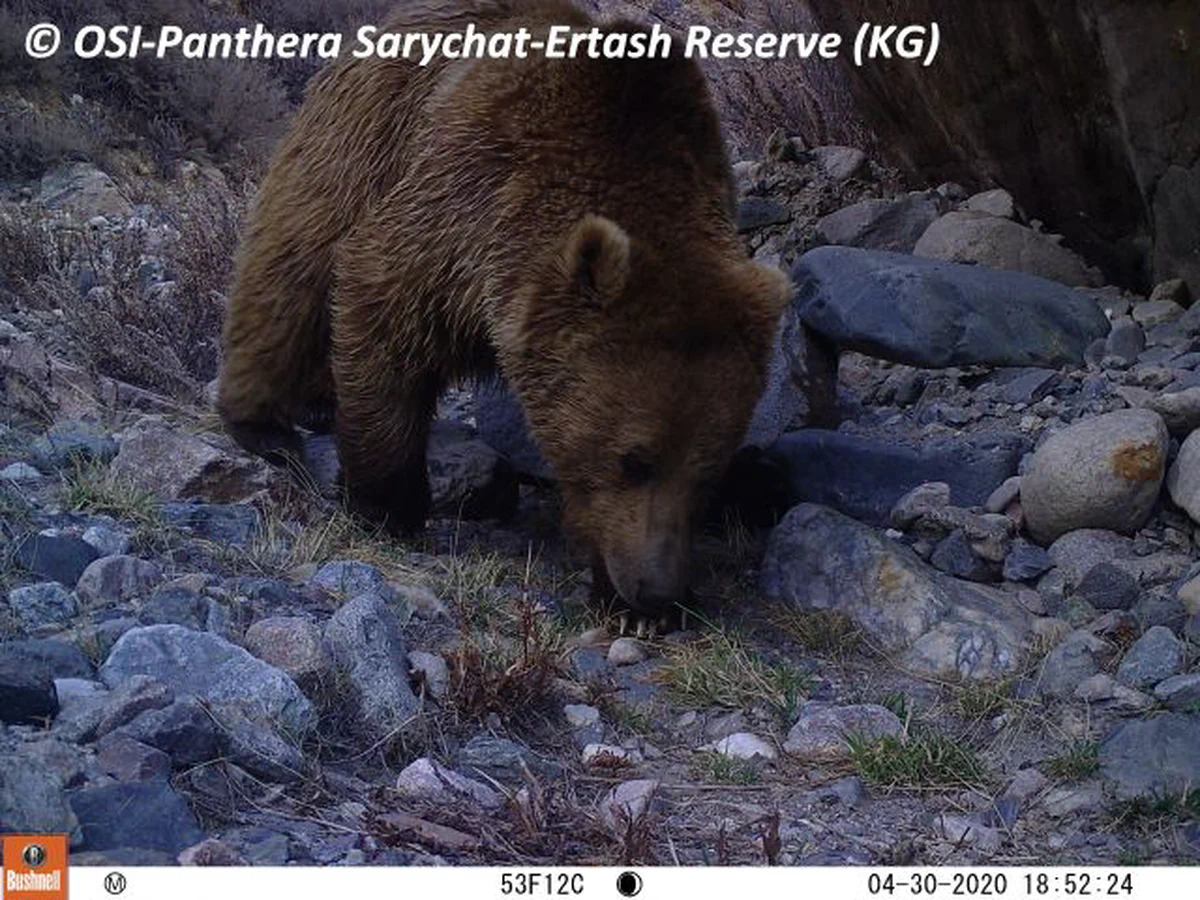
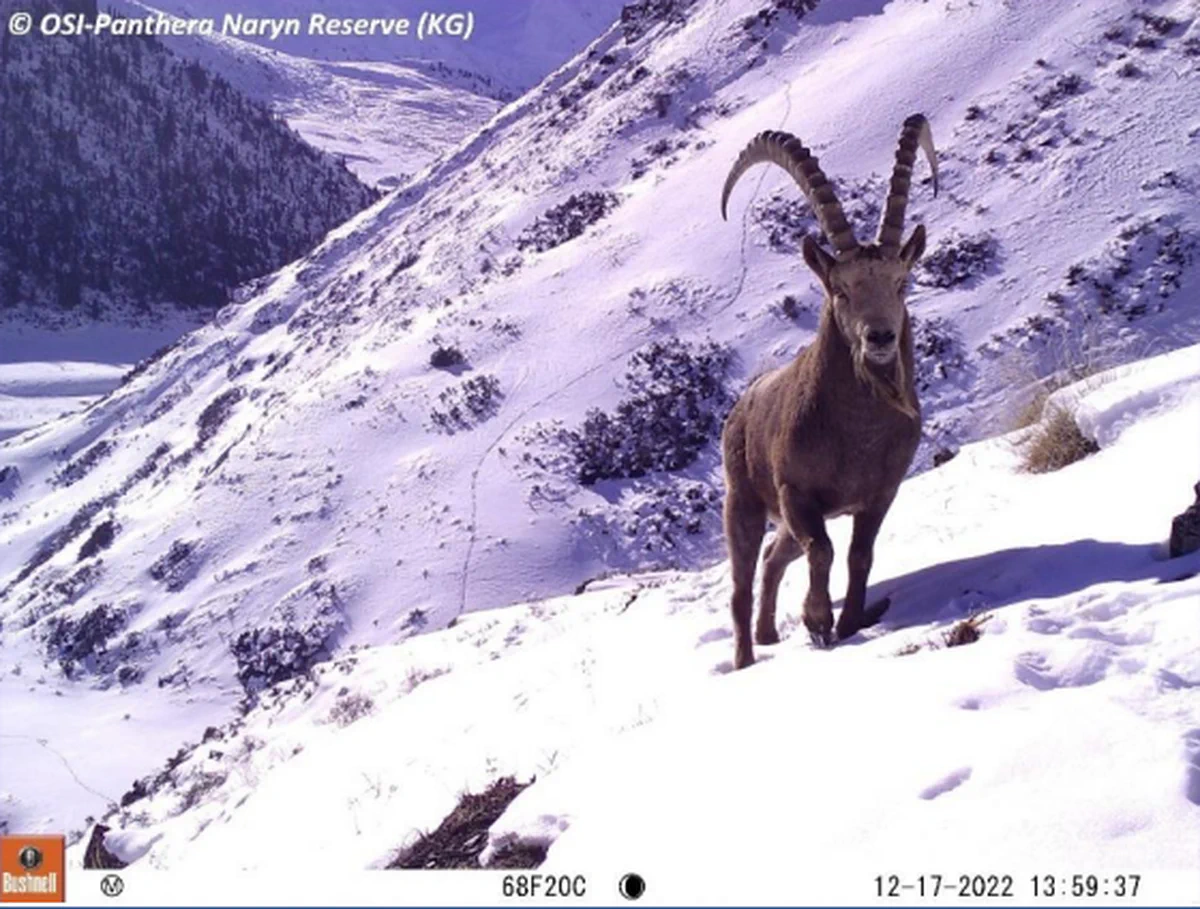
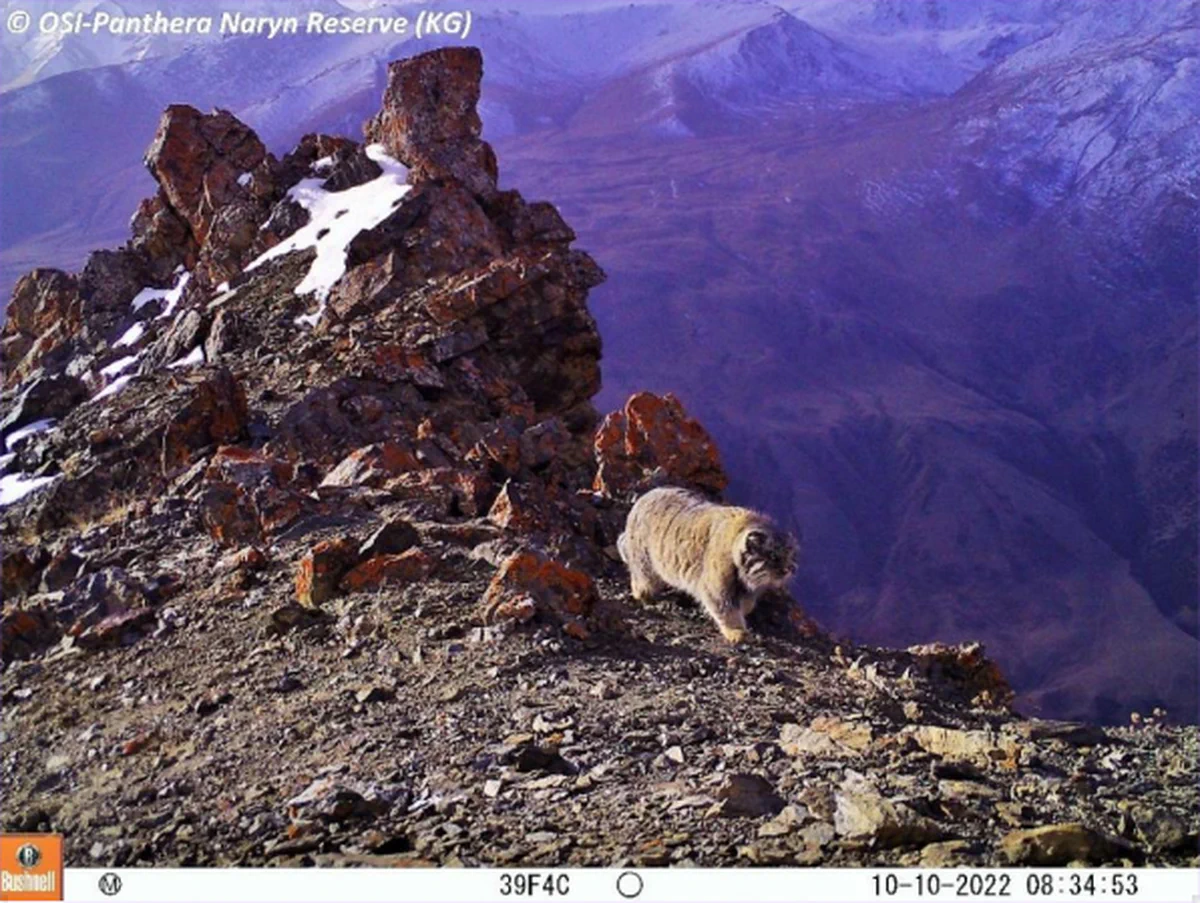
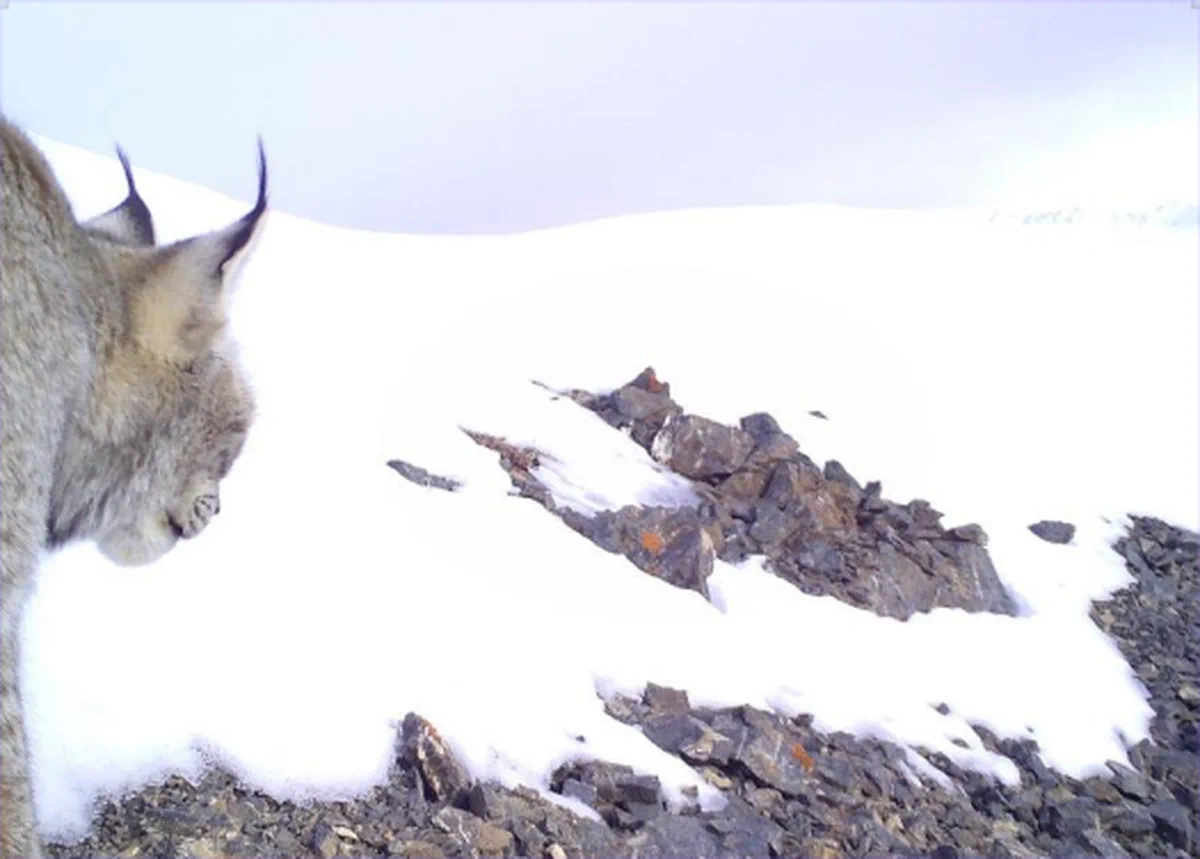
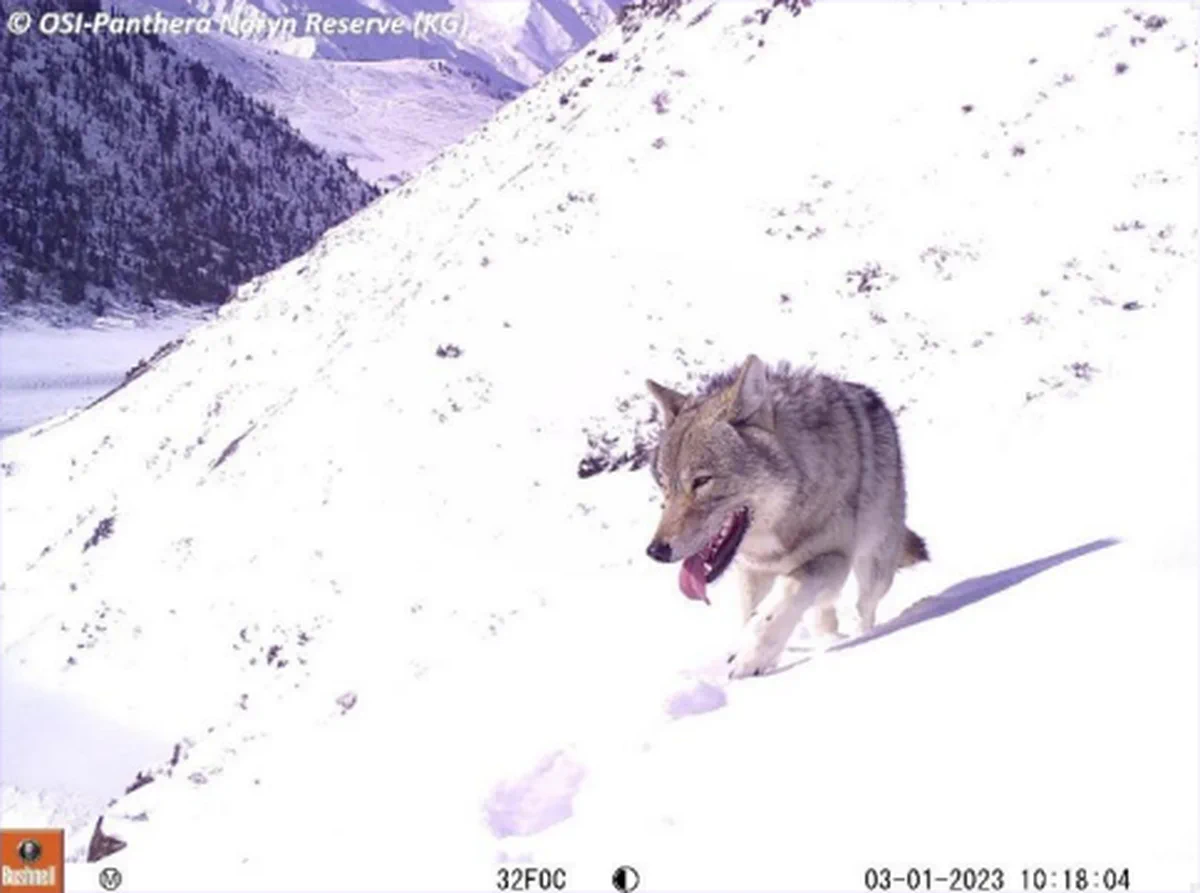
OSI Panthera deploys camera traps across the reserve to monitor wildlife and track population trends. Each year the footage is collected and sorted by hand: gigabytes of images, combed through to tell one Himalayan species from another. We’re building open-source tools to make that faster and more reliable, useful to any group working with camera-trap data.
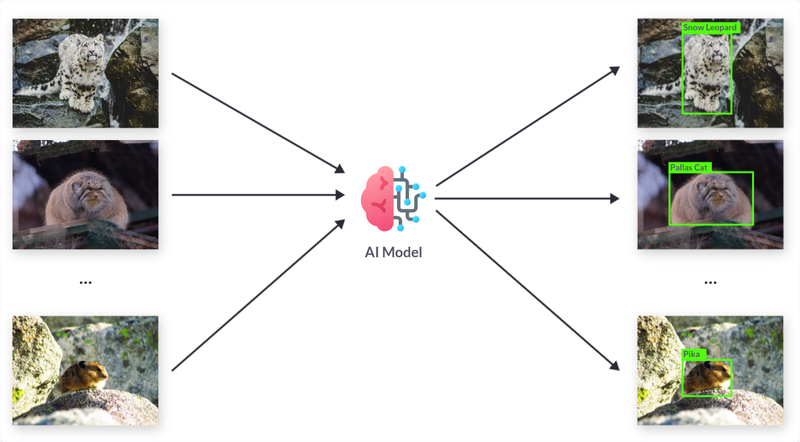
An open-source model that detects and labels the species in each frame (grey wolf, Pallas’s cat, brown bear, pika, ibex, snow leopard and more) so a season’s images can be triaged in hours instead of weeks. It’s built to be shared with other NGOs working in comparable ranges.
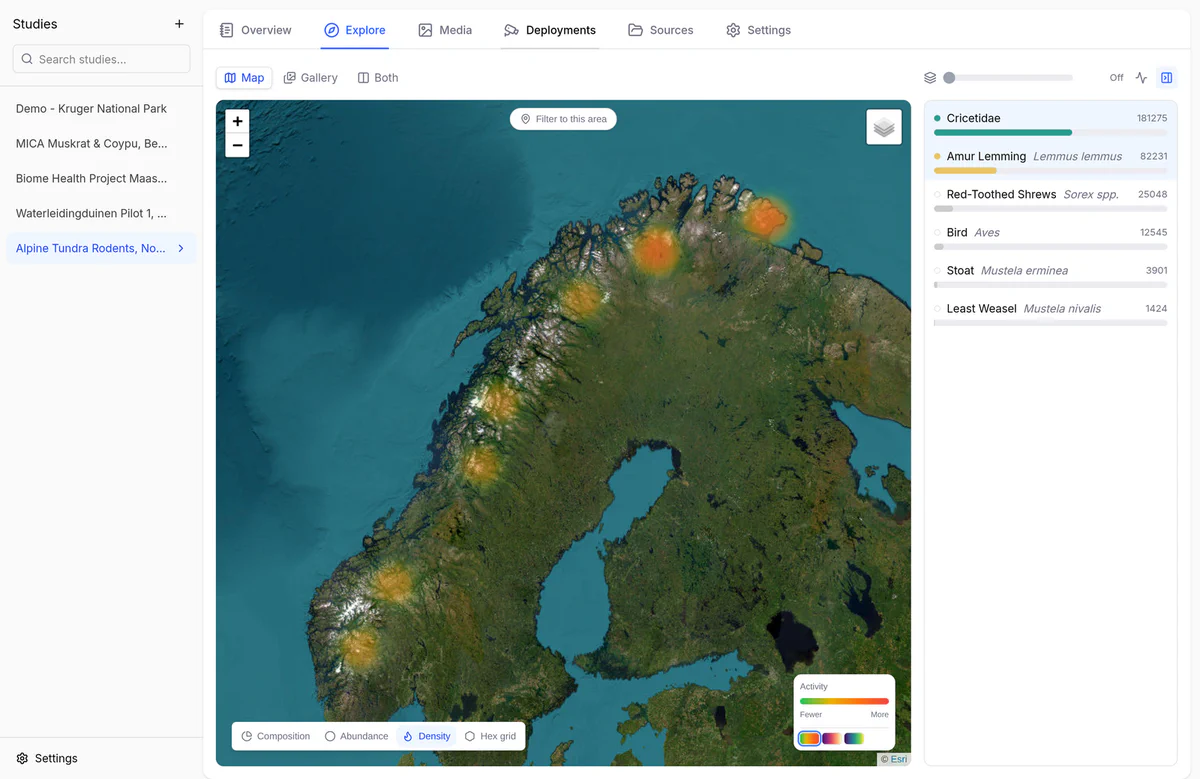
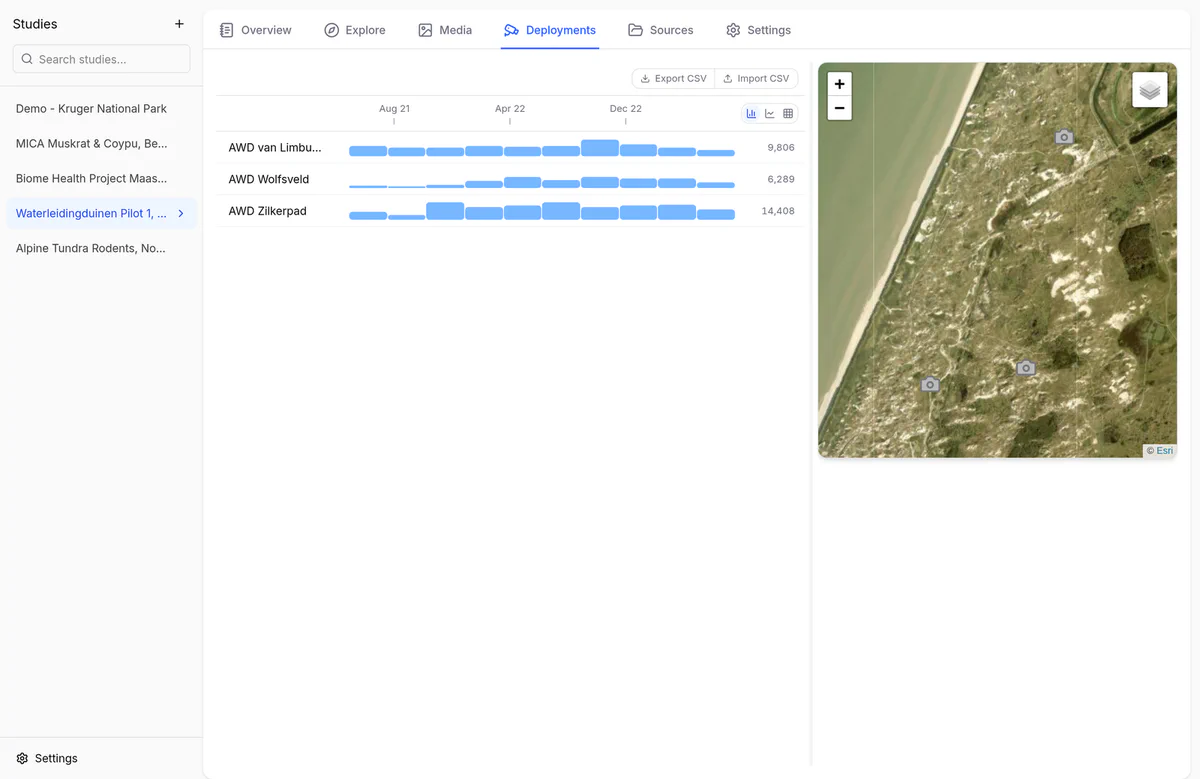
Classifying species is only half the job. You still have to make sense of the results: where animals turn up, how they move, and how numbers shift across seasons. The prototype we built for exactly this need grew into BioWatch, a free, open-source desktop app that plots detections on an interactive map, filters by species, and charts activity over time. It runs entirely offline on Windows, macOS and Linux, works with any camera-trap dataset, and keeps your sensitive wildlife data on your own machine. A full online manual walks through every feature.


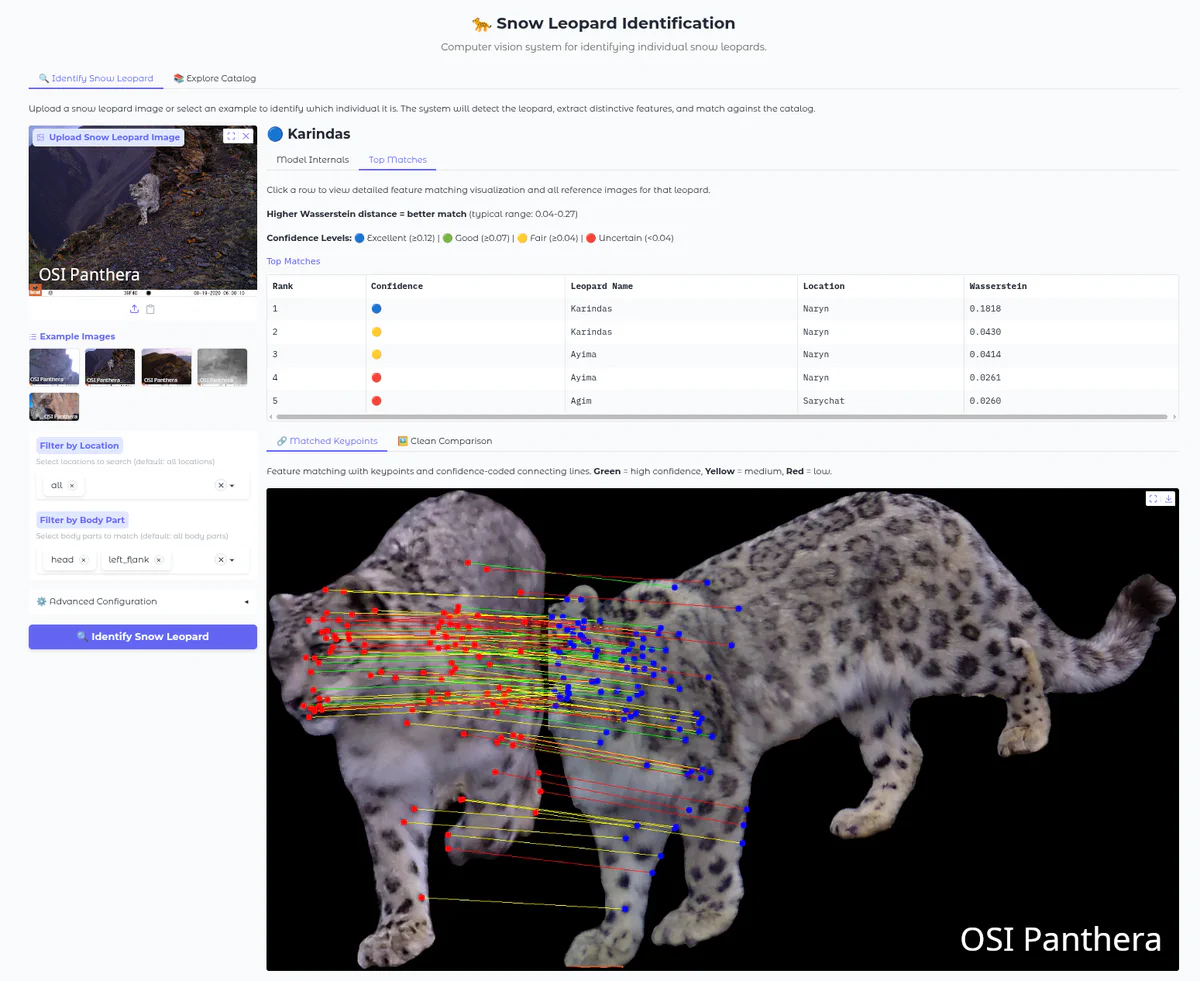
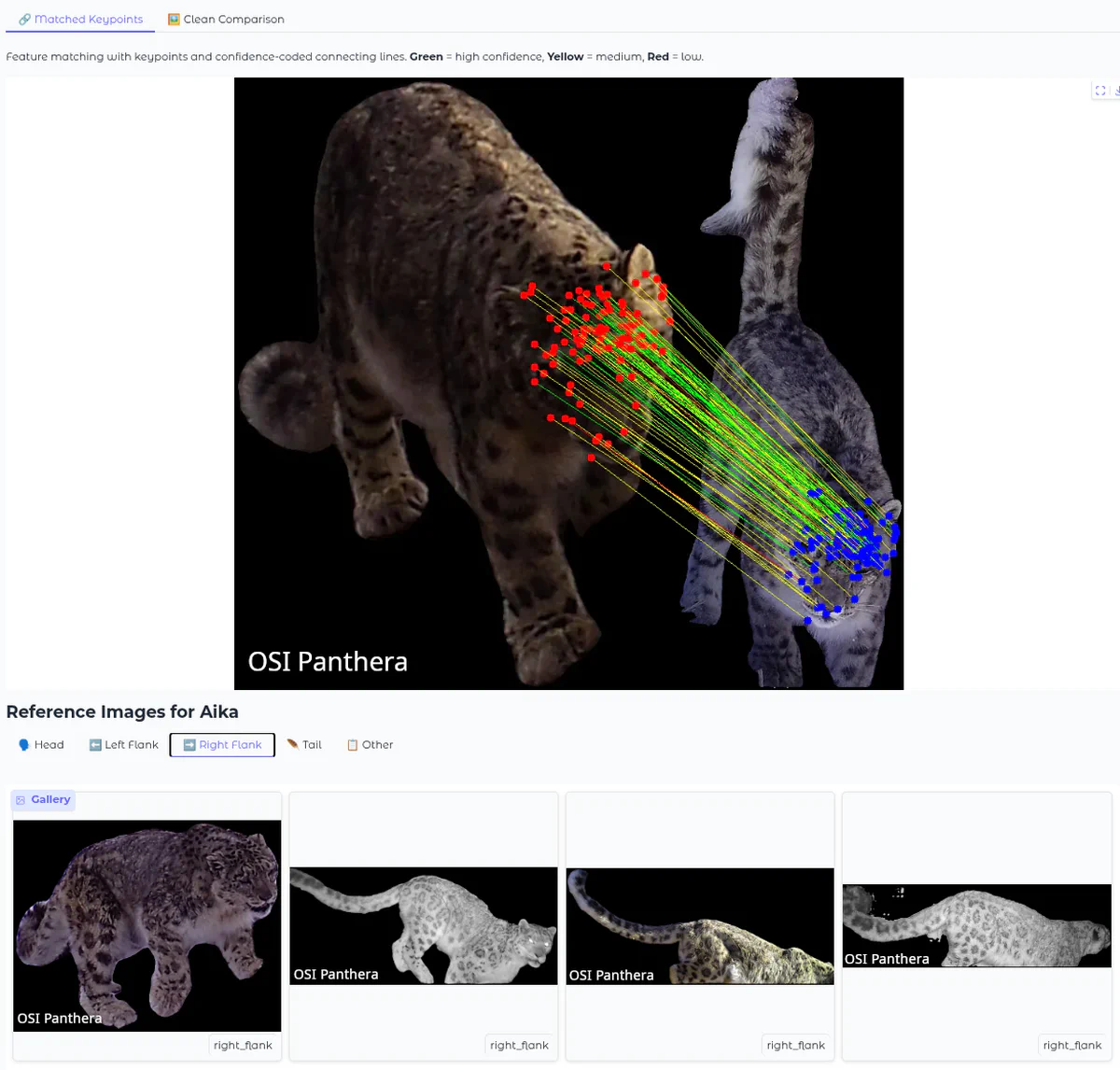
Every snow leopard carries a unique pattern of rosettes and spots, a natural fingerprint. Matching those patterns across sightings is how you count individuals, and it has traditionally been slow, error-prone manual work. Today this runs through local feature matching: keypoints from a query photo are matched against a catalogue to find the same cat across different sightings. It’s built into our Animal reID tool, which works across spot- and stripe-patterned species.
Simple, open computer-vision tools turn a camera-trap backlog into timely insight: where species are, how they move, and how populations change over time. For a cat as rare and hard to find as the snow leopard, that means better-informed protection, and a method other conservation teams across the high mountains of Asia can pick up and reuse.
Tell us this is the work you want to back, and we'll share the full scope, the budget, and what your support unlocks.

Noninvasive technologies to identify and monitor bears, facilitating their conservation.
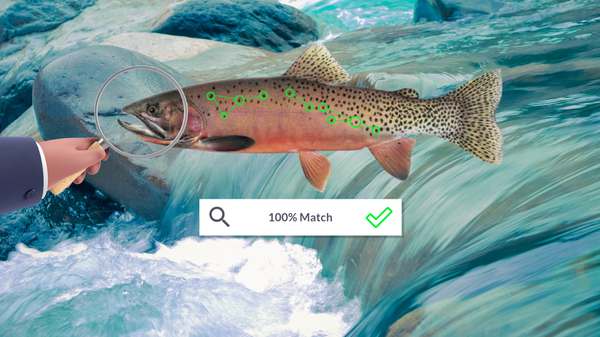
Non-invasive technology for monitoring trout populations using computer vision to accurately identify individual fish.
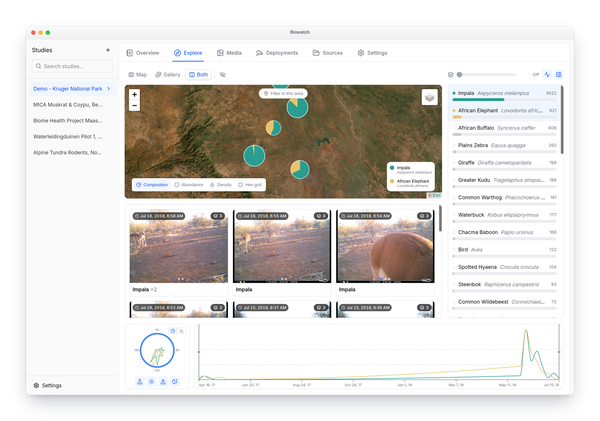
A free, open-source desktop application for visualizing camera trap data to support conservation efforts.
Identifying individual snow leopards by their coat patterns to support conservation across Central Asia.
Facial recognition that tells individual bears apart from photos, tracking British Columbia's black bear population over time.
Reading the spot patterns on trout to identify individual fish, a non-invasive way to monitor populations.
An intuition-first, visual guide to metric learning and how machines learn to tell individual animals apart for conservation re-identification.
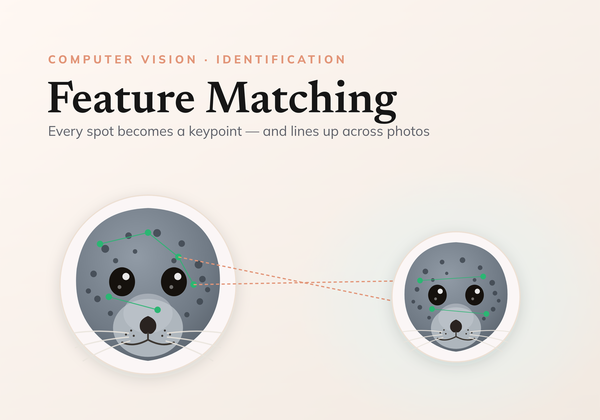
A comprehensive examination of using local feature matching for individual identification.
An in-depth look at the common preprocessing stages required to perform identification using computer vision.