


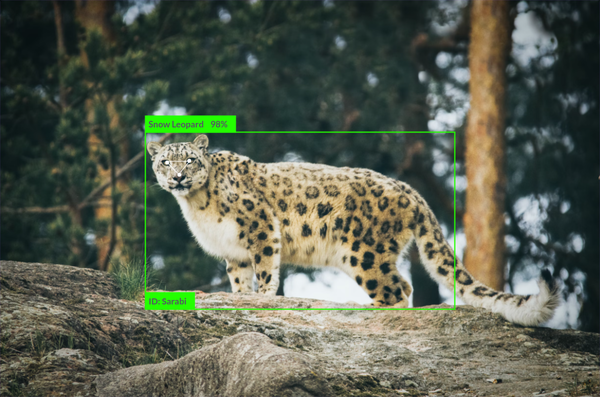
Snow Leopard Monitoring
Non-invasive snow leopard monitoring using computer vision analysis of camera trap photos to identify individual animals.
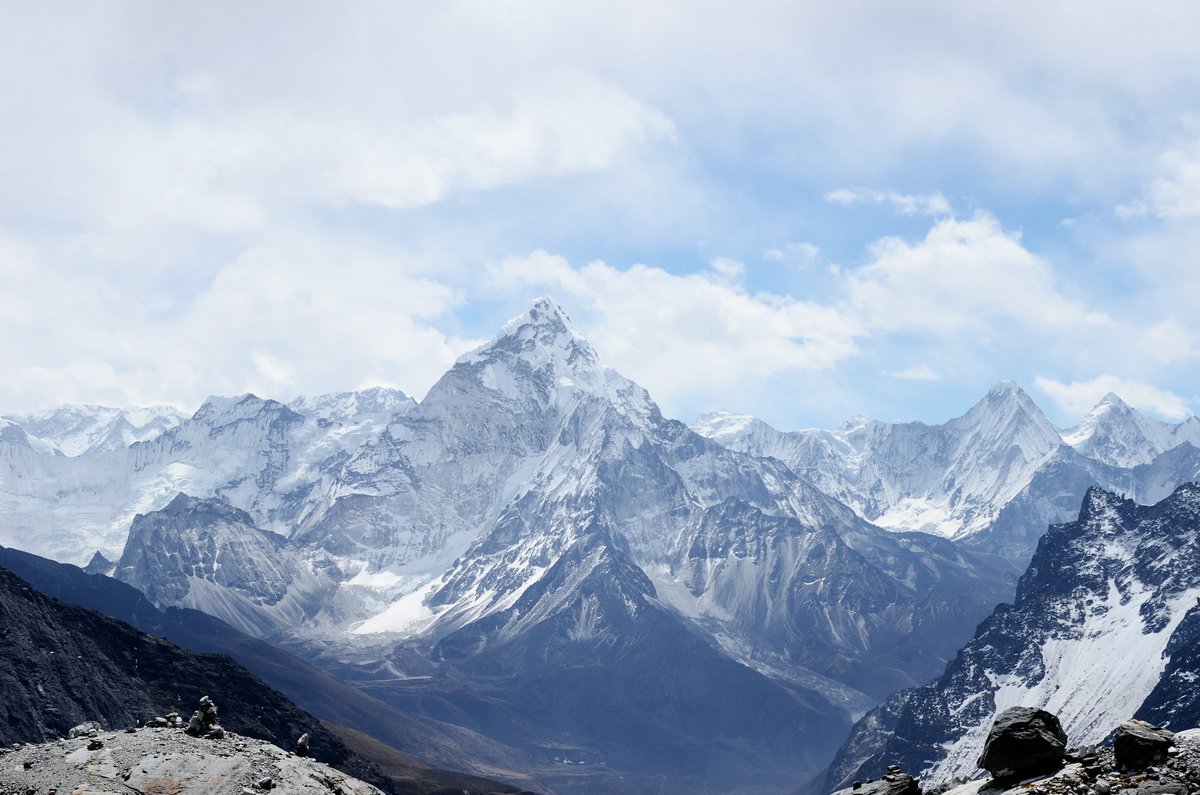
Mountains cover 24% of Earth’s land, and more than half of humanity depends on them for water.1 Climb high enough and the world changes every few hundred metres, with plants and animals stacked in bands, each adapted to its own slice of altitude.1
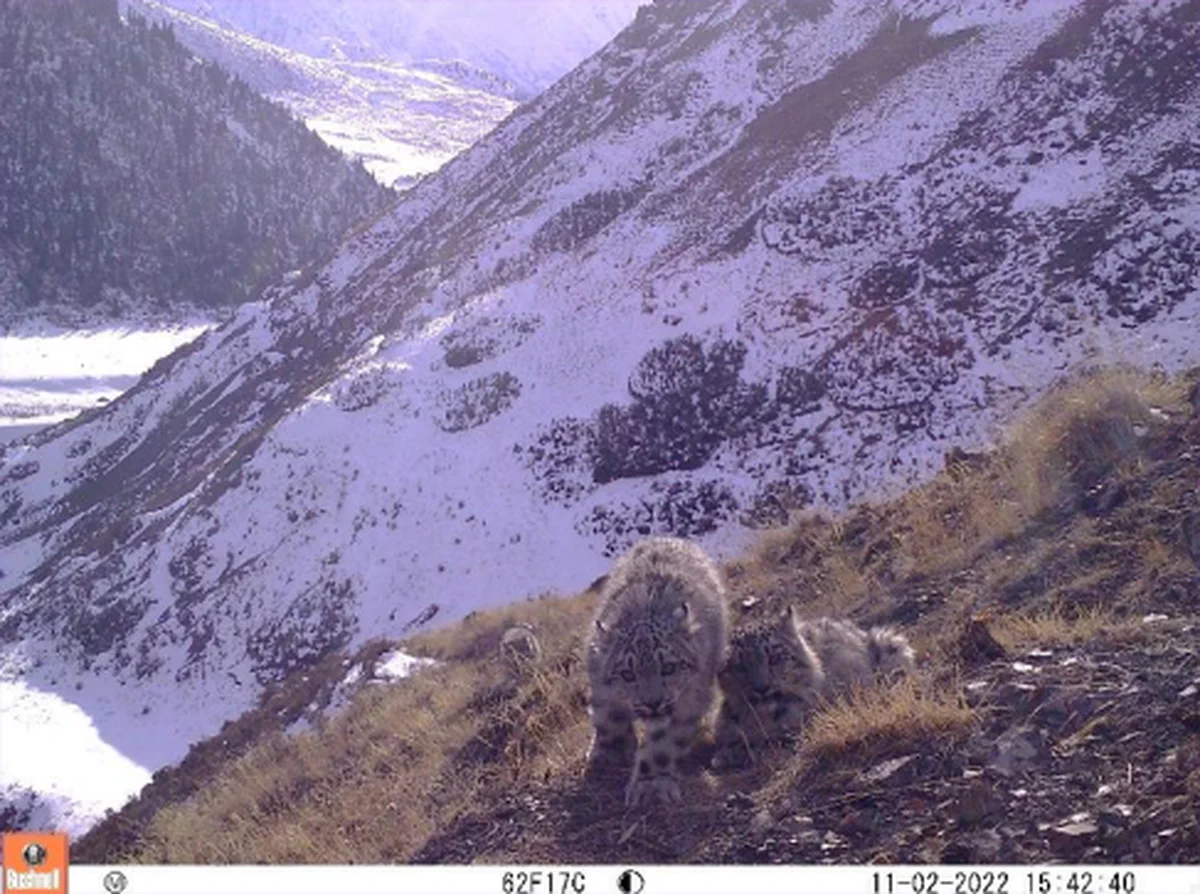
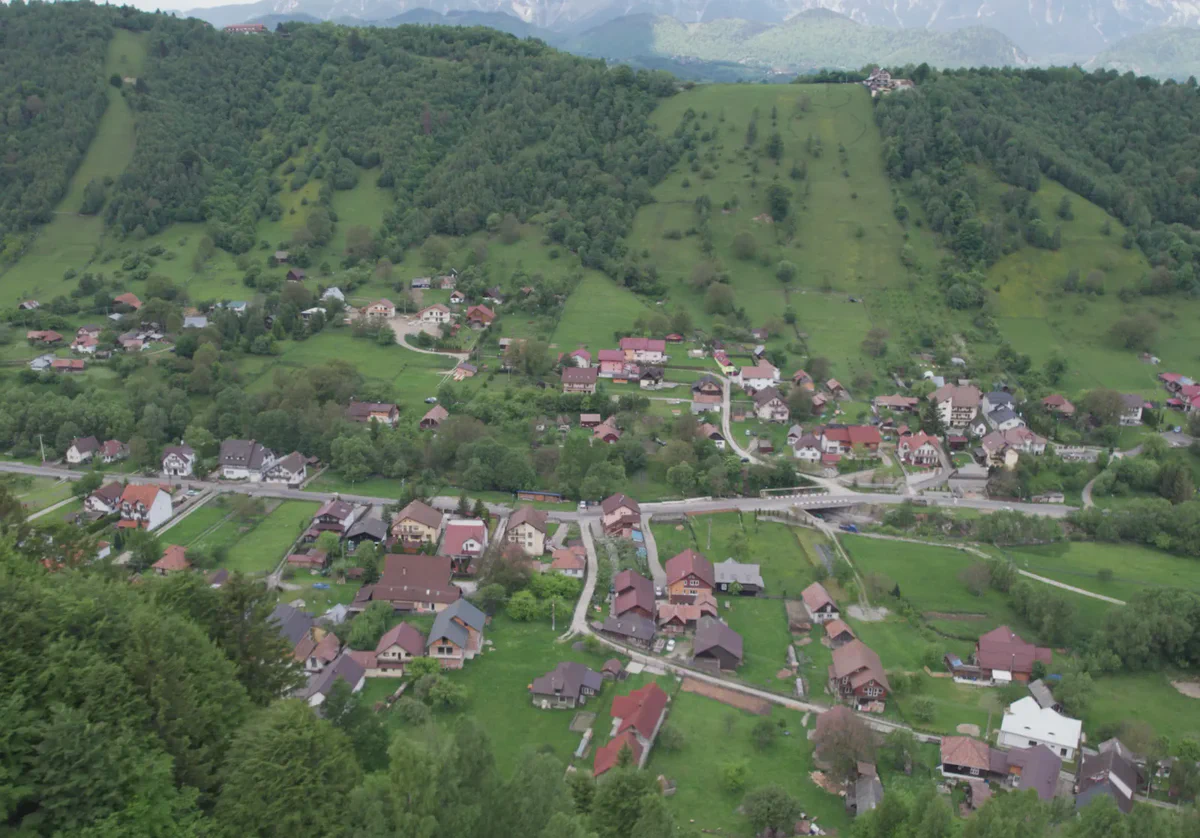
High mountains are where the large carnivores still have room. Snow leopards hunt the alpine zones of Central Asia between 3,000 and 4,500 m,3 and the Carpathians, 1,500 km long, hold Europe’s largest populations of brown bears, wolves and lynx.2
Mountain environments are especially sensitive to climate change and are changing faster than at any time in the last 10,000 years, with glaciers shrinking and landslides becoming more frequent.1
Our snow leopard monitoring recognises individual cats from camera-trap photos in Kyrgyzstan, and our bear deterrence project helps bears and Carpathian farmers share the same valleys.
Non-invasive snow leopard monitoring using computer vision analysis of camera trap photos to identify individual animals.
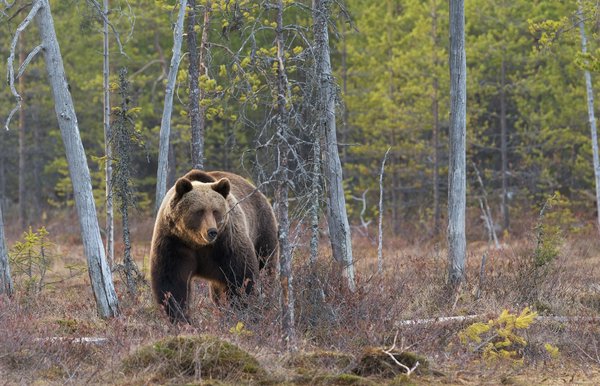
Utilizing low-power technology to detect and deter bears from encroaching on Romanian farms.
Identifying individual snow leopards by their coat patterns to support conservation across Central Asia.
Every project here was built hand in hand with conservation partners, and much of the code is open source. If our work fits a challenge you're facing, or you'd like to build something together, we'd love to hear from you.