


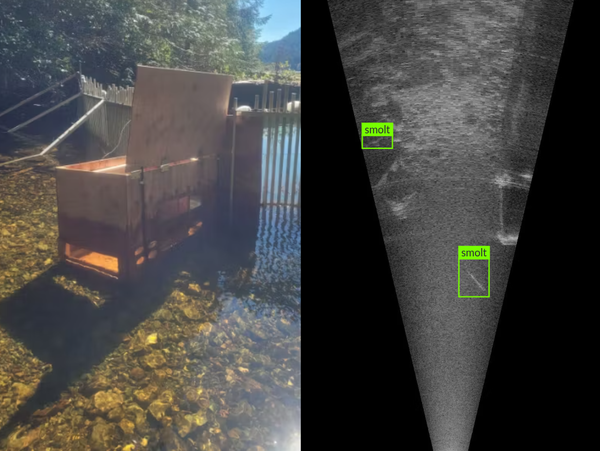
Monitoring Smolt Salmon Migration with Sonar
An innovative use of sonar imagery to monitor and analyze the migration patterns of smolt salmon as they journey from freshwater to the ocean
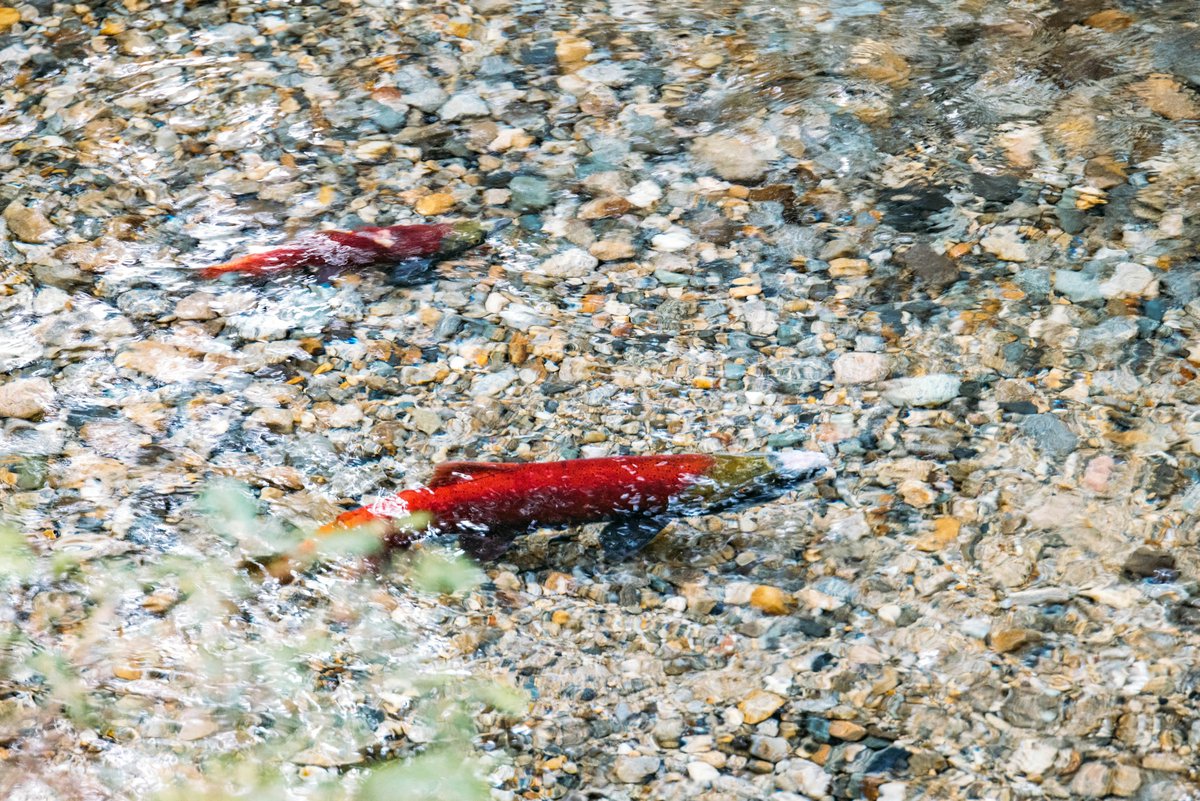
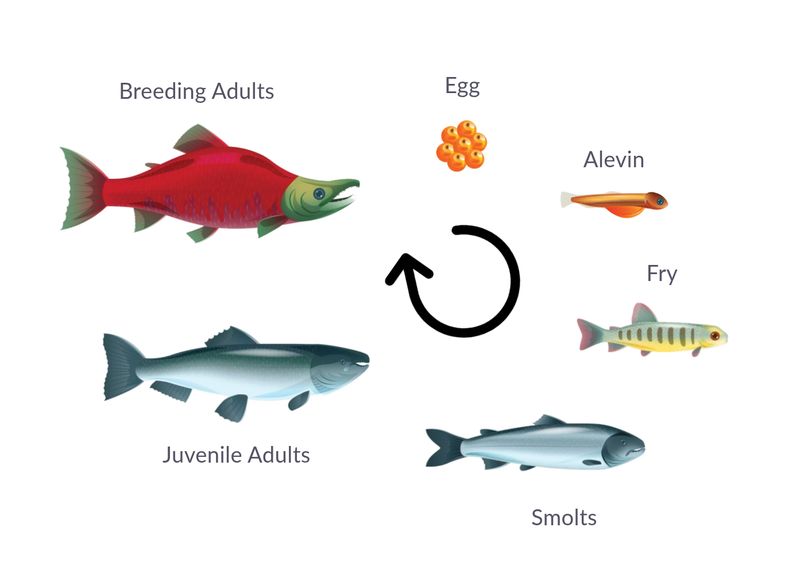
Pacific salmon hatch in cold North Pacific rivers, grow up at sea, and come back to the stream they were born in to spawn.1 2 Chinook, Coho, Sockeye, Pink and Chum spawn once and die; Steelhead, the sea-run form of rainbow trout, can survive to spawn again.1 These are the six our models tell apart.
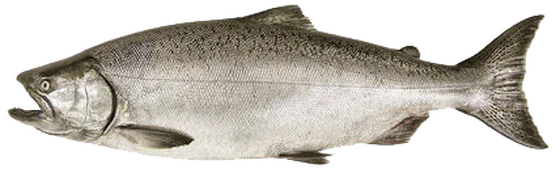
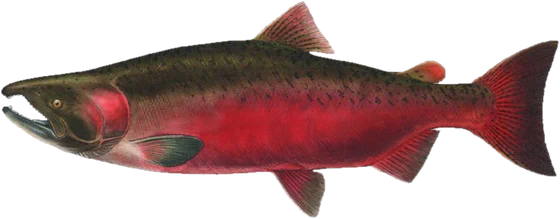
The largest Pacific salmon and the prized “king” of the runs, typically around 30 lb but capable of topping 100 lb, and 40–60 inches long.
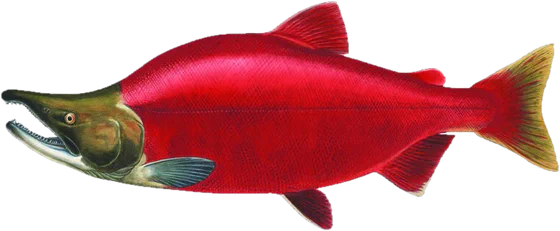
Slim, streamlined and brilliantly coloured. Culturally vital to many First Nations; matures around age four at 5–12 lb and 20–28 inches.
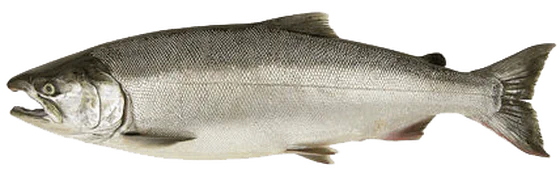
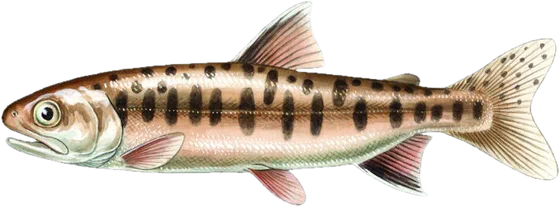
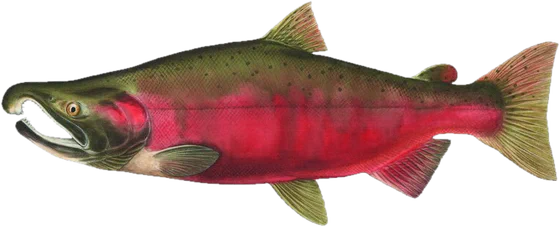
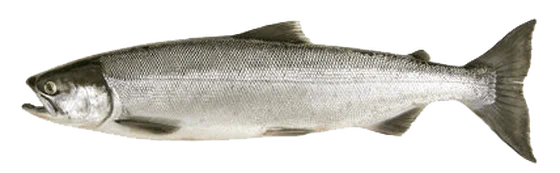
A highly adaptable “silver” salmon found in rivers and streams across North America. Usually 8–12 lb and 18–24 inches long.
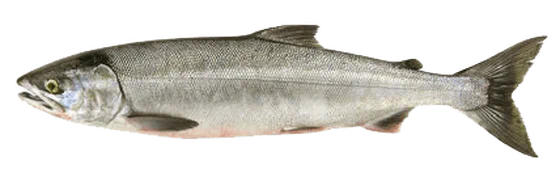
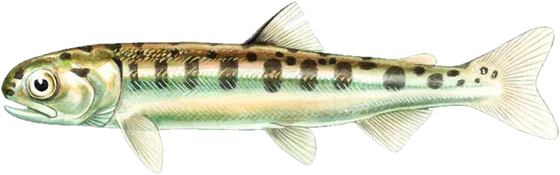
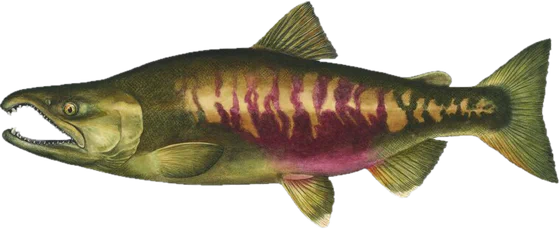
The second-largest Pacific salmon after Chinook. Typically 12–15 lb and 35–45 inches long.
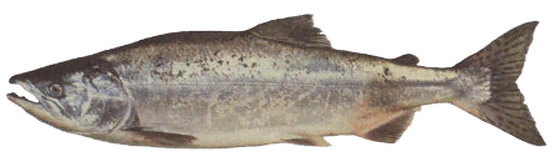
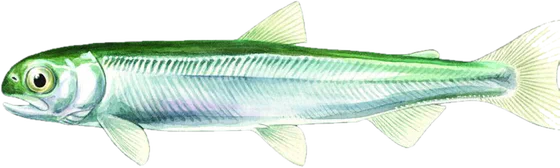
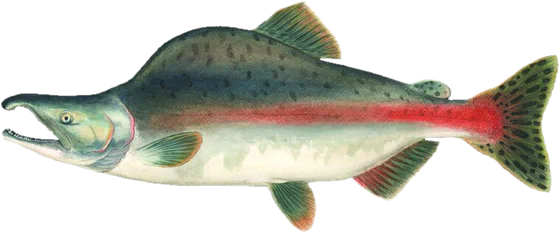
The smallest and most abundant Pacific salmon in BC, and the least vulnerable to extinction. Usually 3–11 lb and 18–24 inches.
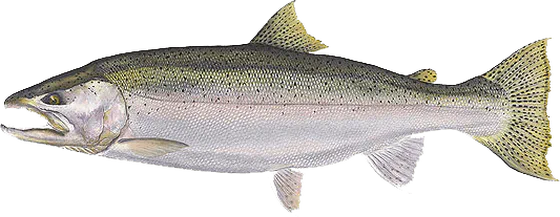
Sea-run rainbow trout that, unlike other Pacific salmon, can spawn more than once. Most are 8–20 lb, though some top 30 lb and 45 inches.
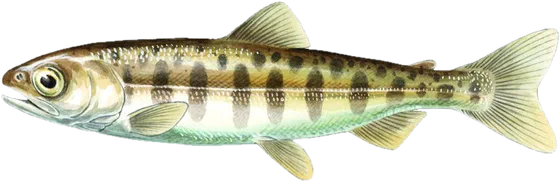
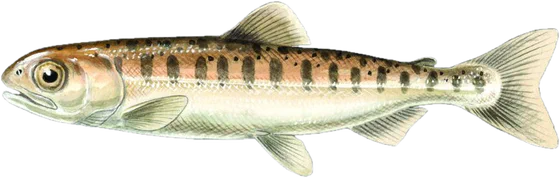
Juvenile and spawning salmon illustrations by Kate Spencer, from the Atlas of Pacific Salmon, courtesy of Wild Salmon Center.
In the Pacific Northwest and Alaska, salmon are a keystone species.2 Each run carries the ocean upstream: spawned-out fish sink into shallow, nutrient-poor streams and feed them as they break down, and bears hauling salmon into the forest leave behind up to 24% of the nitrogen in riverside woodland, traced in spruce needles 500 m from the water.2
Wild runs have been hit by overfishing, habitat loss, dams, competition with hatchery fish and a warming ocean.1 Knowing how many fish actually make it back each year is the first thing managers need, and the hardest to get by hand.
With SalmonVision, underwater cameras, sonar and drones feed models that count and classify salmon as they move upstream, so river teams can follow a run in near real time. Our smolt sonar work follows the young fish on their way out to sea.
An innovative use of sonar imagery to monitor and analyze the migration patterns of smolt salmon as they journey from freshwater to the ocean
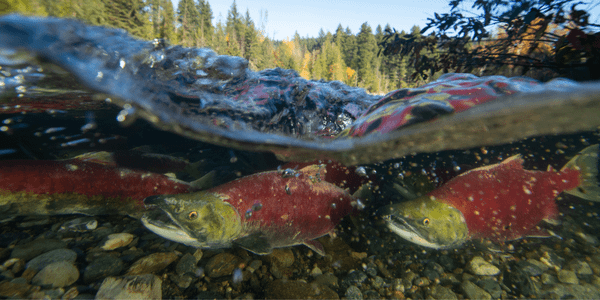
The project monitors wild salmon migration to ensure the number passing through meets state regulations, addressing threats from human activities like fisheries and dams.
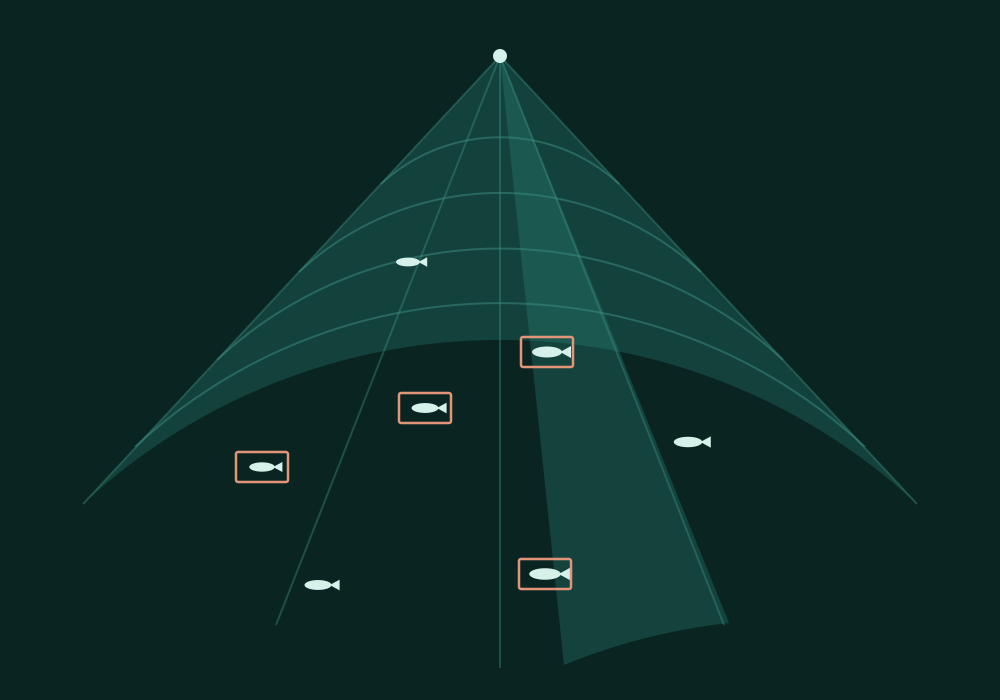
Detecting, tracking and counting juvenile salmon in ARIS sonar as they migrate downstream.
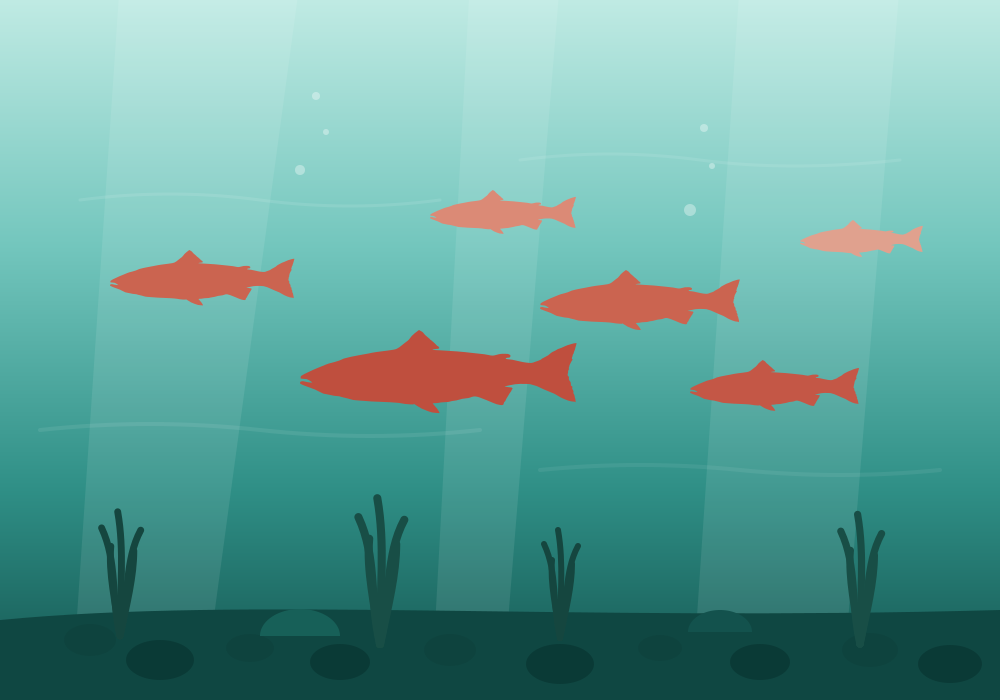
Classifying and counting wild salmon from underwater camera streams as they migrate back to spawn.

Underwater cameras, sonar and drones combined with innovative AI technology to enable precise and automated salmon counting in rivers.
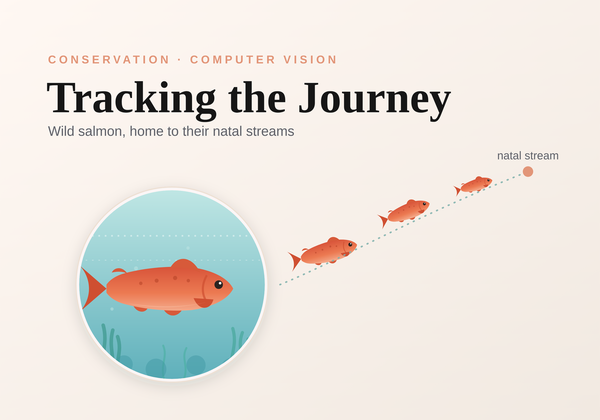
An in-depth look at the systems developed and deployed to track the journey of wild salmon as they return to their natal streams.
Every project here was built hand in hand with conservation partners, and much of the code is open source. If our work fits a challenge you're facing, or you'd like to build something together, we'd love to hear from you.